
REVIEW · WHALE & ORCA WATCHING
Húsavík: Whale Museum Entry Ticket
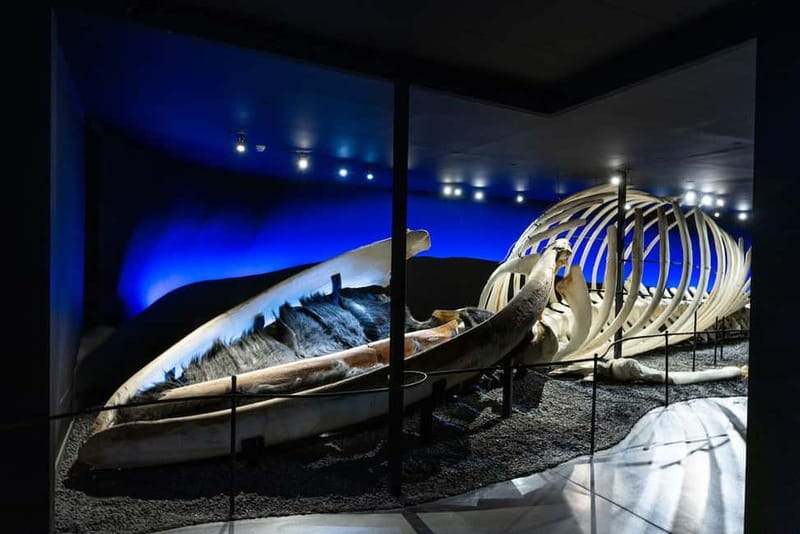
One look at the whale bones and you get it. The Húsavík Whale Museum turns whale watching into something you can actually study, with 13 real whale skeletons and a layout made for wandering at your own pace. I especially like how the exhibits connect what whales do in the ocean to what you see in the museum, so the biology feels practical, not just decorative.
My second favorite part is the way the museum links whale life to Iceland’s own past, including the history of whaling in Iceland. One thing to consider before you go: the entrance and first floor are wheelchair accessible, but the second floor is not.
In This Review
- Key things to notice before you go
- Why Húsavík Whale Museum makes sense in northern Iceland
- Price and value: what $21 actually buys you
- Your museum game plan: using the 8 exhibition spaces wisely
- The 13 real whale skeletons: what’s worth your attention
- Whale senses, behavior, and mating patterns, explained in museum form
- Icelandic whaling history: learning without turning it into a lecture
- Conservation-minded extras: souvenirs that support the mission
- Accessibility and planning your route inside the museum
- How long you need and the best way to time your visit
- Who this museum ticket suits best
- Should you book? My practical decision guide
- FAQ
- How much is the Húsavík Whale Museum ticket?
- How long is the experience?
- What does the ticket include?
- How many whale skeletons will I see?
- How many exhibition spaces are there?
- What language is available?
- Is there free cancellation?
- Is there a pay later option?
- Is the museum wheelchair accessible?
- FAQ
- Do I need to choose a specific time?
Key things to notice before you go
- 13 real whale skeletons give you a rare, hands-on view of how whale bodies are built
- 8 exhibition spaces make it easy to pace yourself instead of doing one long room
- Permanent exhibit sections cover evolution, sensory perception, behavior, and mating patterns
- Atlantic Ocean species info helps you place what you might spot in northern waters
- Conservation support is built into the museum experience, including a souvenir shop
Why Húsavík Whale Museum makes sense in northern Iceland
Húsavík is one of the most visitor-friendly places in the far north, and this museum fits right into that vibe. It is an indoor stop that feels tied to the real ocean outside, not like a random break from the weather. Even if you already plan whale watching, this ticket helps you make sense of what you might see later. If you do not get out on the water, the museum still delivers a full whale education without needing perfect conditions.
I like experiences that respect your time and your attention span. This one does that with a clear museum flow and multiple exhibition spaces, so you can stop, read, and look longer where you want. The price is also straightforward for what you get: you pay about $21 per person and, with one admission, you can access all exhibition spaces for your visit day.
And yes, the skeletons are the star attraction. One review called them impressive, and that tracks with what you’ll feel when you’re standing close. Whale skeletons have a way of shrinking the mystery. Suddenly, whales are not just “big animals,” they are living systems with shapes that match their feeding, movement, and survival.
Price and value: what $21 actually buys you
At $21 per person, this is not a budget museum, but it is also not priced like a tourist trap. You get entry to the Húsavík Whale Museum and access to all exhibition spaces, which matters because it turns the visit into a “see what you came for” situation. You are not nickel-and-dimed into sections.
The other value angle is mental. For whales, the hard part is understanding. Size alone does not explain behavior or adaptations. The museum’s exhibits are organized so you can connect the dots: evolution, sensory perception, behavior, and mating patterns. If you enjoy learning while you travel, this is a solid use of a day in Iceland’s north.
Time is also in your favor. The ticket is valid for one day, so you can aim for a calm visit rather than rushing. If your day includes weather changes, having an indoor anchor that still feels meaningful is a genuine win.
More Whale Watching in North Iceland
- Akureyri: 3-Hour Classic Whale Watching Tour by Ship★ 4.6 · 3,000 reviews
- Húsavík: Whale Watching Tour with Guide★ 4.6 · 2,761 reviews
- Húsavík: Traditional Whale Watching Tour★ 4.6 · 2,115 reviews
Your museum game plan: using the 8 exhibition spaces wisely
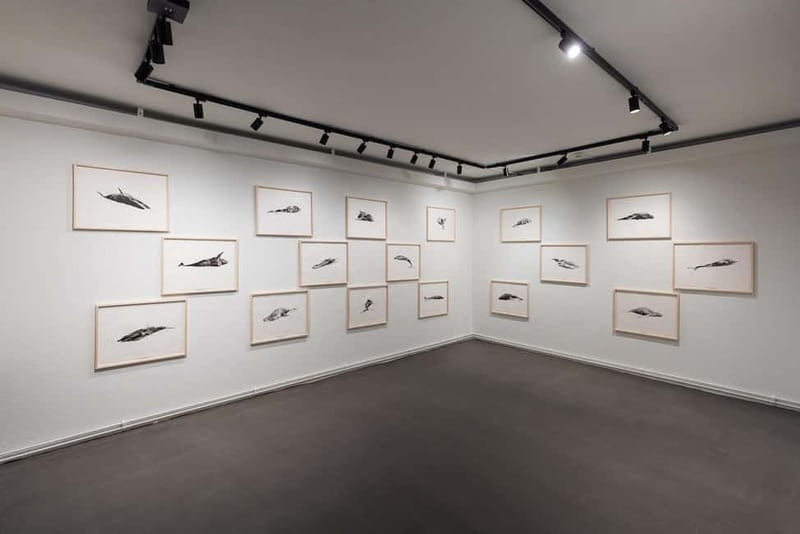
The museum experience is spread across 8 exhibition spaces, and that is a smart design choice. Instead of forcing you to absorb everything in a single big room, the layout gives you natural breaks. That makes it easier to move from overview topics into more specific whale details without fatigue.
Here’s how I suggest you approach it so you get more from each area:
First, start with the sections that build the big picture. The permanent exhibit is organized around the evolutionary history of whales, then it moves into the way whales sense the world and how they behave. When you do this in order, you’ll notice how later sections make earlier ones make more sense.
Second, look for the practical “species framing” sections. The museum includes detailed information about the main whale species found in the Atlantic Ocean. If you’re planning to watch whales around Iceland, that context is useful, because you can match what you learn to what you might encounter outside.
Finally, give yourself time for the skeleton displays as its own stop. Do not treat them like a quick photo checkpoint. Skeletons read differently when you slow down and study them. You’ll likely return to them again as you learn more.
The 13 real whale skeletons: what’s worth your attention
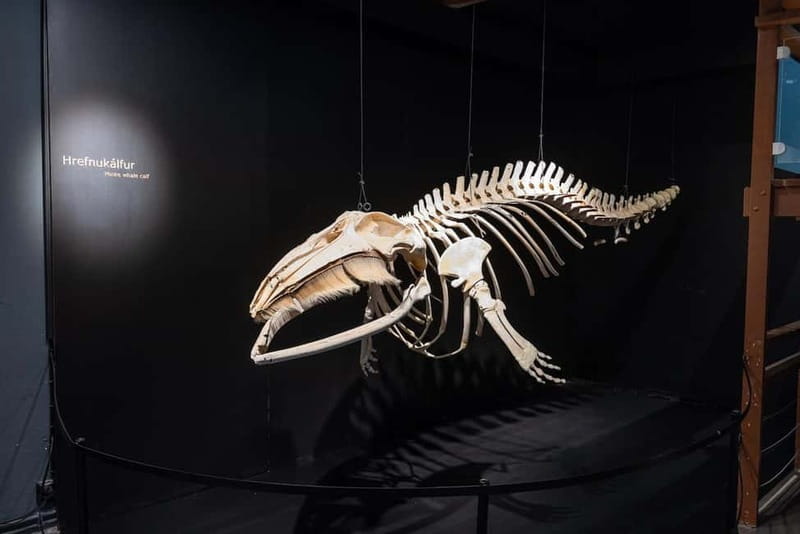
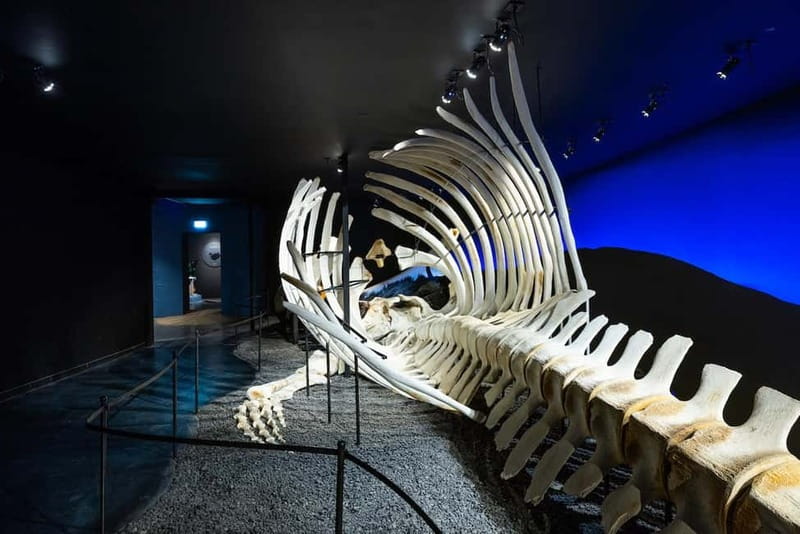
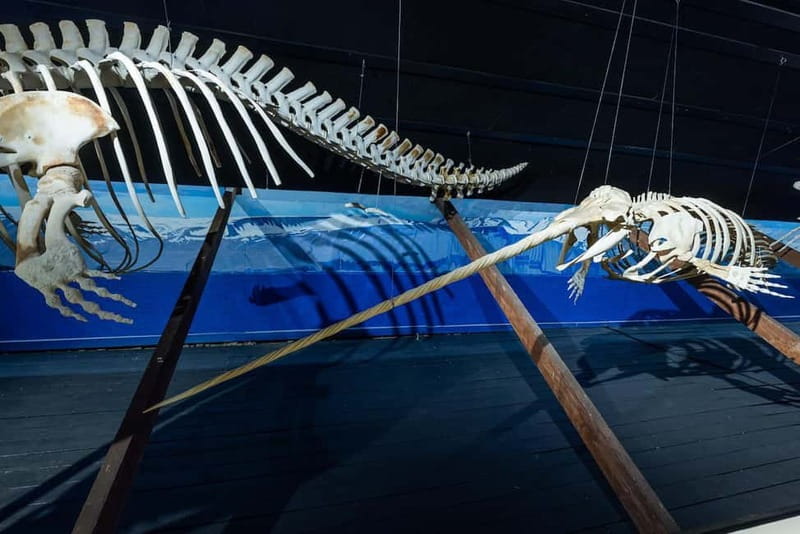
If the museum has one undeniable highlight, it is the 13 real whale skeletons. Seeing them in real life is the difference between a vague idea and a clear one. Skeletons show you the engineering behind movement and feeding, and you can look at form without the animal moving or turning away.
What to look for while you’re there:
- Overall body structure: pay attention to proportions and how the spine and rib areas are arranged
- Skull and jaw shapes: they often connect directly to feeding strategies and sensory needs
- Size cues: even without a ruler, you can compare lengths and thickness, which helps you visualize scale
- Spacing and arrangement: the museum’s display choices guide you toward specific “compare and understand” moments
One review simply summed it up as impressive, and I get why. Whale bones have a quiet power. They feel less like a spectacle and more like evidence. If you’re the type who likes facts you can see, you’ll enjoy standing there longer than you planned.
The skeletons also work as a memory hook. Later in the visit, when you read about sensory perception and behavior, you’ll remember what the bodies look like. That makes the learning stick.
Whale senses, behavior, and mating patterns, explained in museum form
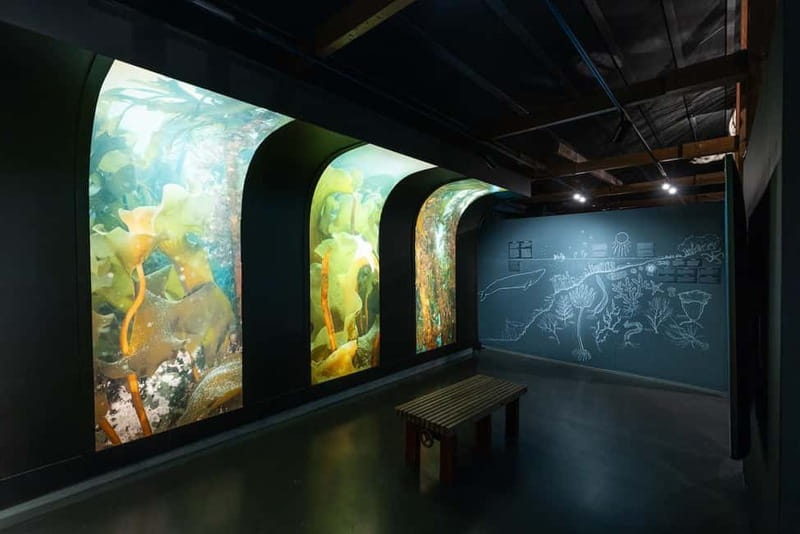
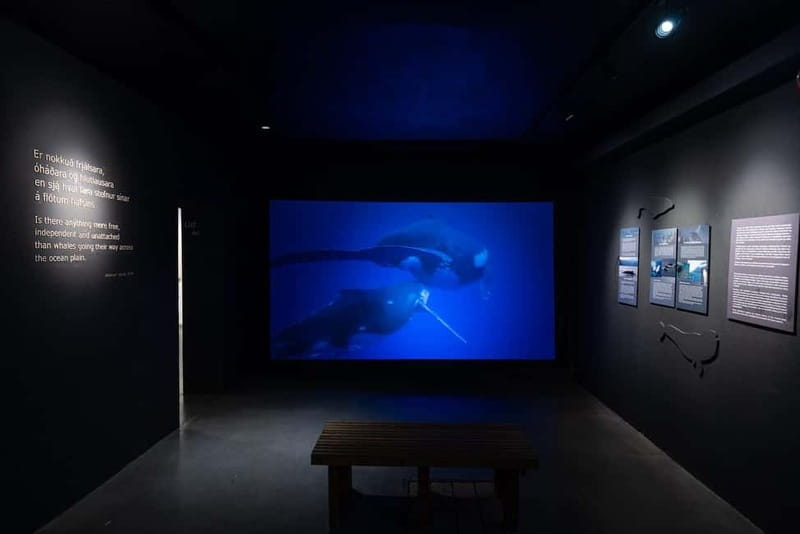
This is where the museum goes beyond spectacle. The permanent exhibit is organized into sections that cover the evolutionary history of whales, their sensory perceptions, their behaviors, and their mating patterns. That structure is helpful because it keeps the story coherent.
Sensory perception is a great example of why a museum helps. You can learn that whales rely on senses in ways that do not match human expectations. Then, when you look back at the skeletons, you understand why their bodies are built to support those needs. This is the kind of learning that feels grounded, not abstract.
Behavior and mating patterns are also shown as parts of a larger life system. Whales are not just moving through water, they are communicating, feeding, reproducing, and adapting. The museum’s organization makes it easier to see those categories as connected.
If you like traveling with a “slow brain” day, this section is ideal. You can take breaks, read calmly, and let each exhibit answer a question you didn’t know you had. If you prefer quick stops, you can still manage it, but you’ll get the most if you let yourself linger in areas that match your interests.
More blows spotted from the rail:




Icelandic whaling history: learning without turning it into a lecture
The museum includes the history of whaling in Iceland, which adds context to why whale conservation matters here. This is not just a general timeline. It helps you connect Iceland’s relationship with whales to present-day efforts to understand and protect them.
For me, this part changes how the rest of the museum lands. Without it, whales can feel like wildlife you admire from a distance. With this history included, you start thinking about impact, knowledge, and responsibility. The museum also frames the visit around stewardship, not just education.
If you’re visiting Húsavík because you want meaningful experiences, this section pulls its weight. It makes the museum feel connected to the place instead of floating in a generic ocean theme.
Conservation-minded extras: souvenirs that support the mission
After you’ve done the heavy reading and skeleton staring, you’ll likely want a small takeaway. The museum has a souvenir shop, and the experience includes an explicit conservation angle: purchasing a souvenir supports the museum’s conservation efforts.
That matters more than you might think. Souvenirs can be just clutter, but here the museum gives you a reason to buy that is aligned with the message you learned inside. If you want a practical memory from the day, this is a way to support what you just experienced without turning it into a random purchase.
Accessibility and planning your route inside the museum
If you need wheelchair access, plan around the building layout. The entrance, the souvenir shop, and the first floor are wheelchair accessible. The second floor is not accessible by wheelchair.
What I recommend in real terms:
- Aim to spend your time on exhibits that are on the first floor and the accessible areas
- If someone in your group uses a wheelchair, set expectations ahead of time about the second floor
You’ll still get value from the museum without needing the upper level, especially because the key highlights include exhibits and the skeleton experience that visitors can access in the grounded parts of the museum.
How long you need and the best way to time your visit
This ticket is valid for one day, so you can choose a time that matches your energy and weather. The museum experience is ideal when you want to slow down, because the exhibits are designed for reading and looking.
I would plan for a meaningful chunk of the day rather than treating it as a quick stop. Even if you skim less, the skeletons alone reward time. Then add the permanent exhibit sections on evolution, senses, behavior, and mating patterns. Those topics take a little attention, and it’s better to give them it.
If your day is weather-dependent, this is a smart anchor. You can still enjoy Húsavík and know you have a full experience waiting indoors.
Who this museum ticket suits best
This is a strong fit if you:
- Like hands-on learning, not just scenic viewing
- Want a clear explanation of whale biology and behavior
- Enjoy museums that connect to the local context, including Iceland’s whaling history
- Want to make sense of the whales you might see in the Atlantic region
It is also a good option for families, as long as you have kids who can handle basic science topics. The museum is education-focused, so it works best when you expect to read a bit.
If you hate reading and prefer only quick photo stops, you might find it more demanding than a pure “look and leave” attraction. The upside is that the skeletons do a lot of the work for you visually.
Should you book? My practical decision guide
Book this ticket if you want one high-value indoor experience in Húsavík that teaches you real whale biology. At $21, the museum earns its cost by bundling access to all exhibition spaces into one admission and by putting the 13 real whale skeletons front and center.
I would skip it only if you’re traveling purely for outdoors photo moments and you already feel burned out on learning-heavy activities. Otherwise, this is exactly the kind of stop that makes a northern Iceland trip more than weather and scenery. You’ll walk out seeing whales as animals with systems, senses, and behaviors tied to their bodies, not just large shapes in the ocean.
FAQ
How much is the Húsavík Whale Museum ticket?
The entry ticket is listed at $21 per person.
How long is the experience?
It is described as valid for 1 day.
What does the ticket include?
Your ticket includes entrance to the Húsavík Whale Museum and access to all exhibition spaces.
How many whale skeletons will I see?
The museum has 13 real whale skeletons on display.
How many exhibition spaces are there?
The museum offers 8 exhibition spaces.
What language is available?
The host or greeter is English, and the languages listed include English.
Is there free cancellation?
Yes, you can cancel up to 24 hours in advance for a full refund.
Is there a pay later option?
Yes, you can reserve now and pay later.
Is the museum wheelchair accessible?
The entrance, souvenir shop, and first floor are wheelchair accessible. The second floor is not accessible by wheelchair.
FAQ
Do I need to choose a specific time?
The ticket is valid for 1 day, and you should check availability to see starting times.
Indoor Hours Well Spent
- Reykjavík: Hop-On Hop-Off Bus and Perlan Museum Entry Ticket
★ 4.3 · 719 reviews - Reykjavik: Whales of Iceland Museum Entrance Ticket
★ 4.4 · 493 reviews - Reykjavík: National Museum of Iceland Entry Ticket
★ 4.4 · 432 reviews - Aurora Reykjavík, The Northern Lights Center Museum Visit
★ 4.5 · 327 reviews
Fresh on the forecast for North Iceland
- East Glacial River Extreme Rafting
★ 4.1 · 7 reviews - Lake Myvatn Private Day Tour Mývatn, Godafoss Waterfall for Cruise Ships
★ 5.0 · 8 reviews - Boat Tours from Siglufjörður
★ 5.0 · 8 reviews - Express Whale Watching in Dalvik
★ 5.0 · 8 reviews - Lake Myvatn and Godafoss Waterfall for Cruise Ships from Husavik
★ 4.5 · 8 reviews - Goðafoss and Akureyri Botanic Garden Shared Shore Excursion
★ 4.5 · 8 reviews - West Glacial River Family Rafting
★ 5.0 · 9 reviews
Whale & Orca Watching, compared.



Whale Watching Cruise on the Amelia Rose Yacht
Read our review →
The Original Classic Whale Watching from Reykjavik
Read our review →

Whale Watching – Family Run with Indoor Seats
Read our review →Browse the lists this tour appears in