
REVIEW · WHALE & ORCA WATCHING
Húsavík: Big Whales and Puffin Island Speedboat Tour
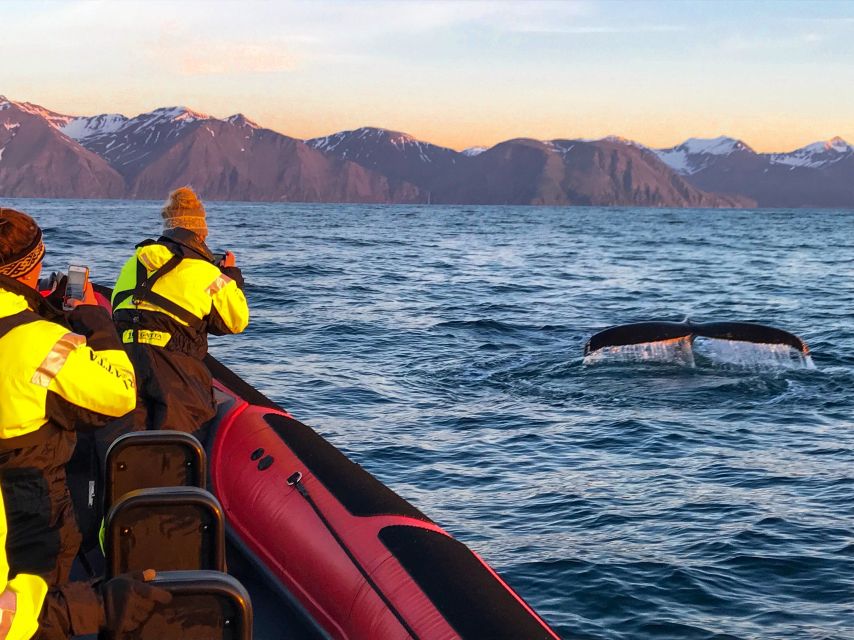
Cold water, big whales, and fast speed. This Húsavík RIB speedboat tour is built for close encounters in Skjálfandi Bay, where more than 10 marine species visit each year. I love the way the small group setup keeps your sightlines clear, and I also like that Lundey, or Puffin Island, turns the trip into a double treat when puffins are in town.
The second big win is the access you get. When whales surface, the captain can get you there quickly, and you are not stuck waiting for a big ship to reposition. One drawback to plan for up front: it can be cold and wet, so your comfort depends heavily on what you bring (plus how well you layer under the provided overalls).
In This Review
- Key highlights at a glance
- Why Húsavík is the place for big whales and quick chases
- The RIB speedboat difference: more than just going fast
- Gear that keeps the adventure fun, not miserable
- From Húsavík to Skjálfandi Bay: safety first, then the hunt
- Lundey Island (Puffin Island) when the birds are in season
- Tjörnes peninsula and fossil layers you do not expect on a whale tour
- How close you get to whales, and what “close” really means
- Price and value: does $198 for 2 hours make sense?
- Who should book this tour, and who should skip it
- Should you book the Húsavík big whales and Puffin Island speedboat tour?
- FAQ
- How long is the tour?
- Where do I meet for the tour?
- Is Puffin Island included year-round?
- What animals might I see?
- What is included in the price?
- What should I bring with me?
- What age limits apply?
- What if the trip is canceled due to weather or low passenger numbers?
Key highlights at a glance
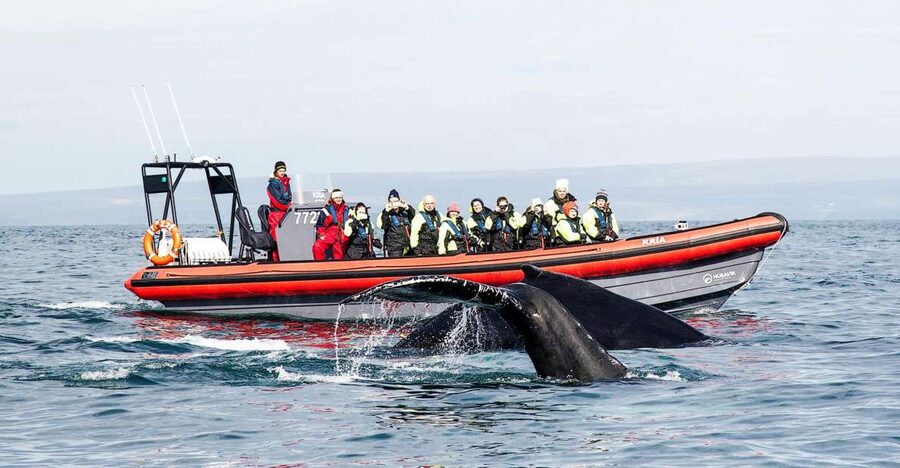
- Small group RIB ride: up to 12 passengers, so the best viewing spots feel realistic.
- Skjálfandi Bay wildlife focus: humpback whales, minke whales, white-beaked dolphins, porpoises, and more.
- Lundey, aka Puffin Island (seasonal): photo stop and guided viewing during puffin season.
- Warm water-resistant overalls included: Iceland law requires them on this kind of boat outing.
- Real-time spotting by professionals: a guided approach with a captain focused on where the animals are acting.
Why Húsavík is the place for big whales and quick chases
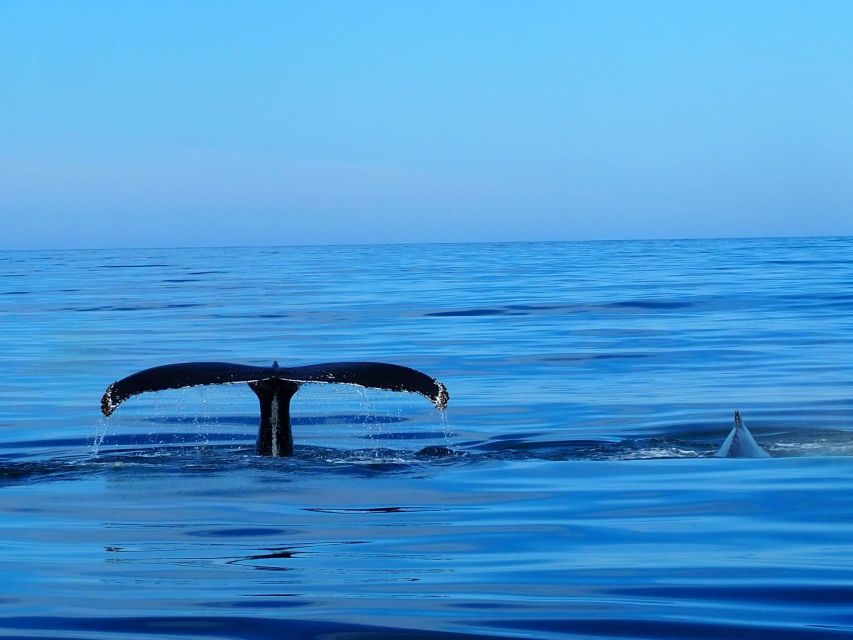
Skjálfandi Bay has a reputation for showing up for whale watchers, and it makes sense once you understand the location. This is prime northeastern Iceland sea country, and the tour is specifically timed and routed around areas where many species consistently appear. You are not just “going to look,” you are going where the whales and dolphins tend to be.
The tour’s wildlife list gives you a good idea of what to expect. You can see humpback whales, minke whales, white-beaked dolphins, and porpoises, and the area can host more than 10 species annually. Even if you only connect with a couple of them, that still feels like a win because the goal is repeated chances, not one long wait.
I also like that the tour frames the experience around behavior, not checklists. You learn what the guide expects you to watch for, then you get to see how fast the captain adjusts when the sea changes. That mix of science talk and quick motion is part of why the outing feels like an adventure instead of a sightseeing shuffle.
The RIB speedboat difference: more than just going fast
The boat is a rigid inflatable boat, a RIB, and the whole format is built around agility. On a traditional larger vessel, everyone watches and waits while the ship turns. With this setup, the captain can cover distance fast and reach whale locations quickly after sightings.
That matters because whale watching is all about timing. Animals surface, feed, and move, sometimes on short schedules. When you are able to chase the moment, you get more “view time,” not just more time on the water. Many guides and captains are proud of how close they can get while still giving the animals space, and you feel that emphasis in how the boat positions.
You also get a more personal experience because the passenger count stays small, 12 seats or fewer. That means you are not pressed shoulder-to-shoulder. It is easier to keep your camera steady, and it is easier for the guide to give attention in real time when people have questions.
There is a trade-off. A speedboat can be choppy, and you will feel the motion more than on a large, stable ship. If you are sensitive to seasickness, plan layers carefully and consider bringing your own anti-nausea medication even if it is not included.
More Whale Watching in North Iceland
- Akureyri: 3-Hour Classic Whale Watching Tour by Ship★ 4.6 · 3,000 reviews
- Húsavík: Whale Watching Tour with Guide★ 4.6 · 2,761 reviews
- Húsavík: Traditional Whale Watching Tour★ 4.6 · 2,115 reviews
Gear that keeps the adventure fun, not miserable
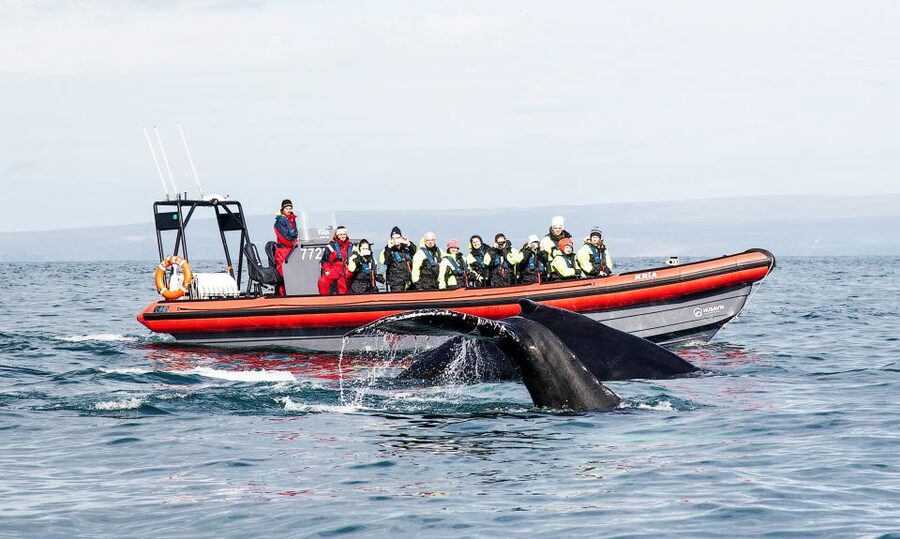
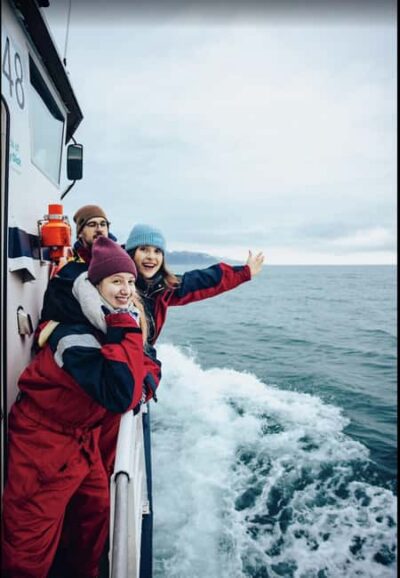
This tour gives you major comfort support: warm water-resistant overalls (required by Iceland law), plus a life vest. If rain is needed, you get a raincoat too. That is not a small detail. In cold conditions, the overalls help you stay warm enough to enjoy the ride instead of just surviving it.
Still, what you wear under matters. I recommend you bring warm layers beneath the overalls, especially for your core and legs. Gloves and a hat matter just as much as the overalls. The bay can be pretty cold, and your hands are often the first part to feel it.
Gloves and hats are not included. A few people also noted that freezing hands are a real issue, so treat this like a hands-first problem. If you forget your gloves, you might find the crew tries to help, but you should not plan on that. Bring them.
One practical tip: wear comfortable shoes you do not mind getting damp. A wet boat deck and a couple of moments of boarding and shifting can test footwear. Good grip helps too, because you will be moving in and out of small positions while you watch wildlife.
From Húsavík to Skjálfandi Bay: safety first, then the hunt
You meet at Hafnarstétt 11 at the Húsavík Adventures ticket office, about 30 minutes before departure. The early arrival matters because you want time for the safety briefing and to get dressed before the engine starts.
Once you are out on the water, the first part feels like a transition from land to sea. You head toward Skjálfandi Bay and get your first chance to spot wildlife. The guide’s job is to help you interpret what you are seeing. You learn what to look for, and the captain builds the route based on where animals are likely surfacing.
The timing is also important because whales do not stick around for long. The tour’s short total duration, 2 hours, can feel intense in a good way. It compresses the experience into a “go, find, connect” format, where the team tries to maximize your odds while still running the route safely.
If you are the type who likes structure, this is a nice match. You get safety guidance, then a clear plan for where you are going next. You are not left guessing what to do with your time, and you are less likely to miss a surface event because you know what the guide is tracking.
Lundey Island (Puffin Island) when the birds are in season
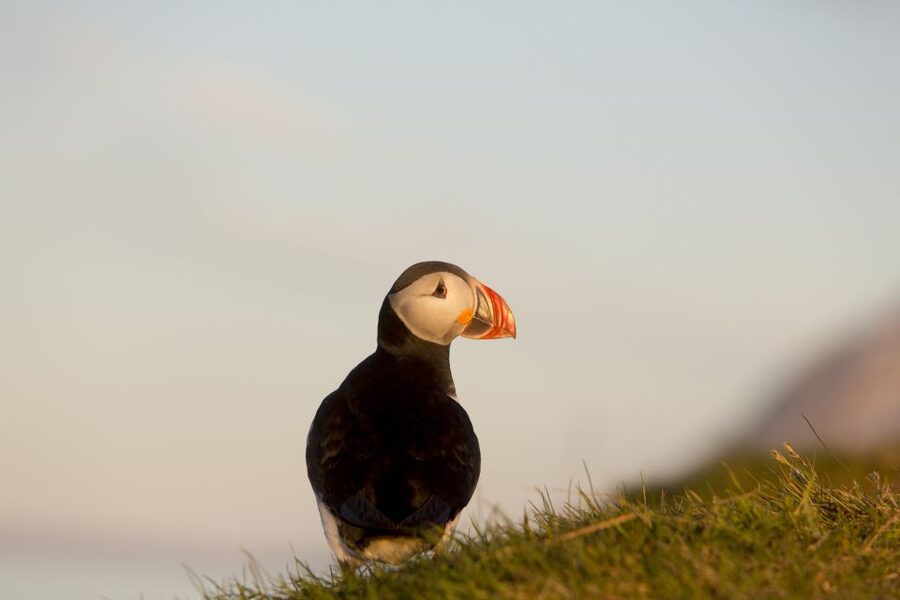
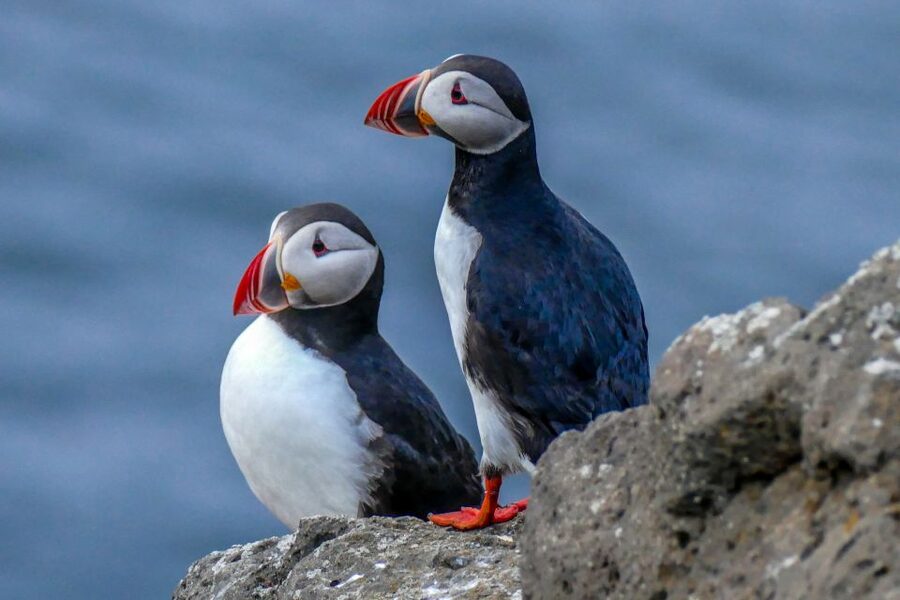
Puffins are the seasonal jackpot here. Puffin season runs roughly from April 15 through August 20. During that window, you visit Lundey Island, often called Puffin Island, and you get a photo stop plus a guided portion of the experience.
The fun part is that puffins are visual animals. You can watch them on the water, in the air, and around the island, and it is not hard to get great moments because the birds often move in obvious bursts. In the summer season, people commonly describe puffins like they are everywhere.
One thing to keep your expectations grounded: puffins are weather-sensitive, and conditions can change fast. If it is less than ideal, your viewing may still be worth it because the island stop is designed for spotting. But do not plan this like a guaranteed “thousands of birds” spectacle every single minute.
Outside the puffin season, this tour becomes big whale-focused only. That is still a good change of pace. You still get Skjálfandi Bay whale watching, and the schedule stays streamlined for the creatures that are most reliably present at that time of year.
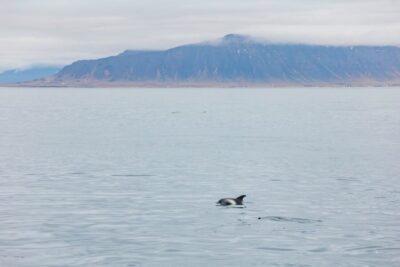
More blows spotted from the rail:
Tjörnes peninsula and fossil layers you do not expect on a whale tour
On the way, you also pass by the Tjörnes peninsula. The key fact to remember is that this area is known for fossil layers, including an ancient one dating back about two million years.
It is not a museum stop. You are not trekking for geologic samples. But it is a cool reminder that you are not just sailing in scenic water. You are moving through a coast that holds deep time marks in the rock.
This kind of detail is valuable because it gives the trip a sense of place. Whale watching can sometimes feel like a “floating wildlife moment,” but here you get a small nudge toward understanding why this coastline produces rich life. The same region that supports marine animals is also part of Iceland’s evolving story.
If you like learning in the middle of your adventure, this stop is a good fit. You get a quick sightseeing photo moment and a guided explanation without slowing the hunt.
How close you get to whales, and what “close” really means
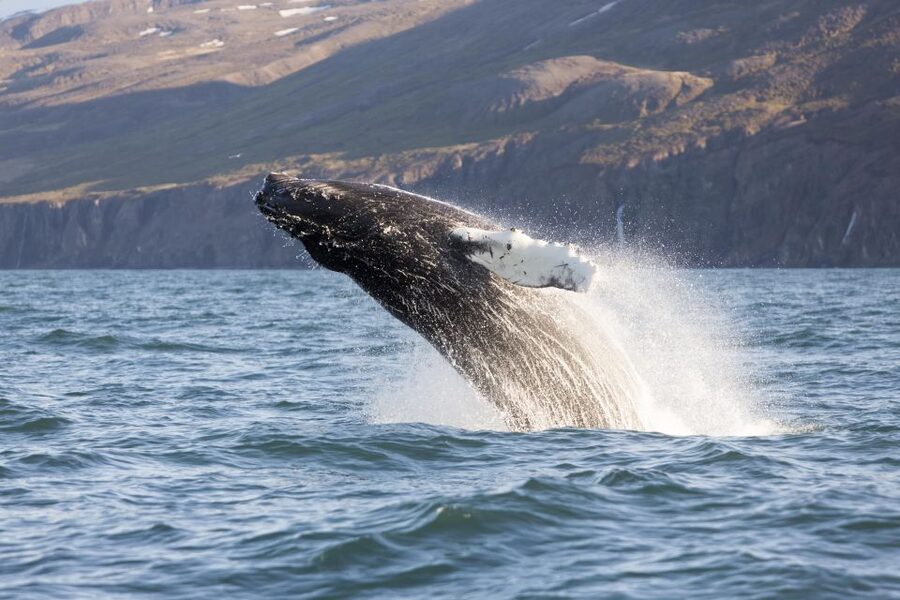
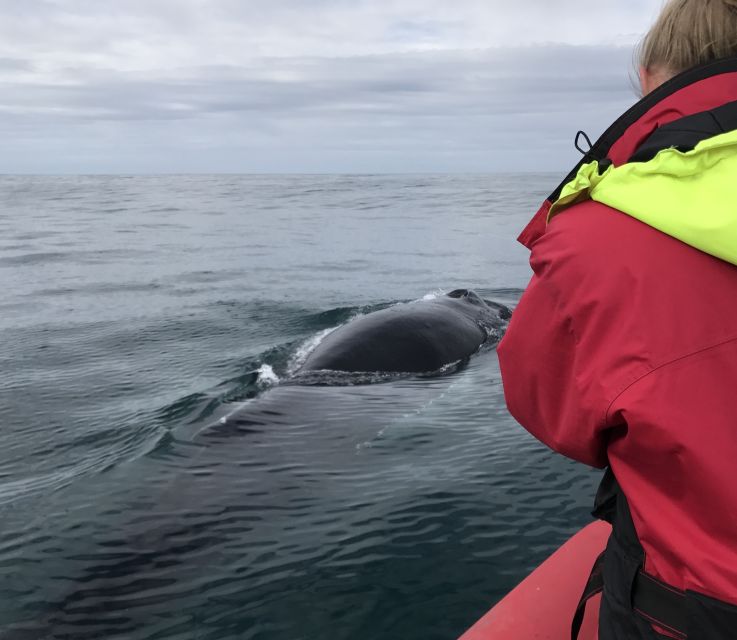
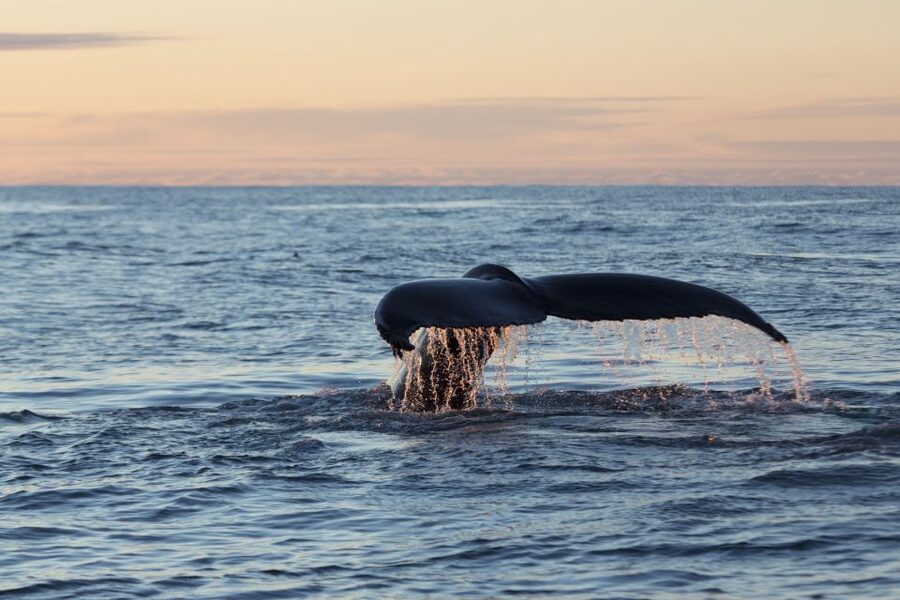
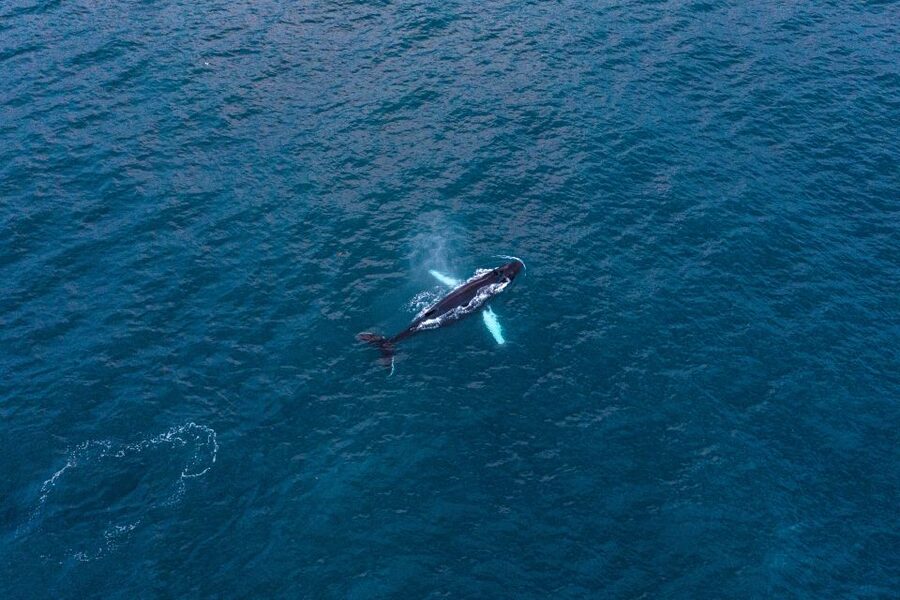
This is the heart of the tour. When the captain spots whales, you may get views from very near distances relative to typical boat tours. Many guides emphasize a whale-first approach: you aim for close observation while keeping the animals from having to change their routine because of your presence.
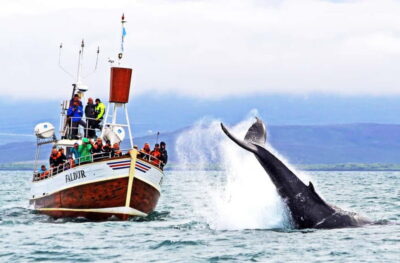
From what I see in the guide style highlighted, the best tours happen when the crew keeps reading the water. You are often watching the exact behavior of the whales, not just their existence. People frequently mention humpbacks, sometimes with interesting surface behavior like breaches or repeated surfacing close to the boat.
The RIB format is a big reason “close” is achievable. You can position quickly, and you can reposition if another whale surfaces nearby. That means you might see multiple individuals rather than one whale, one sighting, and then the rest of the time searching.
A few names you might hear from the crew, based on what people point out: Austin, Martin, Ignacio, Inaki, Zina, Alessandra, and other team members like captains who get mentioned for safe operations. Even when the specific captain differs, the common thread in the experience is a confident, whale-aware style of guiding.
Real talk: you are still on open ocean. Animals are free. Some trips are whale-heavy and some are more modest. The advantage here is that the tour is designed to shift quickly, so your odds stay strong even when the sea changes its mind.
Price and value: does $198 for 2 hours make sense?
At about $198 per person for a 2-hour outing, this is not a cheap add-on. But the price makes sense when you weigh what you are buying: a small-group RIB experience, guided spotting and interpretation, provided safety gear, and a route that targets both whales and (during season) puffins.
You are paying for efficiency. This is one of those tours where the format matters more than the length. A 2-hour window is short, but the speed and small passenger load mean you are not wasting time. When you find wildlife, you are more likely to get time with it.
You also get tangible comfort value. Warm water-resistant overalls and life vests are included, and that reduces your gear stress. Add in the expert guide who can help you recognize species and interpret whale behavior, and the experience becomes about more than just seeing something big.
If you compare this to larger boat options, the key value difference is how quickly you can chase sightings. If that matters to you, this tour is a strong match. If you are mainly looking for a relaxed, cushioned ride with zero motion, you might prefer a larger vessel instead.
Who should book this tour, and who should skip it
This works best for people who want action, quick positioning, and the chance to get close to wildlife without turning it into a long day.
It is also a practical pick for families in the right age range. The minimum age onboard is 8 years old, or 130 centimeters in height. If your child is slightly under 130 cm, you are expected to check with the provider first. That is important for keeping the boat safe and the gear fit right.
It is not suitable for everyone. The tour is listed as not suitable for pregnant women, and it is not recommended for people with weak heart, bad back, epilepsy, or mobility issues. If any of those apply, contact the local partner before booking.
If you are size-flexible, this can be reassuring. One person highlighted that suit sizes go up to 8XL, which means fit is less of a concern than you might expect for a cold-weather boat tour.
If you are prone to motion sickness, you might still be okay because the ride is open and active, but do not treat that as guaranteed. The boat can be choppy. Bring your own plan for nausea if you need one, since seasickness pills are not included.
Should you book the Húsavík big whales and Puffin Island speedboat tour?
Book it if you want the best odds of a close encounter in a short time, and if you like fast, guided wildlife spotting rather than slow cruising. Puffin season adds extra value with Lundey Island, photo stops, and guided bird time, and even outside that window, the big whales plan stays strong.
Skip it if you hate cold, wet conditions or you have health limits like heart or major back issues, or if you are not comfortable with a more dynamic ride on a speedboat. Also skip it if you cannot manage layering and proper hand and head protection, because gloves and a hat are on you, not included.
If you can handle the elements, this is the kind of Iceland day you remember for years: cold air, sudden whale sightings, and a guide who helps you understand what you are actually looking at.
FAQ
How long is the tour?
The tour duration is 2 hours.
Where do I meet for the tour?
Meet at the Húsavík Adventures ticket office at Hafnarstétt 11. Plan to arrive about 30 minutes before departure.
Is Puffin Island included year-round?
No. Puffin season is approximately April 15 through August 20. Outside that window, the tour is big whales only.
What animals might I see?
The area is known for whales and other marine life, including humpback whales, minke whales, white-beaked dolphins, and porpoises. During puffin season, you visit Lundey Island for puffins.
What is included in the price?
Included are the guided tour on a 12-seat RIB boat, warm water-resistant overalls (compulsory by law), a raincoat if needed, and life vests.
What should I bring with me?
Bring comfortable shoes and warm clothing. Also bring a hat and gloves, since they are not included. Layers under the overalls help too.
What age limits apply?
The minimum age onboard is 8 years old or 130 centimeters in height. If your child is slightly under 130 cm, contact the provider for approval first.
What if the trip is canceled due to weather or low passenger numbers?
The provider can cancel departures due to bad weather or lack of passengers (minimum 4 per tour). If that happens, you will be notified in advance and offered an alternative departure or a full refund.
Cliffs in Nesting Season
- Húsavík: Whale-Watching Cruise and Puffins Guided Tour
★ 4.6 · 444 reviews - Original Big Whale Safari & Puffins Speedboat Tour from Húsavík
★ 5.0 · 417 reviews - Whale and Puffin Watching around Skjálfandi Bay from Husavik
★ 4.5 · 99 reviews - Whales and Puffins Tour from Husavik
★ 4.5 · 85 reviews
Fresh on the forecast for North Iceland
- East Glacial River Extreme Rafting
★ 4.1 · 7 reviews - Húsavík: Whale Museum Entry Ticket
★ 4.2 · 7 reviews - Lake Myvatn Private Day Tour Mývatn, Godafoss Waterfall for Cruise Ships
★ 5.0 · 8 reviews - Boat Tours from Siglufjörður
★ 5.0 · 8 reviews - Express Whale Watching in Dalvik
★ 5.0 · 8 reviews - Lake Myvatn and Godafoss Waterfall for Cruise Ships from Husavik
★ 4.5 · 8 reviews - Goðafoss and Akureyri Botanic Garden Shared Shore Excursion
★ 4.5 · 8 reviews
Whale & Orca Watching, compared.
Whale Watching Cruise on the Amelia Rose Yacht
Read our review →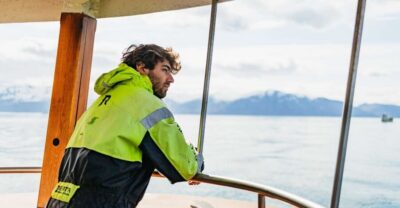
The Original Classic Whale Watching from Reykjavik
Read our review →
Whale Watching – Family Run with Indoor Seats
Read our review →Browse the lists this tour appears in