
REVIEW · VOLCANO CRATERS & LAVA FIELDS
Volcano Movie – Experience the Latest Eruptions in Iceland
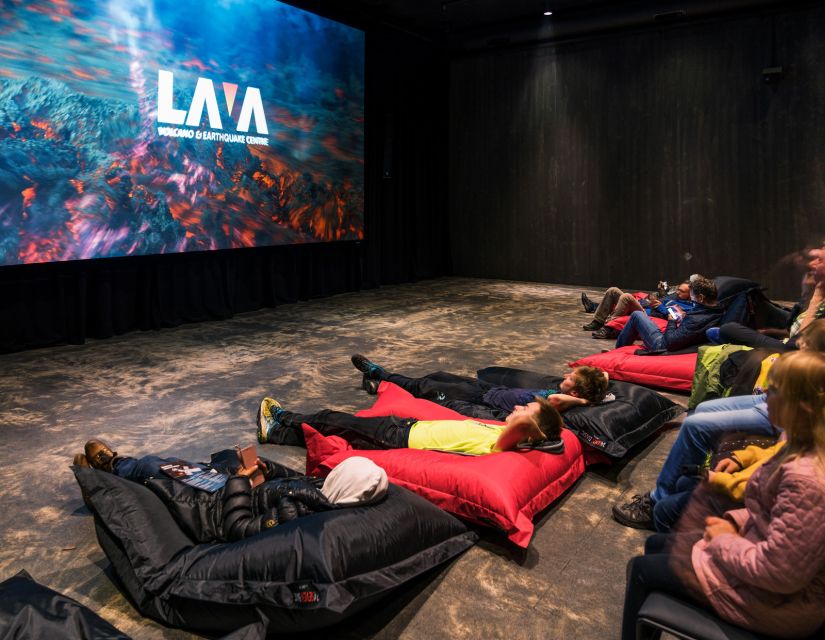
Iceland’s eruptions hit differently in 4K. This Volcano Movie at the LAVA Centre turns the biggest Icelandic events into a film you can take in even when weather outside is grim. The focus stays on what the island’s volcanoes do to real life, not just pretty imagery.
I really like two parts of this experience: the 4K or better visuals and the fact that there is no vocal narrative. You get the story through video and sound only, which keeps your attention on the scale of the eruptions. The second thing I like is the way the film connects older eruptions to more recent ones, including the famous 2010 air-traffic disruption.
One consideration is that this is a cinema show, not an on-site volcano hike. If you want fresh air, lava fields, or a live guide pointing out rocks, you will be happier pairing this with some daytime driving and viewing around South Iceland.
In This Review
- Key things to know before you go
- LAVA Centre in Hvolsvöllur: where this film fits in your Iceland route
- Ticket value: what you pay for and what you will not get
- The 4K, no narration format, and why it works
- Before the movie: the entrance info you should not rush
- The eruption timeline you’ll watch, step by step
- 2010: Fimmvörðuháls and Eyjafjallajökull, the air-traffic story
- Holuhraun 2014 to 2015: learning why it was less heard about
- Grímsvötn 2011 and the connective tissue of repeated eruptions
- The latest eruptions: Fagradalsfjall and Fagradalseldar
- Where to go next: pairing the movie with South Iceland driving
- Who this experience is best for
- Pricing and timing: how to decide based on your style of travel
- Should you book this Volcano Movie?
- FAQ
- How much does the Volcano Movie cost?
- How long is the experience?
- Where is the meeting point?
- Is food included?
- Can I buy food nearby?
- Is there vocal narration during the film?
- What languages is it in?
- What is the cancellation policy?
Key things to know before you go
- 4K or better footage, with video and sound doing the heavy lifting
- No vocal narration, so you experience the timeline like a dramatic documentary
- A long eruption timeline, from Katla (1918) to the latest Fagradalsfjall series
- Eyjafjallajökull (2010) coverage, including how it impacted European air traffic
- Holuhraun (2014-2015) explained, including why it was less known globally
- Free info at the entrance about earthquakes and volcanoes near the Lava Centre
LAVA Centre in Hvolsvöllur: where this film fits in your Iceland route
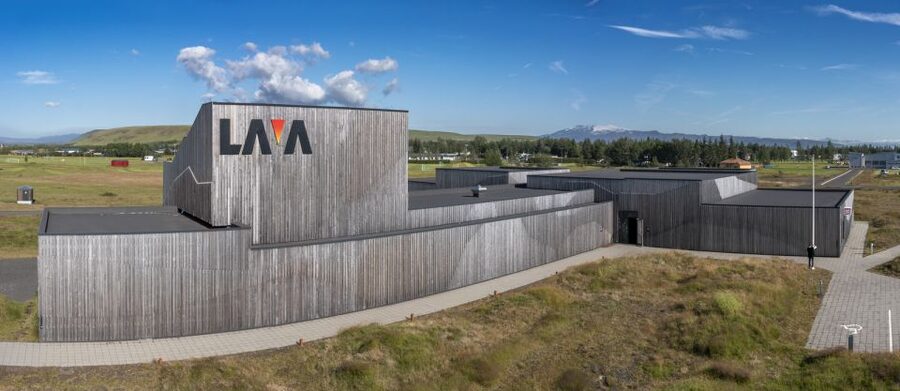
The movie takes place at the LAVA Centre, Austurvegur 14, 860 Hvolsvöllur. It is the first building on the left when you come from Reykjavík or the Golden Circle, so getting oriented is not hard. For many people, this is a natural stop on a South Coast day, especially if you are already driving toward the volcanic viewpoints around Hvolsvöllur.
This also matters for comfort. Iceland can change fast. When rain or wind makes you question long outdoor plans, an indoor 4K film is a smart fallback. You still get the big subject of the day, volcanoes, without committing to another hour on the road.
Ticket value: what you pay for and what you will not get
At $16 per person for a 1-day activity, the price is mostly about one thing: entry to the cinema screening. Included with your visit is entrance access, plus free information at the entrance about earthquakes in Iceland and major volcanoes around the Lava Centre.
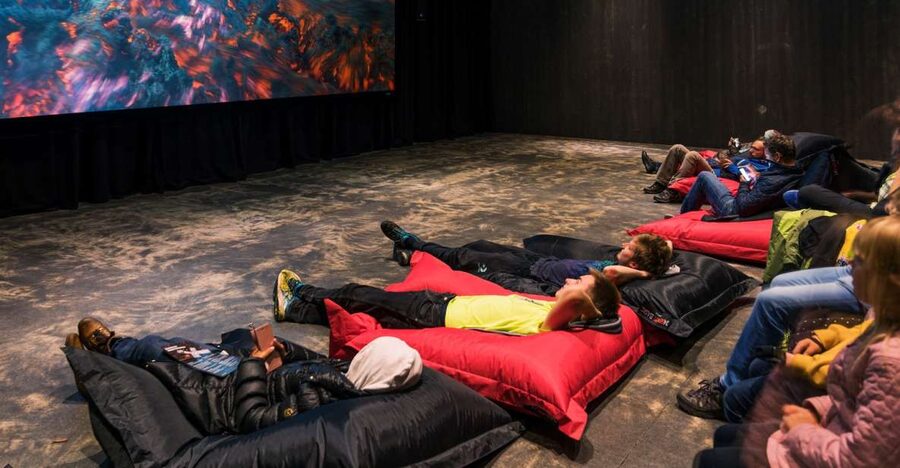
What is not included is food. You cannot bring food or drinks into the movie, but you can buy food at the in-house Katla restaurant and you can also shop on site. If you plan to do the show at a time when you are hungry, I suggest budgeting for Katla beforehand or grabbing something from the shop if that is available to you.
More craters still warm underfoot:
- Golden Circle, Volcano Crater and Blue Lagoon Small-Group Tour★ 5.0 · 1,932 reviews
- Reykjavík: Volcano Eruption Site and Reykjanes Hiking Tour★ 4.6 · 1,066 reviews
- Reykjavík: Guided Afternoon Hiking Tour to New Volcano Site★ 4.4 · 934 reviews
The 4K, no narration format, and why it works
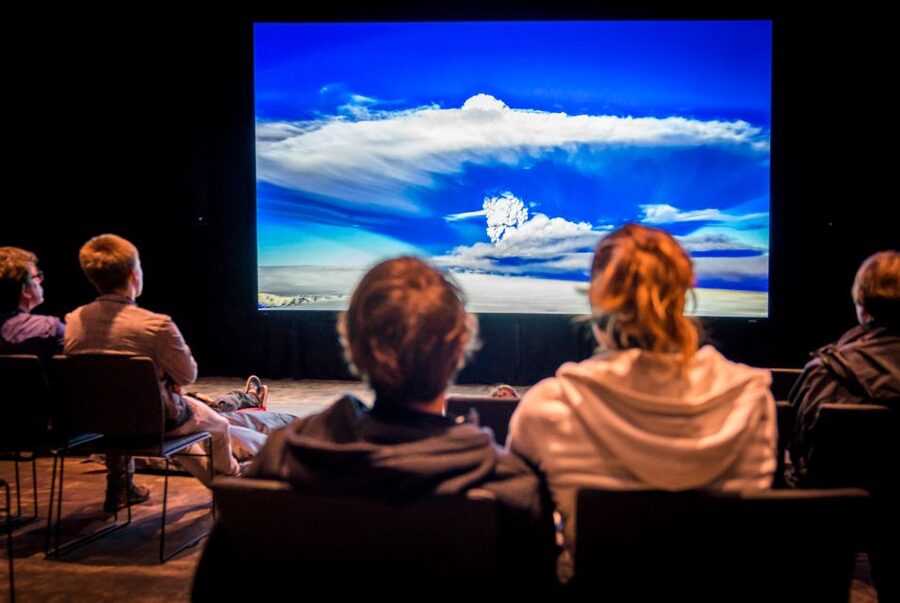
The biggest production choice here is simple: there is no vocal narration. The film tells its story using only footage and sound, shot in 4K or better quality.
I like this approach because it changes how your brain processes the story. With narration, your attention can drift into listening mode. Without it, you stay locked on the visuals and the audio cues. It also means the film does not explain every moment in words, so you will want to be ready to watch actively.
Sound matters in volcanic storytelling. Even without spoken commentary, you can feel the intensity when eruptions are shown with the right mix of noise and motion. It is a format that can feel dramatic, the kind that makes you look twice at scale, not just content.
Before the movie: the entrance info you should not rush
When you arrive, take a few minutes before you sit down. The site offers free information about earthquakes in Iceland and major volcanoes surrounding the Lava Centre. It is the kind of quick orientation that makes the film easier to follow.
Think of it as your warm-up. You are going to see a time sequence of eruptions, including famous names and major global events. If you spend even a little time with that entrance context, the big moments land harder, because you understand what you are watching before the credits roll.
Also, if you need a snack or a drink for later, remember the rules: food and drinks are not allowed inside the cinema. Plan for Katla restaurant timing if you want a full meal before or after the screening.
The eruption timeline you’ll watch, step by step
The film starts with an overview of Iceland’s eruption history, then moves through more recent and more relevant events. You will see a chain of eruptions that helps you understand something important: Iceland’s volcanism is not random luck. It is repeated, patterned, and long-lasting.
In the historic sweep, the film begins with Katla in 1918, then moves to Hekla in 1947, Askja in 1961, and Surtsey in 1963. It continues with the Westman Islands in 1973, Krafla in 1975, and other eruptions across the decades.
That time span is not just trivia. It gives you a sense of how long Icelandic communities have been dealing with volcanic risk and seismic activity. Even without a guide’s live explanations, the timeline makes the overall message clear: this island is active on a regular cadence.
Next clear spell around Reykjavik could go to:

2010: Fimmvörðuháls and Eyjafjallajökull, the air-traffic story
The next big act focuses on 2010, starting with the Fimmvörðuháls eruption. Then the film shifts to Eyjafjallajökull, the eruption that blocked air traffic in Europe for days.
This section is valuable because it connects geology to daily modern life. Most people can picture a lava flow, but airspace chaos is a different kind of impact. Watching how the eruption’s effects travel beyond Iceland’s borders helps you grasp why volcanic events can matter even if you are sitting thousands of kilometers away.
If you are the kind of person who likes practical context, this part is especially useful. It answers a question you might wonder when you hear volcanic headlines at home: what actually changes, and how quickly?
Holuhraun 2014 to 2015: learning why it was less heard about
Then the film tackles Holuhraun (2014 to 2015). The highlight here is the contrast in awareness. The eruption was massive, yet the world did not hear about it in the same way as 2010.
I appreciate this segment because it shows how “news visibility” can be misleading. Iceland can experience high-impact volcanic activity, and your ability to track it depends on media cycles, geography, and conditions at the time.
By covering Holuhraun in the same timeline as earlier eruptions, the film also builds a more honest picture. It tells you: Iceland does not only erupt when it is convenient for global headlines. The island’s forces keep going.
Grímsvötn 2011 and the connective tissue of repeated eruptions
The film does not treat eruptions as isolated events. It includes Grímsvötn in 2011 as part of the modern-era story. That matters because it reinforces a pattern: volcanic activity clusters in periods, and communities learn to live with ongoing change.
Even though this is a cinema experience, you still come away with a better sense of frequency. Iceland is described as having on average an eruption every 4 to 5 years, which is frequent on a human timescale. That statistic is the kind you carry with you on the rest of your trip, because it reframes what you see outside.
The latest eruptions: Fagradalsfjall and Fagradalseldar
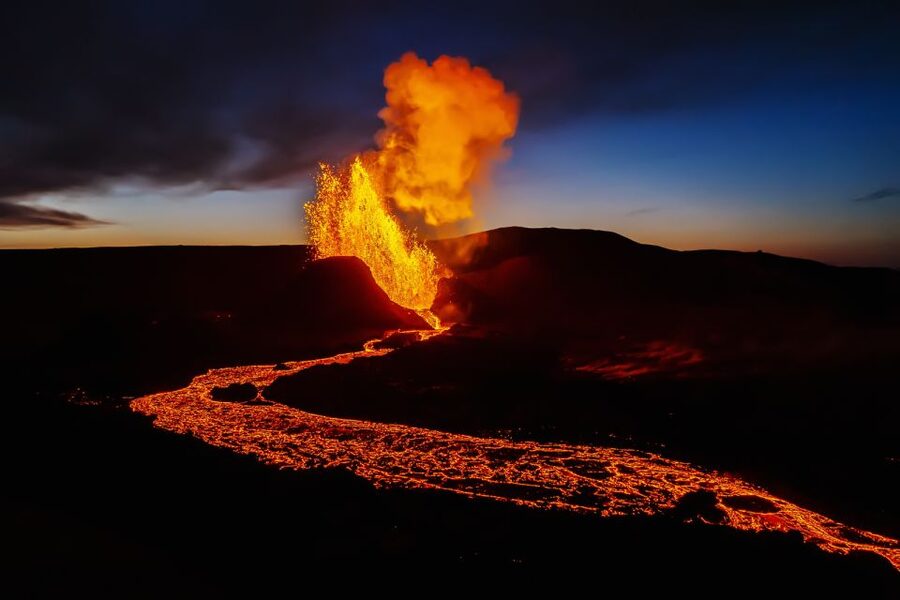
Finally, the film moves into the most recent series, known in the listing as Fagradalsfjall and Fagradalseldar. You are shown how eruption activity keeps returning, and how the latest events fit into the longer historical chain.
This ending section can be the most emotionally satisfying part, especially if you have followed Iceland news or have seen photos and clips online. Watching it in a structured timeline helps you feel the continuity rather than treating each eruption like a standalone viral moment.
Where to go next: pairing the movie with South Iceland driving
Because the movie is a 1-day option and it is indoors, it is easy to stitch into a road trip. I like placing it on a day when you plan to drive the South Coast or pass through the Golden Circle region, then pause here when the weather turns.
A practical tip: if you are doing a full driving day, schedule the show at a time when you are already at Hvolvöllur or nearby. That way you are not adding stress. You can keep your day flowing, dinner at Katla if you want it, then the movie when it suits your energy.
Also, remember the food rule. If you need calories fast, Katla is your friend. If you forget and show up hungry, you might have to wait until after the screening.
Who this experience is best for
This is a strong pick if:
- you want a high-impact Iceland volcano overview without spending all day outside
- you like documentary-style storytelling that relies on 4K video and sound
- you are curious about specific named eruptions like Katla, Hekla, Eyjafjallajökull, Grímsvötn, Holuhraun, and the Fagradalsfjall series
It might be less ideal if:
- you expect a guided outdoor walk among lava or vents
- you strongly prefer a spoken lecturer explaining everything moment by moment
- you are hoping food and drinks are allowed inside the cinema
One nice bonus for different needs is that the experience is wheelchair accessible. If you are planning around mobility, that is a real advantage for an indoor stop.
Pricing and timing: how to decide based on your style of travel
For $16, this is not a big budget item, but it is not “just a random movie” either. You are paying for a focused theme, high-quality production, and a storyline that includes both the historic timeline and high-profile modern events like 2010.
Because the film is only entrance fee, you get clarity. You are not buying a long multi-stop excursion with a dozen moving parts. You are buying a single experience you can fit into your route, especially as a weather-friendly plan.
Should you book this Volcano Movie?
I think you should book it if you want a compact, indoor way to understand Iceland’s eruption rhythm. The combination of 4K or better visuals, no vocal narration, and the coverage of major eruptions gives you a clear mental map of what matters and why.
Skip it if you already plan to do a lot of outdoor volcanic touring and you feel you would be repeating information. Also, if you want food included or you do not want to follow the food and drink rules, choose a different activity or plan your Katla meal timing.
If you are standing at the crossroads of too much driving versus too much sitting, this is a smart middle. You get the force of Iceland’s volcanoes in one sitting, without the logistics headache of another outdoor stop.
FAQ
How much does the Volcano Movie cost?
The price is $16 per person.
How long is the experience?
It is listed as a 1-day experience.
Where is the meeting point?
The meeting point is the LAVA Centre, Austurvegur 14, 860 Hvolsvöllur, Iceland. It is the first building on the left when coming from Reykjavík or the Golden Circle.
Is food included?
No. Food is not included, and food and drinks are not allowed inside the cinema.
Can I buy food nearby?
Yes. You can buy food at the in-house Katla restaurant and there is also a shop on site.
Is there vocal narration during the film?
No vocal narrative is provided. The story is told through video and sound only.
What languages is it in?
The host or greeter is listed as English and Icelandic, and those are the listed languages for the experience.
What is the cancellation policy?
Free cancellation is offered, with a full refund if you cancel up to 24 hours in advance.
Fresh on the forecast for Reykjavik
- Private Westman Islands with Puffins and Belugas (Lunch included)
★ 5.0 · 1 review - Private Northern Lights by Super Truck 4×4
★ 5.0 · 1 review - Private Monster Truck Northern Lights Hunt from Reykjavik
★ 5.0 · 1 review - The Icelandic Woman Walking Tour in Iceland
★ 5.0 · 1 review - Luxurious Private Airport Transfer and Blue Lagoon | Included Premium Admission
★ 4.0 · 1 review - Private Magical South Coast, Black Sand Beach, Best price for groups
★ 5.0 · 1 review - Wildlife Whale Watching and Puffin Tour in Reykjavik
★ 5.0 · 1 review
Volcano Craters & Lava Fields, compared.
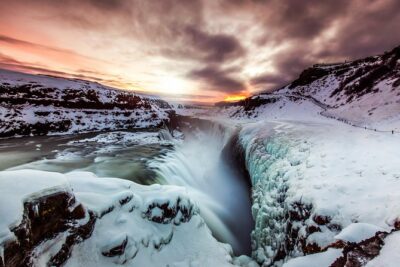
Golden Circle, Volcano Crater and Blue Lagoon Small-Group Tour
Read our review →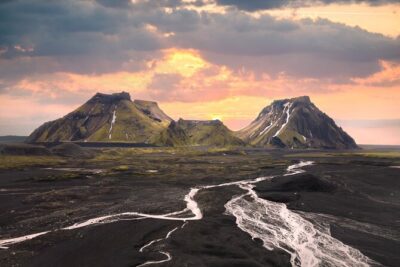
Ice Cave by Katla Volcano Super Jeep Tour from Vik
Read our review →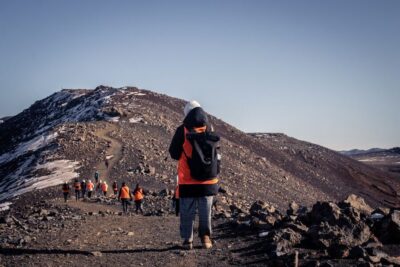
Volcano Eruption Site and Reykjanes Hiking Tour
Read our review →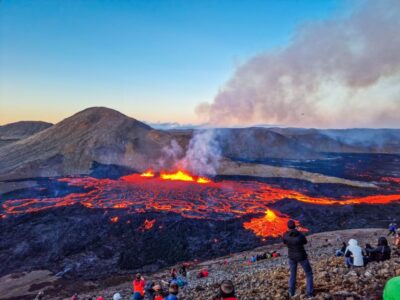
Guided Afternoon Hiking Tour to New Volcano Site
Read our review →
Iceland Hiking Tour to Fagradalsfjall Volcano with Local Guide
Read our review →Browse the lists this tour appears in