
REVIEW · SILFRA FISSURE TRIPS
Silfra: Snorkeling Tour Between Tectonic Plates
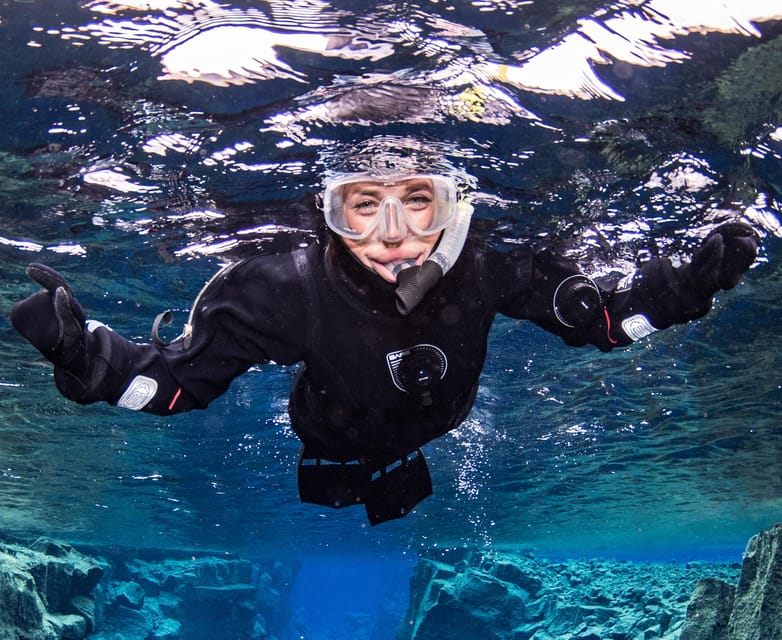
Two continents, one crack. In Iceland’s Thingvellir National Park, the Silfra Fissure lets you float in glacial meltwater while the Eurasian and North American plates drift apart. It is the kind of geology you can actually see, not just read about, with light, color, and depth that feel strangely otherworldly.
I also love how tightly the tour runs. You get geared up in advance with a proper drysuit warmth system, and the small groups keep the guides able to help fast, including when suit fit and breathing feel new, and even when your group has beginners and first-timers. Many guides, including people like Elsa and Filip, are praised for being hands-on and reassuring while still keeping safety front and center.
One consideration: this is a snug suit, in cold water. If you are claustrophobic or really don’t like water, the tight collar and the mitten-style gloves can be tough, and you may still feel cold on your face even with the drysuit.
In This Review
- Key Things That Make Silfra Different
- Silfra in Thingvellir, a geology tour you can feel
- What the tour really gives you, visibility plus a route with names
- Suits, warmth, and why the briefing takes real time
- The Big Crack and Silfra Hall, your first real taste of the plates
- Silfra Cathedral at 23 meters, when depth changes the feeling
- Silfra Lagoon and the warm-down ritual that matters
- Time on the calendar, how long 2.5 to 5 hours feels in practice
- Price and value, why it costs what it costs
- Who should book, and who should skip Silfra
- Smart prep tips for warm water, cold conditions
- Should you book Silfra snorkeling between tectonic plates?
- FAQ
- How long do you spend snorkeling in Silfra?
- Is hotel pickup included?
- What gear is provided?
- Do I need to be a certified diver?
- What should I wear or bring?
- Who is this tour not suitable for?
- What happens after the snorkeling session?
Key Things That Make Silfra Different
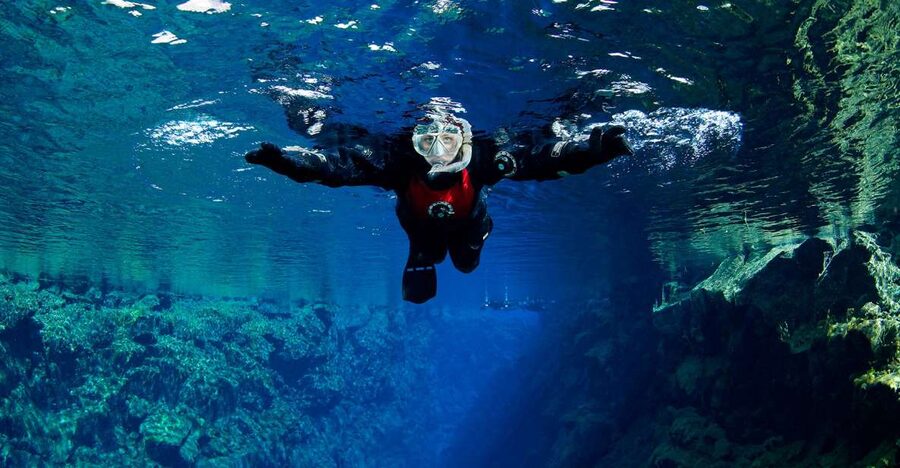
- 100-meter visibility in crystal glacial meltwater: you get that rare, glassy clarity where boulders and silt look dramatic.
- A clear path through the fissure’s changing shape: the route goes from narrow to wide, with named spots like Big Crack and Silfra Cathedral.
- Small groups up to 6: more guide attention while you float through tight angles.
- Proper warmth setup, not just a wetsuit: drysuit plus warm under layers and a heated van to change.
- Guides who focus on comfort and safety: people repeatedly mention support with suit fit and confidence in the water.
- Hot chocolate and cookies to end the experience: a real morale boost after your hands and face feel the cold.
Silfra in Thingvellir, a geology tour you can feel
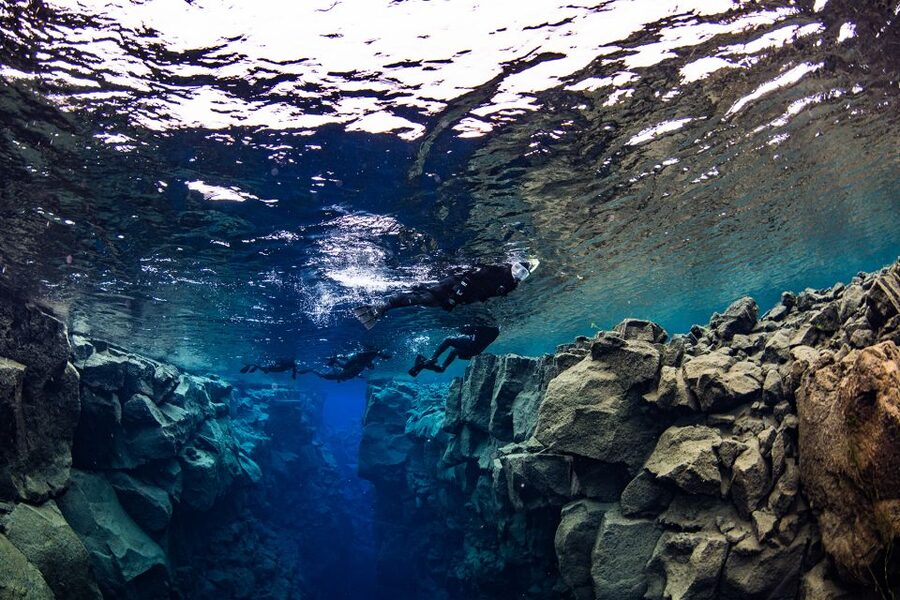
Thingvellir is already famous on the Golden Circle circuit, and Silfra is the reason it gets extra starry-eyed. Silfra Fissure sits in the park where the Eurasian and North American tectonic plates split, so the walking paths and viewpoints above you are only half the story. Below the surface, that split becomes your route, with you floating over boulders and watching the water change as you move through different sections of the crack.
What makes this experience click for me is the clarity. With roughly 100 meters (about 300 feet) of visibility, the fissure does not blur into “cold water snorkeling.” Instead, you get sharp edges, rock textures, and that unmistakable look of glacial meltwater, including the soft colors caused by silt suspended in the water. It is surreal in a grounded way, because you can literally see how the planet is pulling itself apart.
The tour is also built around you staying comfortable enough to enjoy it. You are not expected to be a seasoned snorkeler, and you are not thrown into a long, technical session. The format is structured: suit up, get a safety briefing, then spend your time in the water with a guide keeping an eye on everyone.
What the tour really gives you, visibility plus a route with names
People price snorkeling by time, but Silfra is more about what you see during those minutes. You start with a safety briefing, then you head in for a guided swim that focuses on a few signature zones, rather than a random drift.
Here is the route concept, in plain language:
- Big Crack is the narrowest section, where the plates are so close you feel like you are almost hovering between them.
- The fissure then opens up into Silfra Hall, where you can line up your view and, from the right angle, see toward Lake Thingvallavatn, more than 150 meters away.
- Next comes Silfra Cathedral, where you go down to about 23 meters. Reviewers describe it as flying-like, with boulders and glacial silt creating a floating, cathedral ceiling feeling from the water.
- You finish in Silfra Lagoon, then warm up and debrief.
That naming matters because it helps you understand why the water feels different. The narrow sections feel tight and focused. The wider hall feels airy, like the fissure is giving you room to breathe. The deeper cathedral section is where the visibility and depth mix into a strong “how is this real” moment.
Also, no marine life expectations. You are not booking this for fish. You are booking it for the planet’s geology, the clean water, and the strange, beautiful colors that come from glacial silt.
More snorkel lines through the rift water:
- Silfra: Snorkeling Between Tectonic Plates – Meet on Location★ 5.0 · 5,001 reviews
- Silfra Snorkeling Between Continents Photos Included- Self Drive★ 5.0 · 3,427 reviews
- Silfra: Fissure Snorkeling Tour with Underwater Photos★ 4.9 · 2,731 reviews
Suits, warmth, and why the briefing takes real time
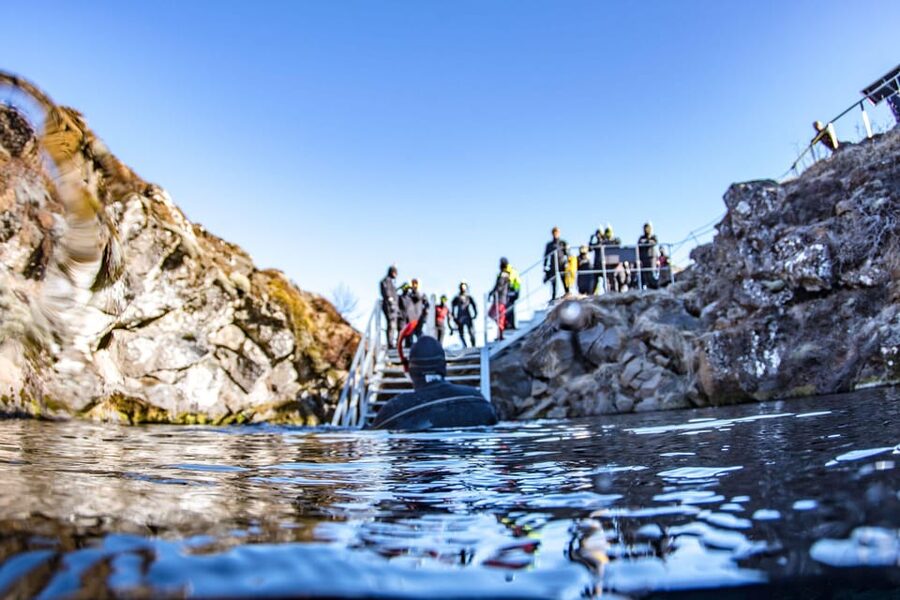
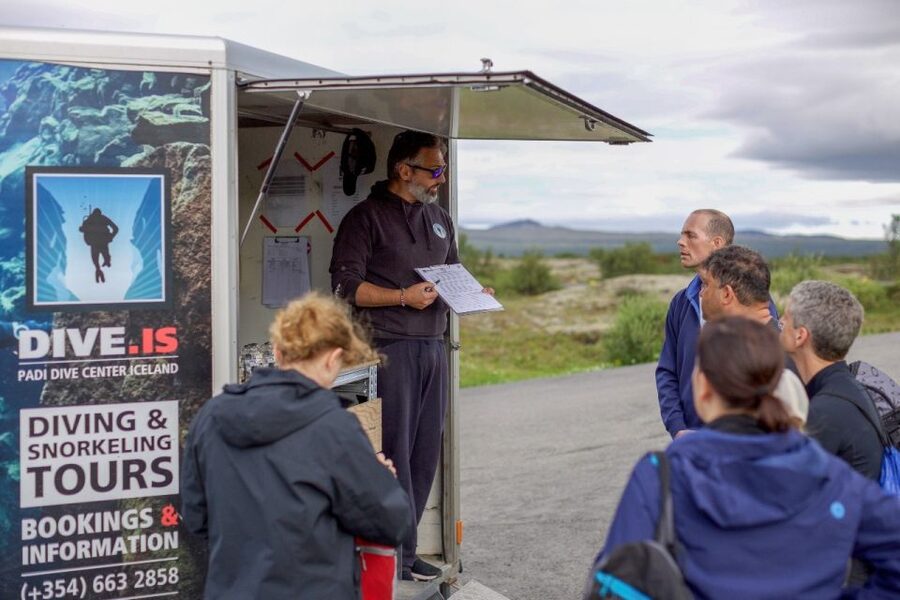
You will spend about one hour on safety and getting set up, and that matters. Silfra’s water is cold, and the drysuit setup is different from regular snorkeling gear. The point of that pre-water time is not to slow you down, it is to help you move well once you are in the water.
Before you even enter, you are divided into groups of six people per guide. You gear up in a drysuit with a warm under suit, and you also get snorkeling gear. The tour includes a heated van so you can change clothes, then warm up again after. That heated-van piece is a big deal in winter months, because “cold walk in gear” can wreck your energy even before the water.
Guides like Elsa, Nicolas, and Quim (and others with similar styles) are repeatedly praised for how much they help with suit fit and confidence. That usually shows up in the small moments: how they secure the suit, how they explain hand position and movement, and how they check you before you start floating. If you feel a bit nervous, that support is part of the value you are paying for.
One more comfort note from experience-style feedback: your core may be warm, but your face can still feel cold because your mouth is uncovered for breathing. You may get cold hands too, depending on how the mitts fit and your comfort level. So treat warmth planning as part of the activity, not an afterthought.
The Big Crack and Silfra Hall, your first real taste of the plates
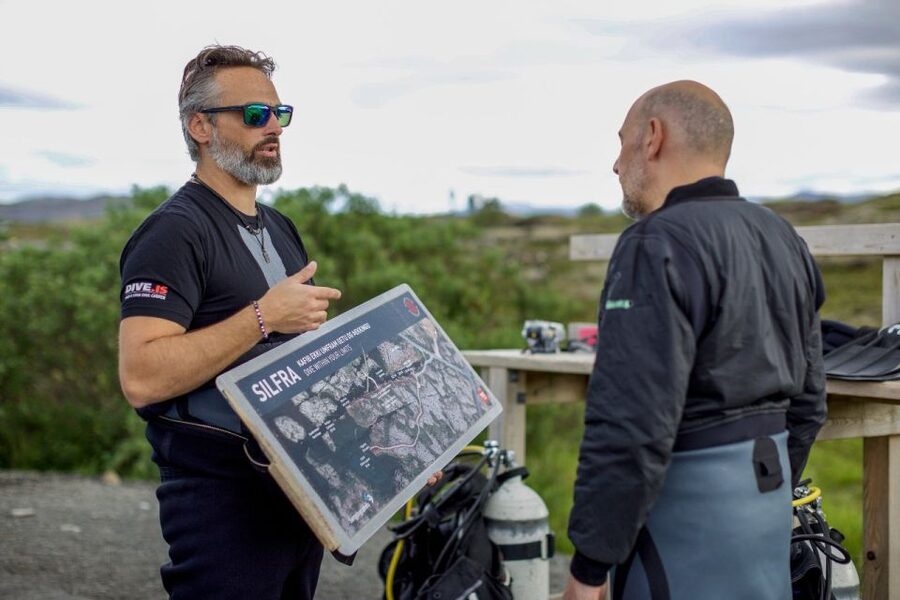
Once you are geared up, you walk for a short stretch to the entry point, then you spend about 45 minutes in the water. That is enough time to relax into the float, but not so long that you get numb and detached.
In Big Crack, the fissure is narrow. It can feel mentally intense because you are high above the waterline and the walls feel close. If you are sensitive to tight spaces, this is the part where you should pay attention to your own comfort early. The drysuit adds flotation, so you are mostly floating rather than doing hard swimming, but you still need to move your head and body as the guide directs.
Then comes Silfra Hall. This is where the experience often flips from “wow, I am in the water” to “wait, this is cinematic.” The water clarity makes the distance feel real, and from the right angle you can spot Lake Thingvallavatn at more than 150 meters away. It is a cool reminder that you are in a fissure, but the park is still right there, and the above-world scenery is not totally lost.
A practical tip here: your best underwater view often comes from listening first, then adjusting your angle on the cue. If you fight the route, you can end up turning into silt or losing sight of what the guide is highlighting. If you follow the flow, you get those clean, sharp views.
Silfra Cathedral at 23 meters, when depth changes the feeling
Silfra Cathedral is the signature “this should not exist” section. You descend to roughly 23 meters, and the water motion plus the glacial silt gives the illusion of drifting in a space that is wider than the walls actually are.
Many people describe it as flying over boulders. That is not about special effects. It is just how your body feels when you are buoyant, moving slowly through clear water, with a deep drop and a guide pacing the group. The guide’s job here is huge: keeping spacing, watching for anyone who gets tense, and helping you keep a relaxed posture so breathing feels steady.
If you are new to snorkeling with a drysuit, your job is simpler than you might think. Focus on calm breathing and simple, controlled movements. A lot of the “skill” is just staying loose. You are not doing tricks. You are learning to float without panic.
One more consideration: visibility can make depth feel sharper. If you are nervous about heights, you might also feel it in reverse, because looking down into clear, deep water can trigger that vertigo feeling. Going slowly and keeping your eyes on what the guide is showing usually helps.
Also waiting on skies over Silfra

Silfra Lagoon and the warm-down ritual that matters
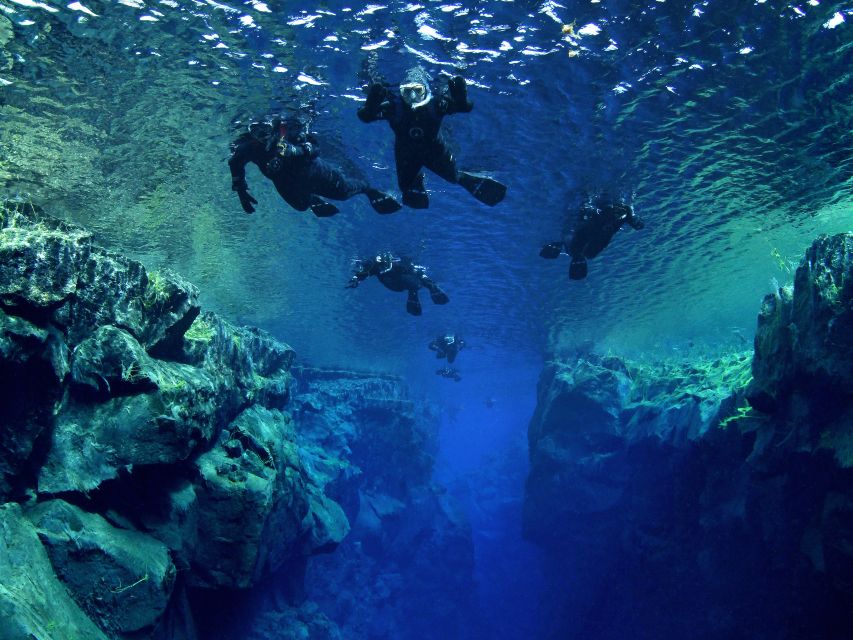
After your water session, you get back out and head to a warmer break setup. You get about 30 minutes of break time, plus time to process what you just did.
The tour includes hot chocolate and cookies. It sounds small, but it is not. This is exactly when your body starts to realize it was cold, and a warm drink helps you feel human again before you start thinking about photos, changing, and getting back on the van.
If your guide does photo stops, you will likely have the chance to purchase underwater photos afterward. One person felt the photo pricing was steep for the number of pictures included, so if you care a lot about photos, plan to either budget for them or bring your own camera option you can handle with cold-finger gear. People often suggest a GoPro because operating a phone can be tricky once you are wearing mitten-style gloves.
Time on the calendar, how long 2.5 to 5 hours feels in practice
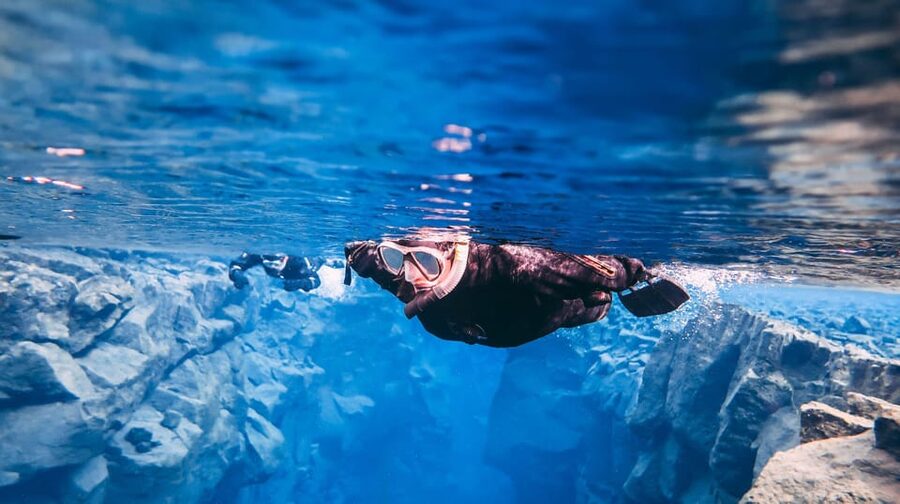
The duration is listed as 2.5 to 5 hours, and that range is real because the schedule depends on which time slot you choose and how the day’s pickups run. What stays consistent is the rhythm: safety briefing, a short walk, a 45-minute snorkeling block, another short walk, then break and end-of-tour warming.
If you want the best shot at a calmer entry, the timing matters. One strong tip from the experience details you have here: picking an early session can mean fewer people waiting and a smoother start. It is not magic, but crowd pressure is a real thing in any guided nature activity.
Also consider the season. In colder months, the time outside during suit-up and the face-cold factor can feel more intense. In milder months, you will likely feel cold but less “shocking” during the outdoor portion.
Price and value, why it costs what it costs
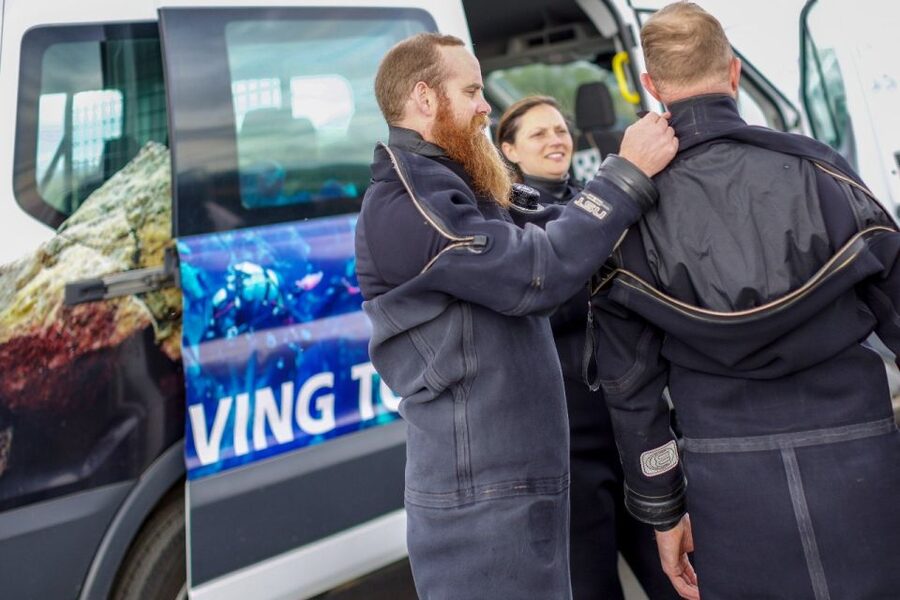
At about $140 per person, you are paying for more than a water session. You are buying:
- A certified PADI instructor (as listed)
- Full snorkeling gear plus a drysuit and warm under suit
- A heated van for changing clothes
- Hot chocolate and cookies
- Silfra entrance fee included (listed as ISK 1,500)
So yes, it is not a budget activity. But it is also not just “show up, put on a mask, go.” The drysuit logistics, the time spent on safety, and the guide-to-group ratio are what justify the price. That is why so many people describe the guides as very hands-on and safety-first.
What to budget beyond the base price: the materials and experience end with photo options and sometimes merchandise. Also, parking fees are not included, and hotel pickup and drop-off is not listed as included as a blanket service. Pickup is described as optional depending on your selected option, so your exact plan should match your ticket.
Who should book, and who should skip Silfra
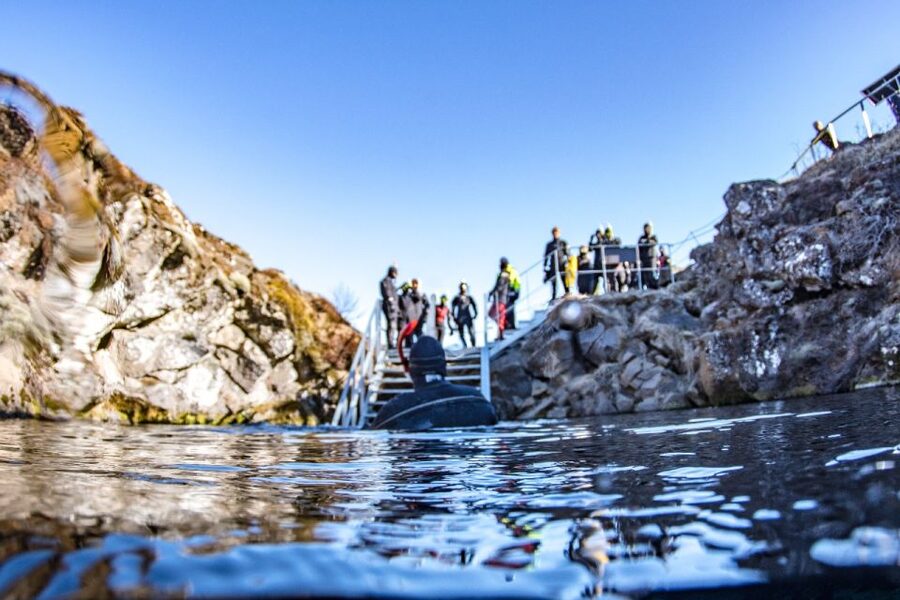
Silfra is best for you if you can swim and feel comfortable in water, even if you have never snorkeled before. You do not need to be a certified diver, and the tour is described as suitable for anyone over 12 who can swim and handles being in cold water with guidance.
It is probably a poor match if any of these apply:
- You are pregnant
- You are under 12
- You weigh more than 264 lbs (120 kg)
- You are outside the height range: under 4 ft 9 in (150 cm) or over 6 ft 6 in (200 cm)
- You weigh under 99 lbs (45 kg)
- You are not able to read and sign the required medical statement
- You are 60 or over and need physicians approval (as noted)
- You are dealing with alcohol or drugs at the time of the tour (not allowed)
You should also think hard about claustrophobia or water anxiety. A number of people note the suit fit can feel tight and the gloves limit movement. Most still manage it with coaching, but if you know you panic in enclosed gear, this may be more stressful than you want.
Smart prep tips for warm water, cold conditions
This is the part that makes or breaks your comfort.
Bring:
- Warm clothing. Think thermal layers and thick socks, not just a jacket.
- Contact lenses if you wear glasses.
- Extra socks if you run cold. Several people suggest multiple pairs of thermal socks, because feet can get chilly once you are suited up.
In the park:
- You might deal with midges. One practical suggestion here is to bring a mosquito head net. The tour notes they provide them, but having your own can still help.
In the water:
- Don’t expect zero cold. Even in drysuits, people report your face can feel cold and hands can be chilly.
- Follow your guide for movement and angles. With thick gear, fast scrambling does not work well.
Then after:
- Use that heated van and the warm drink right away. It is tempting to rush to phones and photos, but the sooner you warm up, the more enjoyable the rest of the day feels.
Should you book Silfra snorkeling between tectonic plates?
If you want one Iceland activity that feels truly scientific and truly visual at the same time, book Silfra. The combination of 100-meter visibility, the chance to float along a tectonic boundary, and the drysuit logistics all point to a high-impact, well-managed experience for the money.
Skip it if you hate cold water, struggle with tight gear, or want wildlife snorkeling. Silfra is about geology, not fish. And even with great suits and supportive guides, you should assume your face will feel chilly.
If you are on the fence, here is my practical test. Ask yourself if you can handle 45 minutes of floating in cold water while following instructions and keeping calm. If yes, this is one of those Iceland tours that delivers a memory you will keep replaying long after you leave the fissure.
FAQ
How long do you spend snorkeling in Silfra?
You get about 45 minutes in the water, after a safety briefing and short walk segments.
Is hotel pickup included?
Hotel pickup and drop-off are not included as a blanket service, but pickup is described as optional depending on your selected option. You will meet at the Silfra Fissure in Thingvellir National Park if you do not use the pickup option.
What gear is provided?
The tour includes snorkeling gear, plus a drysuit and warm undersuit to keep you comfortable in the cold water.
Do I need to be a certified diver?
No. The activity is suitable for anyone over 12 who feels comfortable in the water and knows how to swim. It is not described as requiring scuba certification.
What should I wear or bring?
Bring warm clothing. The tour notes thermal underwear, thick socks, and warm clothes are recommended. If you wear glasses, bring contact lenses.
Who is this tour not suitable for?
It is not suitable for children under 12, pregnant women, people over 264 lbs (120 kg), people under 4 ft 9 in (150 cm), people over 6 ft 6 in (200 cm), and people under 99 lbs (45 kg).
What happens after the snorkeling session?
After you finish at the Silfra Lagoon, you get a warm-down with hot chocolate and cookies, plus time for a break before ending the activity with drop-offs.
Fresh on the forecast for Silfra
- Reykjavik Combo: Horse Riding & Snorkeling in Silfra Fissure
★ 4.7 · 13 reviews - Golden Circle Silfra Snorkeling and Fridheimar Tomato Farm Lunch
★ 5.0 · 14 reviews - Silfra Snorkel – Between Continents – When Quality Matters
★ 5.0 · 18 reviews - Silfra: Leidarendi Lava Caving & Snorkeling Tour with Photos
★ 4.8 · 26 reviews - Snorkeling in Silfra & Fly Over Iceland Virtual Experience – Self-drive
★ 5.0 · 28 reviews - Silfra: Snorkel Between Continents. Free Professional Photos
★ 5.0 · 30 reviews - Lava Tunnel Caving & Snorkeling in Silfra with Transfer | Free Photos
★ 5.0 · 34 reviews
Silfra Fissure Trips, compared.
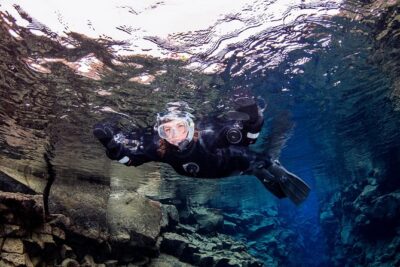
Silfra: Snorkeling Between Tectonic Plates – Meet on Location
Read our review →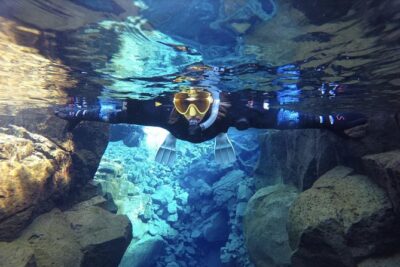
Silfra Snorkeling Between Continents Photos Included- Self Drive
Read our review →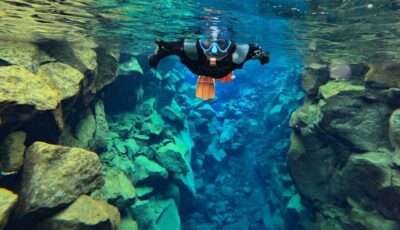
Silfra: Fissure Snorkeling Tour with Underwater Photos
Read our review →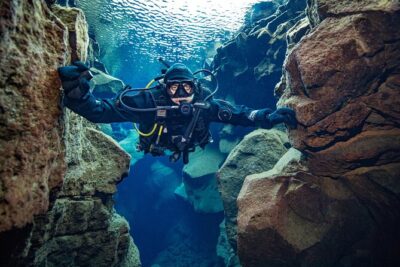
Silfra: Diving Between Tectonic Plates – Meet on Location
Read our review →
Silfra Fissure Snorkeling between Two Continents
Read our review →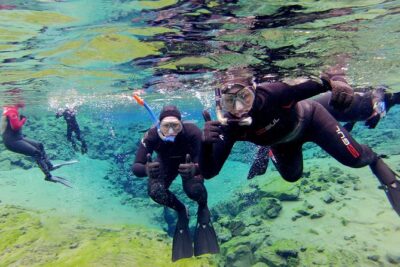
Silfra Drysuit Snorkeling with Free Photos – Meet on Location
Read our review →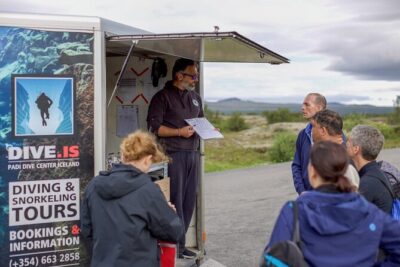
Silfra: Snorkeling Between Tectonic Plates Pick Up from Reykjavik
Read our review →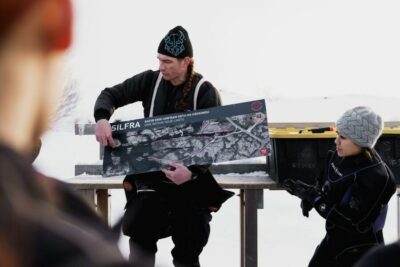
Silfra: Half-Day Snorkeling Day Trip with Underwater Photos
Read our review →Browse the lists this tour appears in