
Volcanoes feel close on this Reykjanes Peninsula day. You get a tight loop of Iceland’s youngest lava country, then head into Grindavík, where earthquakes and eruptions have literally rewritten the roads and the way people live. It’s a rare mix of awe and realism, explained in plain terms by the local guides who know this ground.
I especially like the geothermal parts, from steaming hot-spring zones to the softer pace around lake Kleifarvatn and coastal viewpoints. The guide factor matters too, with named guides like Einar and Thomas earning praise for pacing stops and explaining what you’re seeing in a way you can actually use. One drawback: food and drink are not included, so plan on bringing snacks or budgeting for a meal stop.
In This Review
- Key Points to Know Before You Go
- Why Reykjanes and Grindavík Make This Tour Worth Your Time
- Pickup, Timing, and How to Not Miss the Minibus
- Geothermal Hot Springs: The Part You’ll Remember Months Later
- Lake Kleifarvatn and the Coastline Stops That Break Up the Big Geology
- Ancient Lava Fields Covered in Moss: Soft Looks, Hard Truth
- Grindavík: Seeing How Quakes and Lava Changed Daily Life
- When an Eruption Is Possible: How the Tour Shifts to the Best View
- The Guides Are Part of the Product (Einar, Thomas, Aina, and More)
- Price and Value: What You’re Actually Paying For
- What to Bring for a Rain-or-Shine Volcanic Day
- Who This Tour Suits Best
- Should You Book This Reykjanes Volcano Tour?
Key Points to Know Before You Go
- Eruption-aware planning: the itinerary can pivot if conditions change near Grindavík.
- Real-world context at Grindavík: you’ll see how earthquakes and lava flows affected roads and homes.
- Geothermal close-up: hot springs and steaming activity are a core part of the day.
- Photogenic stops with variety: Kleifarvatn, an Icelandic lighthouse, the bridge between continents, and ancient lava with moss.
- Hotel pickup included: you start and end with convenience, plus onboard WiFi.
Why Reykjanes and Grindavík Make This Tour Worth Your Time
If you only see Iceland from far away, you miss the point. The Reykjanes Peninsula is all about cause and effect: tectonics pushing, magma traveling, land reshaping itself. This tour keeps you out in the open long enough to feel that energy, then gives you the human side of it at Grindavík, where the disaster wasn’t just an event in the distance.
What makes it hit hardest is the contrast. You’ll stand in places shaped by ancient lava, then turn around and look at newer volcanic damage and the changed infrastructure around town. It’s not just pretty scenery. It’s a living lesson in geology and resilience.
Grindavík also works well for first-timers because it’s a clear story. The peninsula remains geologically active, and the tour is built around that reality. Even when no lava is currently flowing, the risk can be ongoing, so the guides keep an eye on what’s safe and what’s accessible.
Pickup, Timing, and How to Not Miss the Minibus
The day runs about 7 hours. Pickup is included, and you should be ready at 10:00 AM. One practical detail: the minibus can take up to 30 minutes to arrive depending on where you’re starting from. That’s normal for hotel pick-ups spread across town, but it means you should not plan to walk over slowly at 9:58.
There’s also a must-do item that’s easy to skip when you’re excited. Make sure you have a working mobile phone and are connected to data roaming if applicable. If they can’t find you at the pickup spot and they can’t reach you by phone, you could miss the tour. Bring the phone you’ll actually use, keep it charged, and be ready when the driver calls.
This is a rain-or-shine tour, so your best strategy is simple: dress for the weather, and bring an extra layer even if the morning looks bright.
More craters still warm underfoot:
- Golden Circle, Volcano Crater and Blue Lagoon Small-Group Tour★ 5.0 · 1,932 reviews
- Reykjavík: Volcano Eruption Site and Reykjanes Hiking Tour★ 4.6 · 1,066 reviews
- Reykjavík: Guided Afternoon Hiking Tour to New Volcano Site★ 4.4 · 934 reviews
Geothermal Hot Springs: The Part You’ll Remember Months Later
The tour’s engine is geothermal activity. You’ll explore a geothermal area with numerous hot springs, where the ground gives off heat and steam. Expect close-up views of boiling or steaming activity, the kind that makes you understand why people describe geothermal energy as both useful and dangerous.
This stop is valuable for two reasons. First, it turns geology from a textbook into something physical you can see. Second, it sets the tone for the rest of the day. Once you’ve smelled that sulfur-tinged air and watched steam rise, it’s easier to connect the dots when you later look at lava fields and earthquake damage.
Practical tip: hot-spring areas can be steamy, cold, or slippery depending on the exact spot and weather. Wear shoes with grip and plan to walk slowly. You do not need to power through everything. Take your time. That calm pace is part of why small details become great photo moments.
Lake Kleifarvatn and the Coastline Stops That Break Up the Big Geology
After the geothermal close-up, the route shifts into scenic “breathing space.” One of the highlights is a stop at lake Kleifarvatn, a calm counterpoint to the sharp volcanic terrain. From there, you’re set up to appreciate how strange this area is in the best way. Volcanic forces built the ground. Water and wind shape what you see today.
You’ll also visit Iceland’s oldest lighthouse. That’s not just a novelty stop. Lighthouses in this kind of coast landscape help you read the country. They tell you where the land is sharp, where the sea is rough, and why sailors depended on a signal in bad weather.
Then there’s another favorite type of stop: the bridge between continents. It’s the kind of place where you can look down and think, this is a boundary in action. You’re not just seeing volcanic features, you’re seeing tectonics turned into a real point on Earth.
Ancient Lava Fields Covered in Moss: Soft Looks, Hard Truth
One of the most memorable parts comes when you leave the geothermal heat behind and walk among ancient lava fields covered in soft moss. This is one of those stops where Iceland surprises you. Lava is harsh and sharp, but time and moisture create a softer surface you can actually appreciate up close.
This section matters because it explains the real timeline of volcanism. Lava doesn’t stay dead forever. It becomes the foundation for ecosystems. Moss growing over old rock is a simple visual proof that the country keeps changing after each event.
Keep your expectations grounded: moss can be slippery, and you may be on uneven ground. The tour’s vehicle also matters here. In at least one guided day, people noted the bus or minibus was well suited to the terrain, which helps you avoid the roughest parts of the road pain. Once you’re out walking, slow and steady beats sprinting for photos.
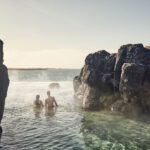
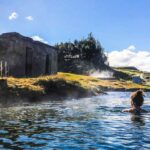
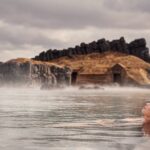
More steam rising off warm water:
Grindavík: Seeing How Quakes and Lava Changed Daily Life
This is the emotional center of the trip. You’ll visit Grindavík, where devastating earthquakes split roads, lava flows damaged houses, and residents were forced to evacuate. You’ll learn the geology side, but what stays with you is the impact: how fast a normal town can become a different place.
Even when no lava is flowing at the moment, the risks are tied to ongoing activity. The tour frames Grindavík as a living hazard, not a finished disaster. That context is important because it helps you understand why certain areas may be closed, why viewpoints can shift, and why the guide’s job includes safety decisions.
You’ll also notice the “conversation” between old and new. In volcanic country, you see layers. Some areas are scarred and raw. Others look healed, even if the underlying threat hasn’t disappeared.
When an Eruption Is Possible: How the Tour Shifts to the Best View
Here’s the big headline idea: the itinerary is designed to adapt. The Reykjanes Peninsula, especially around Grindavík, remains geologically active, so no one can promise a volcano show in advance. Still, if an eruption resumes and certain areas close, this tour is set up to pivot into an active-volcano experience when conditions allow.
That means you should think of the schedule as a “flex route,” not a rigid checklist. The guide will aim for the best possible viewpoint while staying within safe boundaries. The science is unpredictable, but the planning is not careless.
If you want to maximize your odds of seeing dramatic activity, don’t treat the day like a guarantee. Treat it like a high-probability opportunity to witness Iceland in motion. In at least one guided day, a group was able to see an active volcano when conditions allowed, and they described it as a special bonus rather than a standard promise.
The Guides Are Part of the Product (Einar, Thomas, Aina, and More)
This is where the tour earns its high rating. You’re not just driving from spot to spot. You’re getting a guide who translates the geology into something you can grasp quickly and remember.
Named guides come up in the pattern of praise:
- Einar is described as fantastic, with lots of time at each stop and a friendly, information-forward style. One group even noted music during the drive, which turns travel time into part of the experience instead of dead time.
- Thomas is praised for being friendly, giving background information, and driving safely through challenging terrain.
- Aina is noted for being friendly, helpful, and strong on historical and geology explanations.
- Other guides, like Vala and Pedro, are highlighted for fluent English and detailed explanations you can ask questions about.
Even if you don’t get the same guide each time, the consistent theme is pacing plus explanation. You’ll have time to look, not just snap and rush.
Price and Value: What You’re Actually Paying For
At $122 per person for about 7 hours, the value isn’t in a long menu of included extras. Food is not included. What you are paying for is the structure and the interpretation:
- Hotel pickup and drop-off, which saves you from renting a car or stitching together buses.
- A live English guide who connects the stops to the bigger volcanic story.
- WiFi onboard, which is handy when you want to message and plan around the day.
- And the most important value: access to the right viewpoints in a region where conditions can change.
When the landscape gets active, the “worth it” factor is huge because rerouting on the fly is only possible if the guide knows the area and you’re already on the right side of the day’s logic. If you’re paying for a chance to see the peninsula with context, this price sits in a reasonable place for what’s offered.
What to Bring for a Rain-or-Shine Volcanic Day
Because this runs rain or shine, pack for weather more than for comfort. Think warm layers, waterproof outerwear, and gloves if you run cold. Add a small bag for a dry change if you tend to get damp easily.
Also, since you’ll be walking around at viewpoints and in geothermal zones, wear footwear with grip. Moss and wet ground can be slippery. You don’t need hiking boots, but you do need stable soles.
Don’t forget the phone rule mentioned earlier. Bring the phone you’ll use during pickup, keep it charged, and stay connected to data roaming if needed so the driver can reach you.
One last practical note: since food and drink are not included, plan snacks. Even if the tour includes a restaurant stop (you might find this on some days), you don’t want your day to be a hunger guessing game. Bring something simple and filling, plus water if you prefer it.
Who This Tour Suits Best
This is a strong fit if you want:
- Volcanic and geothermal sights without doing car logistics.
- A clear explanation of why Reykjanes is active and why Grindavík matters.
- A day that mixes dramatic nature with real-world human impact.
- Enough time at stops to take photos and actually look.
It’s not a good fit if you need wheelchair access. The tour is not suitable for wheelchair users.
Should You Book This Reykjanes Volcano Tour?
Book it if you want a guided day that teaches you what you’re seeing, not just where to stand. The best reason is the combination of close geothermal activity and the human story at Grindavík, plus the built-in flexibility if volcanic conditions change. If you’re the type who likes science explained in plain language, you’ll enjoy this more than the average “drive-by” tour.
Skip it or look for a different option if you can’t manage with no food included, or if weather makes you miserable even with layers. And if missing a pickup would ruin your day, treat the phone and timing rules as non-negotiable.
If you’re ready for a real Iceland geology day, this one is built for it.
Fresh on the forecast for Reykjavik
- Iceland Game of Thrones Tours
★ 5.0 · 7 reviews - Reykjavik: Golden Circle Tour & Laugarás Lagoon Entry
★ 4.7 · 7 reviews - Reykjavik Private 4-Hour Tour with Transfer
★ 5.0 · 7 reviews - Thórsmörk, Valley of Thór | Private Tour | PRO Photos Included
★ 5.0 · 7 reviews - Reykjavik: Private Golden Circle and South Coast Tour
★ 5.0 · 7 reviews - Reykjavik: Small-Group Northern Lights Tour with Pickup
★ 5.0 · 7 reviews - Reykjavik: Golden Circle Super Jeep Tour with Snowmobiling
★ 4.9 · 7 reviews
Geothermal Bathing & Hot Rivers, compared.
Sky Lagoon Entrance Pass With 7-Step Spa Ritual
Read our review →
Sky Lagoon Entrance Ticket Including 7-Step Ritual
Read our review →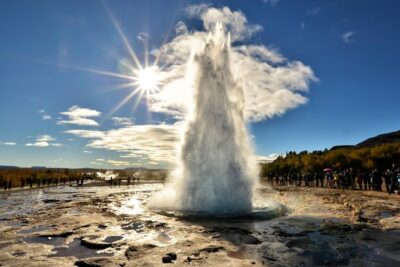
Golden Circle & Secret Lagoon Small-Group Tour from Reykjavik
Read our review →
Golden Circle, Secret Lagoon and Kerid Crater Tour from Reykjavik
Read our review →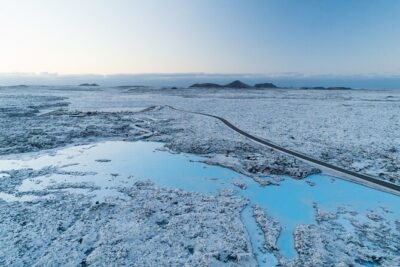
Golden Circle, Kerid Crater & Geothermal Lagoon -Small Group Tour
Read our review →Browse the lists this tour appears in