
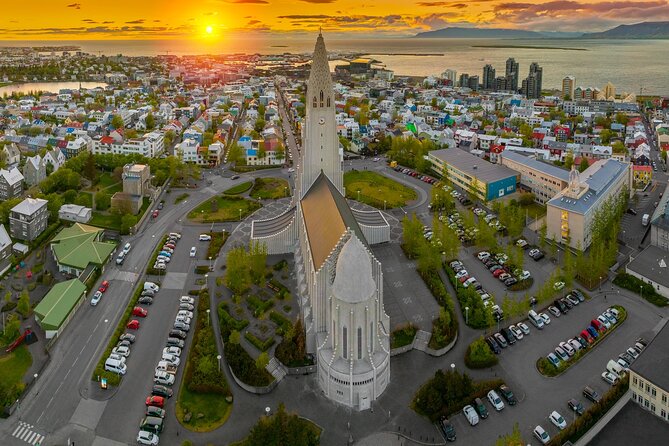
REVIEW · CITY TOURS
Reykjavik City Card 72 hour
Reykjavik runs on geothermal heat and good stories. This 72-hour City Card turns museums and pools into a low-stress plan. I like that you can choose when to activate it, so you can line it up with your arrival and tour rhythm, and you get real value on the stuff that usually costs extra.
Two things I’d call out right away: first, the card includes admission to a stack of major museums and art stops, including hands-on places like the Settlement Exhibition. Second, you can hop around on public buses (and even a ferry ride) without doing math every time you move across town.
The main drawback to watch is logistics. You need to swap your digital voucher for the hard card, and if you miss the swap window, you can lose time or limit bus and museum use that day.
In This Review
- Key points to know before you buy
- Price and value: when the City Card actually pays off
- Getting started: your voucher, the hard card, and how not to waste a morning
- Day 1 plan: National Museum, National Gallery, and Hafnarhús harbour art
- National Museum of Iceland: history you can feel
- National Gallery of Iceland: Icelandic art, plus heavy international names
- Reykjavik Art Museum Hafnarhús: contemporary art in a former fish warehouse vibe
- Art museum sweep: Ásmundarsafn, Kjarvalsstaðir, and how to pace yourself
- Reykjavik Art Museum – Ásmundarsafn: the white dome and sculpture garden
- Reykjavik Art Museum Kjarvalsstadir: Nordic modernism meets park views
- Practical pacing tip
- History and culture in focused slices: Reykjavik 871±2, settlement life, and the Maritime Museum
- Reykjavik Maritime Museum: Fish & folk, with the city’s fishing identity
- The Settlement Exhibition: Reykjavik 871±2, the human start point
- Photography and island time: Reykjavík Museum of Photography and Viðey
- Reykjavik Museum of Photography: historical and contemporary through an Iceland lens
- Viðey Island: nature, birds, and modern art
- Thermal pools are the star feature: geothermal swims with the City Card
- More included culture and hands-on fun: open-air farms, city museum places, and Kópavogur museums
- Árbær Open Air Museum: a farm town feel in the city
- The Culture House: Points of View across Iceland’s big institutions
- Aðalstræti 10: a small stop in Reykjavík’s five-place City Museum
- Sigurjón Ólafsson Museum: one sculptor, one strong focus
- Hafnarfjörður art and local town history: Hafnarborg and the Hafnarfjordur Museum
- Natural History Museum of Kópavogur: geology and Icelandic wildlife
- Gerðarsafn and the unique angle of a female-artist memorial museum
- Family park and zoo: small in scale, fun in spirit
- Buses and ferry ride: how to move without losing your day
- Who should book the Reykjavik City Card, and who might skip it
- Should you book the 72-hour Reykjavik City Card?
- FAQ
- What’s included with the Reykjavik City Card for 72 hours?
- Do I need to exchange a voucher before I can use the card?
- How long is the card valid?
- Is the card offered in English?
- Are thermal pools included?
- What is the cancellation policy?
Key points to know before you buy
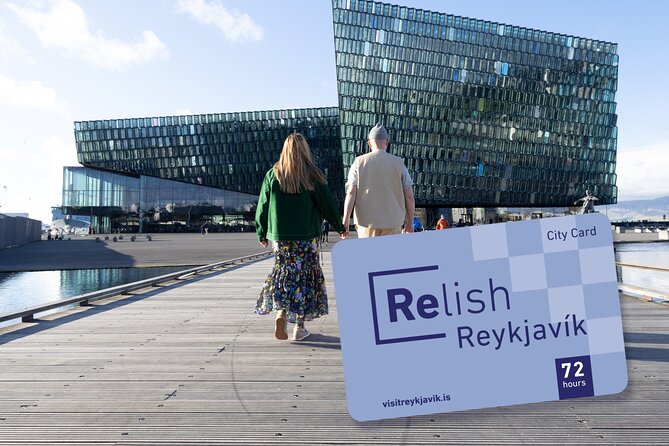
- 72 hours, your timing: Activate when it makes sense for your schedule, not when you bought it.
- Museums and pools included: Many listed museums are covered, and thermal pool entry is part of the deal.
- Transit helps you skip planning: Public buses are included, and a ferry ride is included too.
- Art runs deep: You get multiple Reykjavik Art Museum sites plus major national collections.
- Not every side trip is included: Some popular attractions are only discounted, so check what’s actually free before you build your day.
- You still need the physical card: Exchanging the voucher matters, and it can be a hassle if you only have one tight day.
Price and value: when the City Card actually pays off
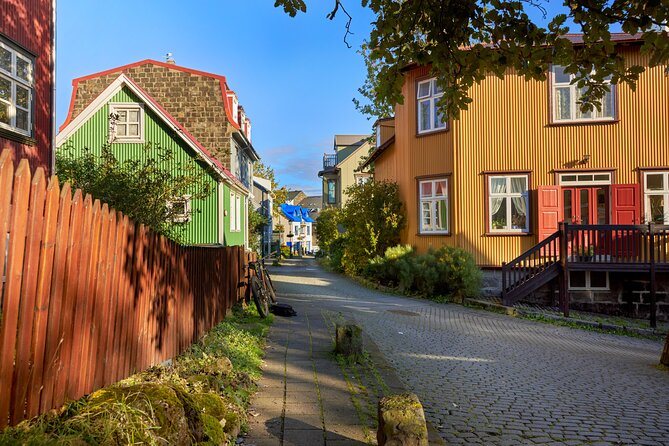
The Reykjavik City Card for 72 hours costs $71.77 per person. That price is the whole idea: you pay once, then you use the included access to museums, thermal pools, and transit to avoid spending little chunks all day.
The card is best value when you do two things:
1) You stack multiple museums and art stops across one or two days.
2) You treat geothermal pools as a normal activity, not a one-time splurge.
If you plan to mostly walk around, do one museum, then call it a day, the card can feel pricey. But if you want to visit different neighborhoods, museum-hop, and soak at least once, it usually becomes a money-saver fast.
Also, the card has an added practical bonus. Reykjavik is easy to explore on foot, but winter or wind makes walking less fun. Having included bus rides helps you keep moving without constantly checking prices.
Getting started: your voucher, the hard card, and how not to waste a morning
This is one of those passes where the first step is boring but important. You need to swap your digital voucher for the Reykjavik City Card hard copy. Until you have the physical card, you can run into limits on buses and museum entry.
So plan like this:
- Build your first day around pickup and your first included stop.
- Don’t schedule the first museum of your trip as if pickup is guaranteed to be instant.
- Keep the card handy once you get it, since you show it for entry and for buses.
A small tip that can save frustration: do your route planning with the card in mind. Several included places are spread across town, and when your time gets tight, bus navigation and walking connectors become part of the day, not a side detail.
Also waiting on skies over Reykjavik
- Reykjavik: Golden Circle Full-Day Tour with Kerid Crater★ 4.8 · 24,485 reviews
- Reykjavik Food Walk – Local Foodie Adventure in Iceland★ 5.0 · 18,952 reviews
- From Reykjavik: Northern Lights Bus Tour with Hot Cocoa★ 4.3 · 13,947 reviews
Day 1 plan: National Museum, National Gallery, and Hafnarhús harbour art
If you want a smooth start, I like an early loop focused on cultural basics and art that’s easy to connect into one day.
National Museum of Iceland: history you can feel
At the National Museum of Iceland, you’re not just looking at objects. The museum is built to help you understand Icelandic cultural history across past, present, and future. Expect a set of exhibits that make Iceland feel less like a place you pass through and more like a society with a timeline.
Why it’s a good first stop: it sets the context for everything else you’ll see later, from settlement-era themes to the way Icelanders value art and community.
Time-wise, plan for about 2 hours. If you’re museum-speedy, you might do it faster. If you read labels, you’ll want that full chunk.
National Gallery of Iceland: Icelandic art, plus heavy international names
Next, the National Gallery of Iceland (Listasafn Íslands). The core focus is 19th and 20th century Icelandic art, but you’ll also see international works. The museum’s collection includes major Icelandic artists, and it features artists such as Pablo Picasso, Edward Munch, Karel Appel, Hans Hartung, Victor Vasarely, Richard Serra, and Richard Tuttle.
The payoff for card holders: this is exactly the type of admission that adds up if you’re paying one-off tickets. With the City Card, you can spend time in the galleries without that nagging thought.
Plan for about 2 hours. If you enjoy looking at how different styles came into Iceland through global art currents, this is a strong use of your included time.
Next clear spell around Reykjavik could go to:


Reykjavik Art Museum Hafnarhús: contemporary art in a former fish warehouse vibe
Reykjavik Art Museum Hafnarhus is in the old harbour warehouse, Hafnarhús. The building matters. It sits in the oldest part of Reykjavik, near where boats and first docks formed the early working city. The warehouse was erected in the 1930s, and it was once one of the biggest buildings in Iceland.
On the art side, the exhibition program is progressive, with both local and international contemporary artists across six galleries. You’ll also find significant pop art connections through the works of Erró.
Why I like this stop in the City Card game: it’s a change of pace from classic museum halls. You get modern art tied to a place that historically did real work.
Give it around 2 hours. If you’re tired of reading label after label, you can still browse here and get a strong sense of the museum’s direction.
Art museum sweep: Ásmundarsafn, Kjarvalsstaðir, and how to pace yourself
Reykjavik’s art scene with the City Card isn’t one museum. It’s several. That’s great for value, but it means pacing matters.
Reykjavik Art Museum – Ásmundarsafn: the white dome and sculpture garden
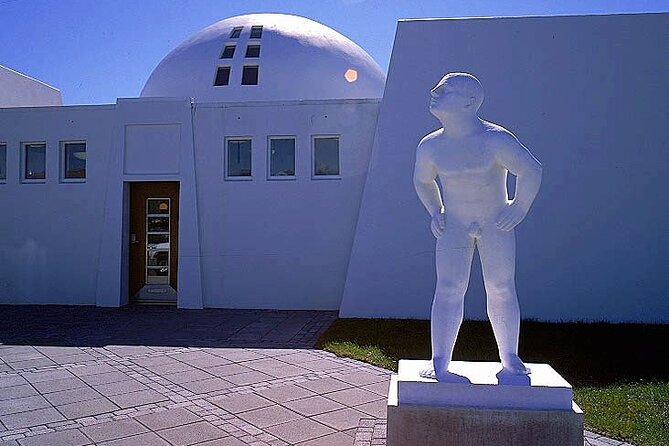
Ásmundarsafn is tied to sculptor Ásmundur Sveinsson, who designed, worked, and lived in the building that now houses part of Reykjavík Art Museum. The exterior is a distinctive white dome, surrounded by Sveinsson’s sculptures, with both earlier massive figures and later lighter abstract compositions.
Inside, the architecture is part of the artwork. The design is inspired by vernacular Mediterranean architecture, and the building itself feels like a separate exhibit.
This stop is shorter than some others, about 40 minutes. If you’re tempted to rush it, don’t. The garden sculptures and the interior design are the main event.
Reykjavik Art Museum Kjarvalsstadir: Nordic modernism meets park views
Kjarvalsstaðir focuses on the work of Jóhannes S. Kjarval, one of Iceland’s most influential and recognized artists. The exhibitions center on paintings and sculptures by modern art masters.
The building is also worth your time. It’s a fine example of Nordic modernism with floor-to-ceiling windows looking onto Klambratún Park.
If you like art plus architecture plus a place to cool down, this is a well-rounded stop. Expect about 1 hour.
Practical pacing tip
If you’re doing multiple art museums in one day, aim for a rhythm:
- One national collection type stop.
- One contemporary or place-driven museum stop.
- One shorter sculpture or window-view stop.
That way you keep your brain awake, not just your legs moving.
History and culture in focused slices: Reykjavik 871±2, settlement life, and the Maritime Museum
Iceland’s story is short on patience but long on layers. These two stops give you very different angles on the past.
Reykjavik Maritime Museum: Fish & folk, with the city’s fishing identity
The Reykjavik Maritime Museum uses its setting to tell the story. The exhibit Fish & folk covers 150 years of fisheries in Iceland, from rowing boats giving way to large fishing vessels in the late 19th century, through to the 21st century.
The viewpoint is Reykjavík’s biggest fishing port, and the building once housed a flourishing fish factory, which fits the theme.
You’re looking at about 1 hour. If you like how museums use context, this one is solid because the building supports the subject.
The Settlement Exhibition: Reykjavik 871±2, the human start point
The Settlement Exhibition Reykjavik 871±2 focuses on the settlement of Reykjavík based on scholars’ theories and what heritage sites in central Reykjavik can tell us about early life and work.
The centerpiece is the remains of a hall excavated in 2001, inhabited from 930 to 1000. North of the hall are two pieces of turf, remnants of wall built shortly before 871, making this one of the oldest man-made structures found in Iceland so far.
Plan for about 40 minutes. It’s not long, but it hits. Even if you’re not a history person, this is the kind of exhibit that makes the timeline feel real.
Photography and island time: Reykjavík Museum of Photography and Viðey
These two stops work well when you want variety and a less museum-heavy mood.
Reykjavik Museum of Photography: historical and contemporary through an Iceland lens
The Reykjavík Museum of Photography features exhibitions focusing on Icelandic photography, plus works by foreign photographers. You’ll see both historical and contemporary photography presented in artistic, social, and cultural context.
Time target is about 40 minutes.
What I like about this for City Card days: photography is a great brain break between art-heavy stops. You still get meaning, but the format tends to move faster than a room full of paintings.
Viðey Island: nature, birds, and modern art
Viðey Island is a different kind of included stop. The island is unspoiled and known for birdlife, while modern art works are also part of the experience. It’s tied to Icelandic history, and it feels like a chance to reset when the city museums start stacking up.
Plan roughly 2 hours. If weather is rough, you might adapt your timing, but build in buffer because island conditions can affect how long you want to stay.
Thermal pools are the star feature: geothermal swims with the City Card
If you do only one thing with this card, I’d choose pools. Reykjavík thermal pools are a core part of how locals live with the weather.
The card includes admission to multiple public thermal pools, and each one follows the same geothermal idea: heated with geothermal water. Pools offer steam baths, saunas, hot tubs, and jacuzzis.
Included pool stops on the card list include places such as:
- Grafarvogslaug
- Sundhollin Public Baths
- Arbaejarlaug swimming pool
- Laugardalslaug
And more across the city.
A few are marked free on the list, but the key point for you is that thermal pool entry is part of the deal, not an add-on. That makes your day cheaper and also more enjoyable, because you can plan a museum block, then move into warm water without paying full admission again.
Scheduling tip that actually matters: do pools earlier in the day if you can. By evening, you may find yourself tired, and you’ll enjoy a sauna more when you’re not dragging.
More included culture and hands-on fun: open-air farms, city museum places, and Kópavogur museums
The City Card doesn’t keep you only inside Reykjavik proper. It also reaches into Kópavogur and nearby areas, which is great for variety.
Árbær Open Air Museum: a farm town feel in the city
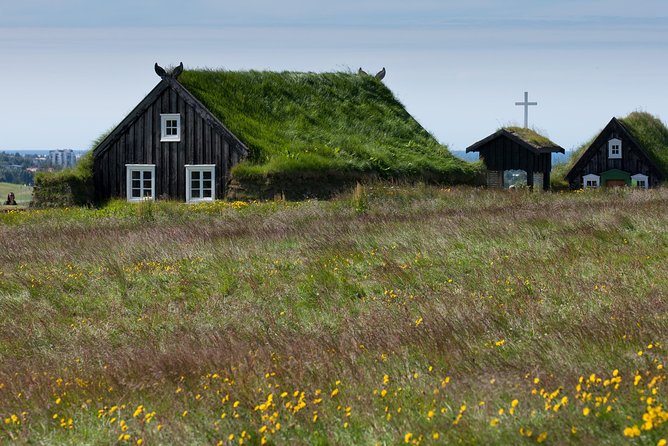
Árbær was an established farm well into the 20th century. The open air museum opened there in 1957, and now it has more than 20 buildings forming a town square, village, and farm. Many buildings were relocated from central Reykjavík.
Expect about 2 hours. It’s a nice outdoor complement when you’ve spent a lot of indoor time at museums. Even if it’s cool, it helps you understand how people lived beyond the city center.
The Culture House: Points of View across Iceland’s big institutions
At the Culture House, the permanent exhibition Points of View is a journey through the visual world of Iceland. It combines themes around works and objects from six major Icelandic cultural institutions, mixing artworks in various mediums with museum objects, books, and maps.
This one is about 2 hours.
The value here is that it’s cross-institutional. It can help you connect names and themes you saw elsewhere, without requiring you to do a separate ticket for each museum type.
Aðalstræti 10: a small stop in Reykjavík’s five-place City Museum
Aðalstræti 10 is a museum and exhibition space as part of Reykjavík City Museum, one museum in five unique places.
It’s a short stop, around 30 minutes, which makes it easy to fit between longer museums.
Sigurjón Ólafsson Museum: one sculptor, one strong focus
The Sigurjón Ólafsson Museum is dedicated to Icelandic sculptor Sigurjón Ólafsson. It was founded in 1984 by the artist’s widow Birgitta Spur, using the artist’s studio at Laugarnes as the exhibition space.
Give it about 50 minutes. If you like sculpture, this stop is a satisfying change from painting-heavy museums.
Hafnarfjörður art and local town history: Hafnarborg and the Hafnarfjordur Museum
Hafnarborg is an art museum in central Hafnarfjörður and presents 8 to 10 art exhibitions each year. You’ll see both historic Icelandic art and more experimental contemporary work. The card list marks Hafnarborg as free.
The Hafnarfjörður Museum covers the town’s history across several buildings around the center, also marked free on the card list. It takes about 1 hour.
These two are good for a day when you want to step outside the Reykjavik-only bubble.
Natural History Museum of Kópavogur: geology and Icelandic wildlife
Gerðarsafn is the art museum in Kópavogur, but Natural History Museum of Kópavogur is the science side. It splits into two categories:
- geological, focused on Iceland’s formation and major rock and mineral types
- zoological, mostly about Icelandic birds, mammals, fish, and invertebrates
Staff guidance is free if you request it, and it can be tailored to interest, age, and language. It’s about 1 hour.
If you’re traveling with anyone who likes animals or rocks, this can be a strong included use of your time.
Gerðarsafn and the unique angle of a female-artist memorial museum
Gerðarsafn is a progressive museum with modern and contemporary art, including temporary exhibitions for Icelandic and international artists plus the museum collection. The exhibition program reflects that it is the only Icelandic museum built in honor of a female artist.
It’s about 1 hour.
Family park and zoo: small in scale, fun in spirit
Reykjavik Family park and Zoo is described as not just farm animals. You’ll find Icelandic farm animals, plus mammals from the country’s wildlife, and a small exhibition of reptiles, amphibians, and insects.
It’s about 2 hours. The card list includes it with admission.
One practical note for expectations: the card data says it’s a family park and zoo, but if you expect a large wildlife park, you might find it smaller than you imagine. Still, it’s a nice included option for a lighter day.
Buses and ferry ride: how to move without losing your day
The card includes public bus access, and it includes a ferry ride too. That matters in Reykjavik because stops are spread out, and wind and cold can make long walks less pleasant.
In practice, I recommend treating buses as a support system:
- Use them to connect between museum clusters.
- Walk when it’s fast and safe, and when time matters.
- If you have timed entry, build buffer. Getting to one stop on time is easy. Getting to the next one if the schedule feels tight is where planning helps.
Also, you can use Google Maps to figure out bus routes. When the system is working, it makes Reykjavik feel easy to navigate.
If you’re moving between pool sites too, buses can save you from backtracking.
Who should book the Reykjavik City Card, and who might skip it
This card is a great fit if you:
- want to see lots of museums and art in a short window
- plan to use geothermal pools more than once
- like having a simple plan where entry costs are already covered
- want transit help so you can explore different neighborhoods
You might skip it if you:
- prefer a slow sightseeing pace and only want one museum day
- don’t care about thermal pools at all
- plan to fill most time with attractions not covered or only discounted by the card
The moderate physical fitness note is worth respecting. Several stops require walking between areas and getting yourself to bus or ferry points. If you’re moving through cold weather and stairs, plan for that.
Should you book the 72-hour Reykjavik City Card?
Yes, if your Iceland plan includes museum hopping plus geothermal pools. The card is most valuable when you turn it into a daily rhythm: museum block in the cold, pool time in the warmth, then back out again.
If you’re only doing a couple of paid attractions, it may feel like you’re buying convenience more than savings. In that case, compare how many included museums and pools you genuinely plan to use.
My call: book it if you want Reykjavik to feel like a city you actually explored, not just a checklist you survived.
FAQ
What’s included with the Reykjavik City Card for 72 hours?
The card includes admission to museums, admission to thermal pools, admission to the family park and zoo, public bus use, and a ferry ride. It also offers discounts at other places.
Do I need to exchange a voucher before I can use the card?
Yes. You need to swap your digital voucher for the Reykjavik City Card before you can use it.
How long is the card valid?
It is valid for 72 hours, and you can choose when you want to activate it.
Is the card offered in English?
Yes. The card is offered in English.
Are thermal pools included?
Yes. Admission to thermal pools is included, and the card lists multiple Reykjavík public thermal pools with geothermal water and facilities like saunas and hot tubs.
What is the cancellation policy?
Free cancellation is available up to 24 hours in advance for a full refund. If you cancel within 24 hours of the experience start time, the amount paid is not refunded.
Fresh on the forecast for Reykjavik
- Iceland Game of Thrones Tours
★ 5.0 · 7 reviews - Reykjavik Private 4-Hour Tour with Transfer
★ 5.0 · 7 reviews - Thórsmörk, Valley of Thór | Private Tour | PRO Photos Included
★ 5.0 · 7 reviews - Reykjavik: Golden Circle Tour & Laugarás Lagoon Entry
★ 4.7 · 7 reviews - Reykjavik: Private Golden Circle and South Coast Tour
★ 5.0 · 7 reviews - Reykjavik: Small-Group Northern Lights Tour with Pickup
★ 5.0 · 7 reviews - Reykjavik: Golden Circle Super Jeep Tour with Snowmobiling
★ 4.9 · 7 reviews
City Tours, compared.
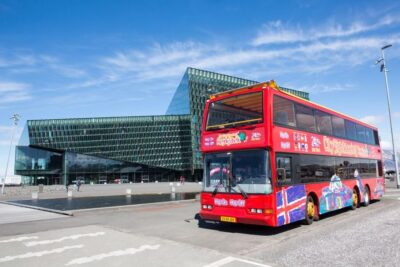

City Sightseeing Reykjavik Hop-On Hop-Off Bus Tour: 24 or 48-Hour
Read our review →
City Walking tour in Small Group with Local Guide
Read our review →

Browse the lists this tour appears in