
REVIEW · VOLCANO CRATERS & LAVA FIELDS
Reykjanes Peninsula: Super Jeep Volcano Shuttle Tour
Warm lava, fast jeeps, and real geology. This Super Jeep shuttle takes you into Reykjanes’ youngest volcanic zone with fresh lava right in front of you and a ride built for rough ground, not smooth roads. You get a small-group tour, plus an English-speaking local guide who turns strange rocks into a story you can actually picture, especially around the Geldingadalur, Fagradalsfjall, and Sundhnúkagígar areas.
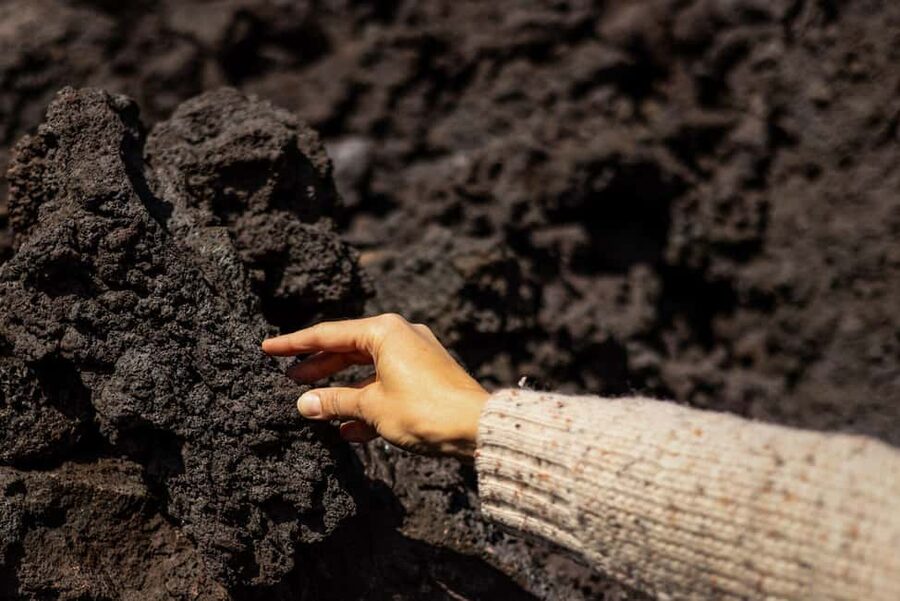
Two things I really like: you get 2021 Geldingadalur viewpoints with sweeping looks over the lava fields, and you also have a chance to touch newly formed lava, including that surreal feeling of heat coming off the rock. Second, the viewpoints are chosen for geology, so you’re not just driving from one photo spot to another, you’re watching how the eruption keeps rewriting the ground.
One consideration: the route includes a steep mountain track section, so this tour is not a good fit if you have a fear of heights.
In This Review
- Key things to know before you go
- Why Reykjanes feels different than “standard” Iceland
- Getting to the Super Jeep: meet at Geldingadalir P1
- Super Jeep ride time, and what off-road actually means here
- Stop 1: Geldingadalir Volcano and the 2021 lava fields
- Stop 2: Fagradalsfjall Volcano photo time and a breather
- Stop 3: Reykjanes Peninsula viewpoints that make the lava feel real
- Stop 4: Sundhnúkagígar lava fields from 2023 to 2024
- When the volcano is active, the tour changes
- The best moment: feeling the heat and touching new lava
- Guide time: how Toby-style storytelling makes geology click
- Price and value: is $127 worth it?
- Who should book this tour, and who should skip it
- A practical packing checklist for lava weather
- Should you book the Reykjanes Super Jeep Volcano Shuttle Tour?
Key things to know before you go
- Super Jeep access gets you to dramatic points that most tours skip.
- Three distinct volcanic stops focus on different eruption periods and styles.
- Fresh lava, recent timeframes from 2021, plus 2023 and 2024 fields.
- Touch and heat experience gives you a rare physical connection to the eruption.
- Guide storytelling matters, with guides like Toby using personal field knowledge.
- Steep track warning makes this less ideal for anyone uneasy on heights.
Why Reykjanes feels different than “standard” Iceland
Reykjanes Peninsula is where Iceland’s volcano machine shows up young. You’re not looking at ancient, softened shapes, you’re seeing a ground surface that still feels new. That matters because the scenery changes when the rock is fresh, dark, and still warm, and your brain instantly understands the scale of the eruption.
This tour is built around that idea: you’re not stuck far away behind fences and signboards. The Super Jeep approach aims to put you closer to the story, while still keeping the experience safe and guided.
Getting to the Super Jeep: meet at Geldingadalir P1
You meet at Geldingadalir Volcano Parking Lot P1, near Fagradalsfjall. The easiest navigation is Road 427, also known as Suðurstrandarvegur. When you arrive, look for the small container house marked Volcano Shuttle.
Plan to arrive about 10 minutes early, since facilities are limited. The tour timing is tight enough that early arrival helps you settle your gear, get your shoes sorted, and feel ready before the off-road portion starts.
More tyre pressure dropped for the rivers:
- From Vik: Katla Ice Cave and Super Jeep Tour★ 4.6 · 2,110 reviews
- Jökulsárlón: Crystal Ice Cave Super Jeep Tour★ 4.1 · 1,681 reviews
- From Vik: Katla Ice Cave & Super Jeep Tour★ 4.6 · 1,450 reviews
Super Jeep ride time, and what off-road actually means here
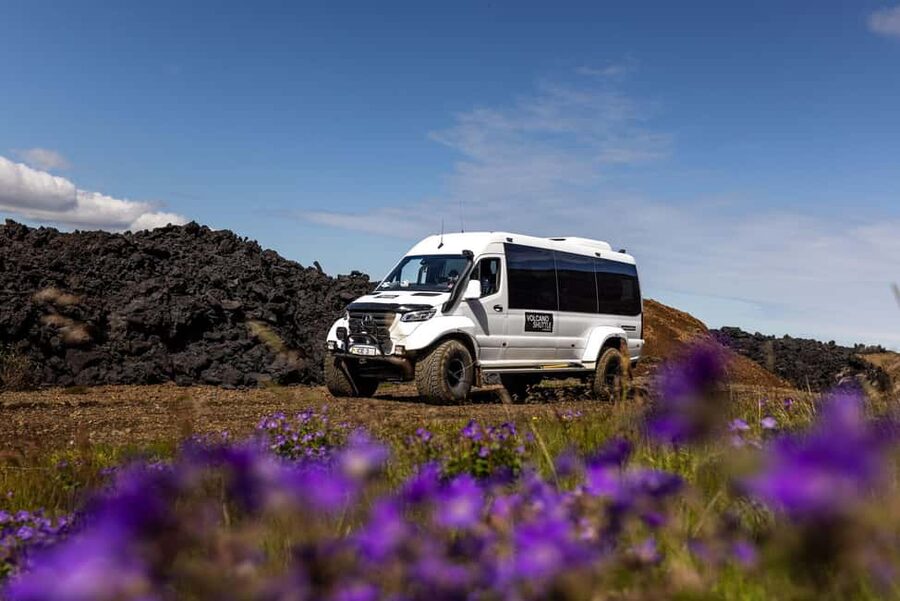
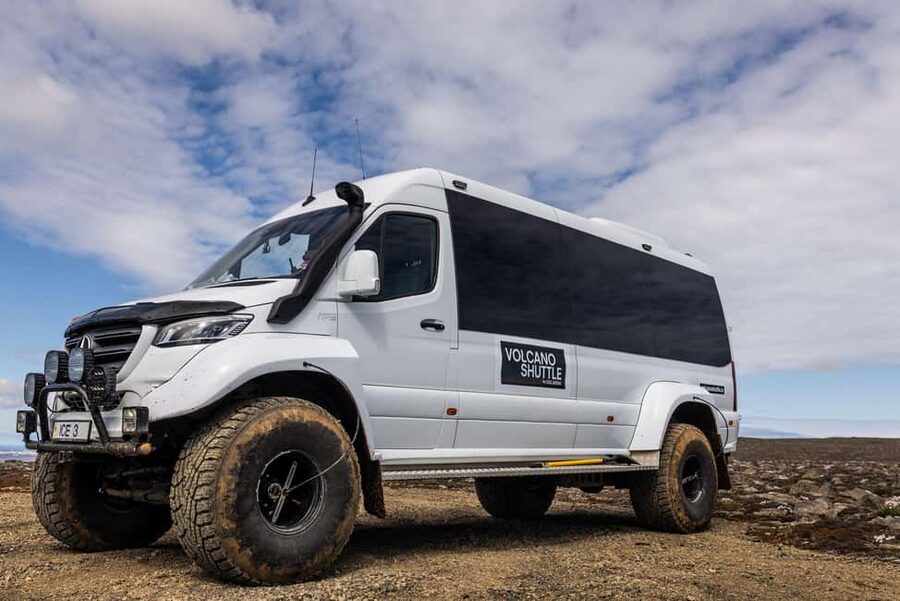
This isn’t a gentle drive. You’ll ride in a specially modified Super Jeep designed for the terrain, with short transfers between the main stops. Those transfer segments are part of the experience, because you can feel the change from paved access to rough volcanic ground.
The vehicle also affects the kind of views you can get. When a tour can reach steep viewpoints safely, you get broader panoramas and a better angle on how lava flows fill valleys and spread outward. You’ll also have a smoother time photographing, because you’re stopping at real lookouts rather than trying to frame everything from moving car windows.
Stop 1: Geldingadalir Volcano and the 2021 lava fields
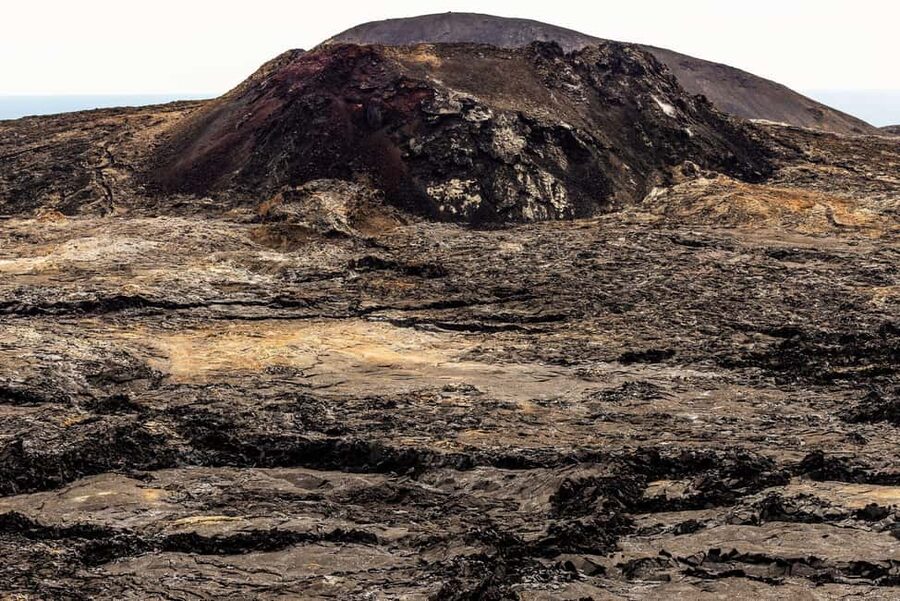
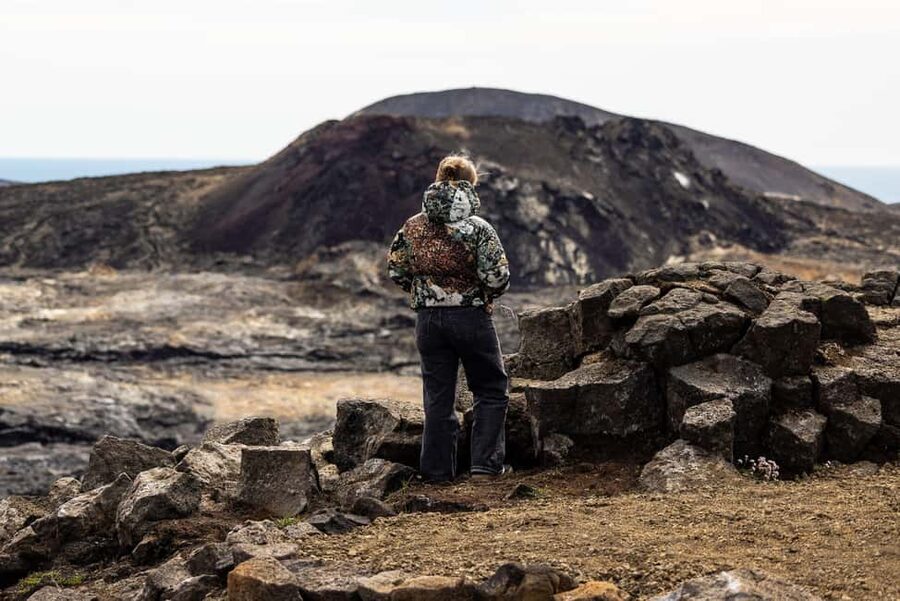
The tour starts with a photo stop and sightseeing at Geldingadalir Volcano. This is a great first stop because it gives you a big-picture view over the Geldingadalir lava fields, linked to the dramatic eruption in 2021, the first in Reykjanes in nearly 800 years.
What makes this stop valuable is how it sets the timeline. You see the fresh fields, then later you compare them with younger lava from other eruptions. That comparison is the whole point. Without it, you’d just collect dark rock photos. With it, you start thinking like a geologist, even if you’re just a normal camera-carrying human.
Photo tip: bring a camera you can switch quickly between wide shots and tighter details. At this stage, wide shots tell the scale, while close-ups help you notice textures and flow patterns.
Stop 2: Fagradalsfjall Volcano photo time and a breather
Next comes the Fagradalsfjall Volcano break time, with another photo stop and sightseeing. This is where the tour keeps the momentum but gives you a short reset. Even a brief break helps because the weather on Reykjanes can change fast, and you want enough energy for the up-close lava moment later.
Why Fagradalsfjall works as a mid-tour stop: it shifts your view from “what happened in one eruption” toward “how eruption areas connect.” If you’re paying attention, you’ll start noticing how the ground reads like layers of events. One field tells one part of the story, then the next stop adds another chapter.
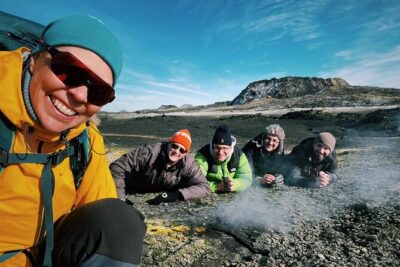
More craters still warm underfoot:
Stop 3: Reykjanes Peninsula viewpoints that make the lava feel real
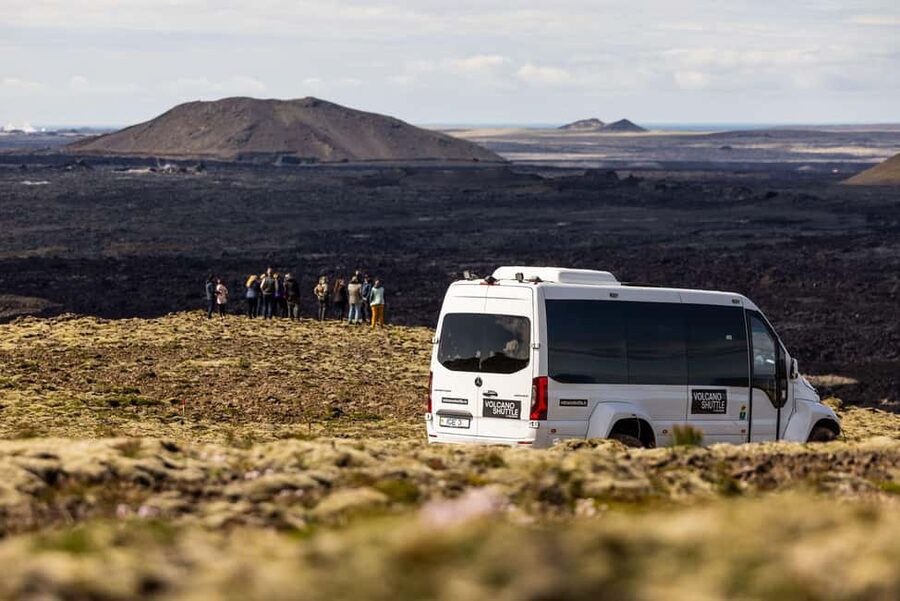
You’ll get an additional photo stop and sightseeing in the Reykjanes Peninsula area. Think of this as the in-between stage where your eyes adjust and you learn what to look for. Fresh lava can look repetitive from a distance, all black and jagged, but once you see multiple angles, it stops being confusing.
This stop also helps you slow down before the final, up-close experience. Many tours skip the pacing, and you end up rushing through the best part. Here, the final lava moment feels like it’s building rather than arriving suddenly.
Stop 4: Sundhnúkagígar lava fields from 2023 to 2024
The next major area is the Sundhnúkagígar lava fields, created by eruptions in 2023 and 2024. This matters because younger lava typically looks more stark, darker, and more sharply defined.
What you’ll get from this stop is contrast. You compare earlier lava textures and spreads with the newest fields, then your photos stop being just proof you were there. They start showing evidence of time.
If the conditions are good, this is one of the best places for epic photo ops, because the black lava can provide strong visual separation from the lighter ground around it. That makes your images punchier without needing fancy editing.
When the volcano is active, the tour changes
One of the smartest features of this tour is that your route can shift based on volcanic activity. When the volcano is active, you head straight toward the eruption site, getting as close to the lava as safety allows.
When it’s dormant, you follow the three-stops style: three volcanic sites with unique geological features and panoramic views. Either way, you still get the core value, which is geology in real space, not just at a distance.
This is also the part where your expectations should stay flexible. If activity is happening, you’ll get the closest, most dramatic experience. If it’s quiet, you’ll still see stunning volcanic fields, but it may feel less like an eruption is happening in real time.
The best moment: feeling the heat and touching new lava
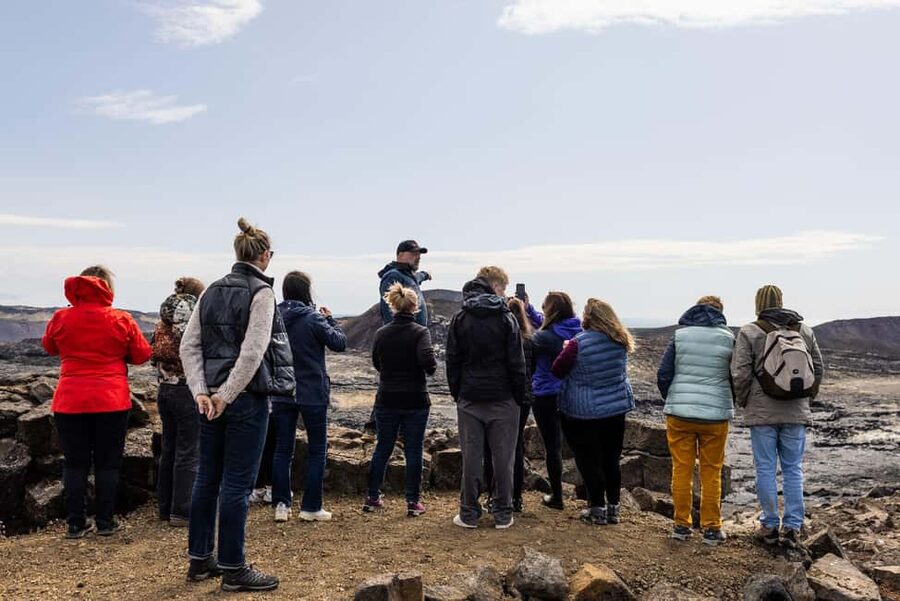
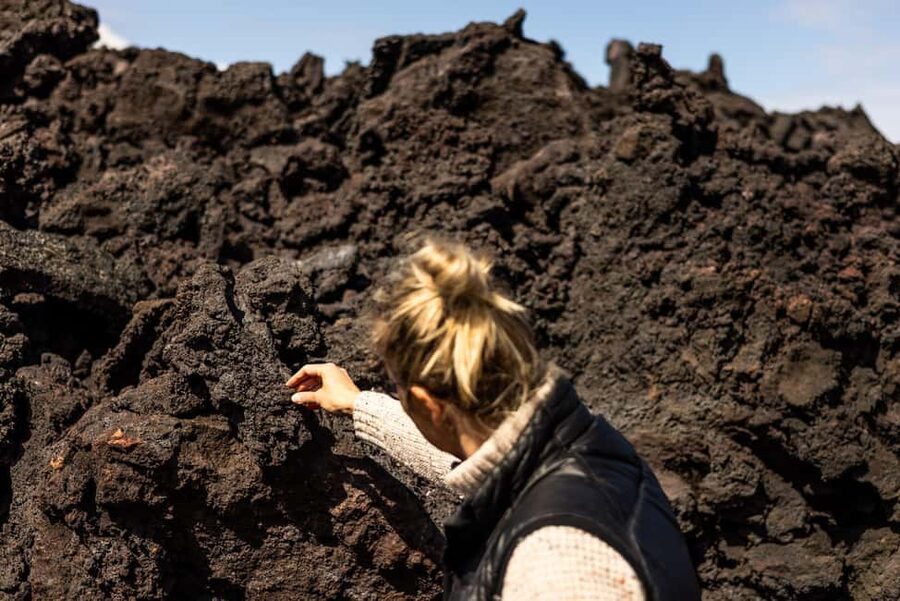
The finale is the closest interaction with the newest lava. You’ll feel heat still radiating from the ground, marvel at the scale of the flow, and you even have a chance to touch the rugged, newly formed lava. This is the kind of experience you remember because it hits more than one sense at once.
Why this matters for most people: seeing lava on a screen is one thing, but experiencing heat coming off a surface that formed recently changes how you understand the eruption. It’s not only dramatic, it’s educational in the most practical way possible.
Quick comfort note: wear weather-appropriate clothing and comfortable shoes, because you’ll be standing and moving on uneven ground. A jacket you can layer helps, since Iceland weather is rarely one-note for long.
Guide time: how Toby-style storytelling makes geology click
A strong guide turns rocks into a narrative. In this tour, that’s the difference between watching lava and actually learning why it looks the way it does.
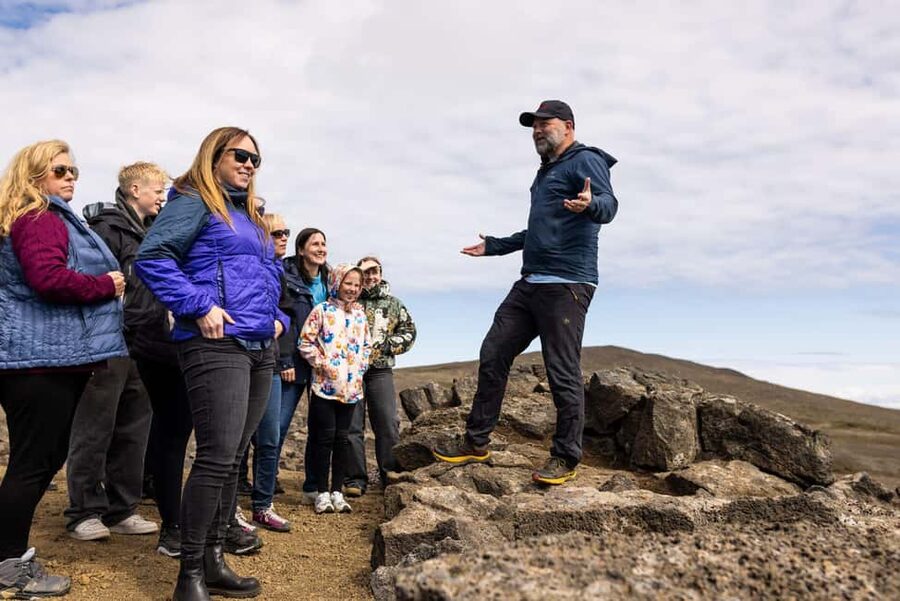
In the local guide stories, people specifically praised the guide named Toby for being entertaining and educational, with humor and real-world context drawn from past experiences. That style matters because volcano science can sound abstract fast. But when the guide uses simple explanations tied directly to what you’re seeing at each stop, the information sticks.
Here’s what I think you should look for during your tour: ask questions at the viewpoints. If you’re curious about flow direction, textures, or what formed during which eruption window, that is exactly what the guide is there for. Small-group setups make it easier to get answers instead of only listening to one-way narration.
Price and value: is $127 worth it?
At $127 per person for a 100-minute tour, you’re paying for three things: access, vehicle capability, and expert guidance in a place that is not easy to reach on your own.
If you try to DIY Reykjanes geology, you’d likely spend most of your time driving and still end up farther away than you want. This tour includes a Super Jeep ride and stops at specific viewpoints designed to show you fresh volcanic fields, including one up-close lava moment. That combination is hard to replicate without local know-how.
That said, value depends on timing. One reviewer felt the tour was overpriced when the volcano was not active and the views did not feel worth it. I take that seriously, because your experience will hinge on conditions. If the eruptions are quiet, you’re still getting impressive landscapes in the literal sense of geology and lava fields, but it may feel less dramatic than when activity is ongoing.
So my advice is simple: if your top goal is proximity to the action, you’ll likely feel the best value during more active windows. If your goal is geology views and a hands-on lava moment, this can still feel like a solid deal, since the tour is built specifically around fresh fields and guided interpretation.
Who should book this tour, and who should skip it
This tour is a good match if you want real volcanic scenery in a short time and you like being able to get close safely. The small group format also helps. You get off-road access without feeling like you’re stuck in a long bus schedule.
You should skip if you have a fear of heights. The route includes a steep mountain track leading to one viewpoint. Even though the Super Jeep ride is designed to be safe, the walking and positioning around a steep section may feel too intense.
You’ll also get the most out of it if you’re comfortable with the weather. Bring the right clothing and shoes, because you’ll be outside, standing for photos, and moving around lava terrain.
A practical packing checklist for lava weather
Bring comfortable shoes that handle rough, uneven ground. Wear weather-appropriate clothing, since wind and rain can appear out of nowhere. A camera helps, but it doesn’t have to be fancy, because the lava fields are high-contrast and photogenic.
If you’re sensitive to cold or wet, layer. You want to be warm enough to focus on the views instead of thinking about your fingers.
Also, don’t plan on easy facility breaks. Facilities are limited, so treat this like a short outdoors outing rather than a sit-down sightseeing day.
Should you book the Reykjanes Super Jeep Volcano Shuttle Tour?
If you want a fast, guided way to see Iceland’s youngest lava fields with Super Jeep access, I’d call this a strong choice. The best parts are the multi-stop geology plan and the rare chance to feel heat and touch new lava. Those are not add-ons. They’re the reason this tour exists.
Book it if you’re comfortable with off-road terrain and you do not have a fear of heights. If you want eruption action at closer range, keep an eye on activity, because your route can shift when it’s active.
Skip it if steep sections would stress you out. And if you’re visiting during a quieter volcanic stretch, go in with the mindset that you’re here for fresh lava fields and guided geology, not necessarily peak eruption spectacle.
Fresh on the forecast for Reykjanes
- Private Airport Transfer from Keflavik airport to hotels in Reykjavik area
★ 5.0 · 9 reviews - Keflavik To Reykjavik Private Luxury Airport Transfer
★ 4.5 · 11 reviews - Private Airport Transfer
★ 5.0 · 15 reviews - Keflavik Airport Private Transfer To/From Reykjavik cruise Ports
★ 4.5 · 27 reviews - Blue Lagoon: Retreat Spa Experience & Private Changing Suite
★ 4.7 · 40 reviews - Reykjavik International Airport Private Arrival Transfer
★ 4.5 · 195 reviews - Blue Lagoon: Premium Admission with Drinks and Face Masks
★ 4.7 · 348 reviews
Volcano Craters & Lava Fields, compared.
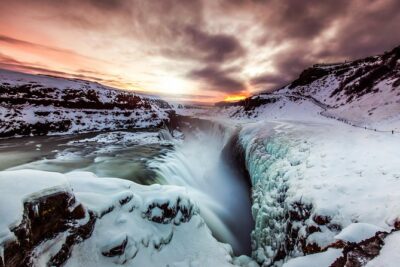
Golden Circle, Volcano Crater and Blue Lagoon Small-Group Tour
Read our review →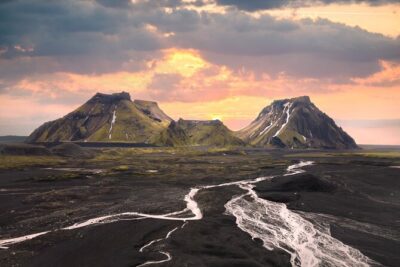
Ice Cave by Katla Volcano Super Jeep Tour from Vik
Read our review →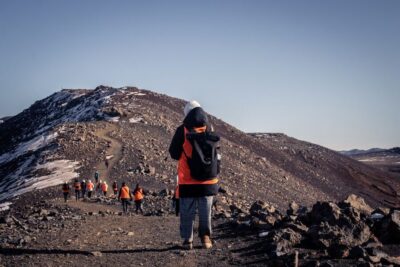
Volcano Eruption Site and Reykjanes Hiking Tour
Read our review →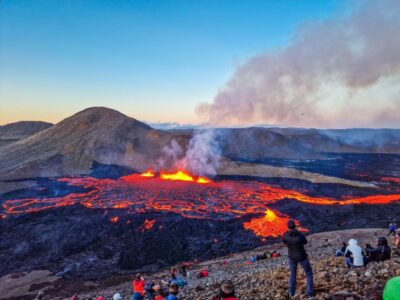
Guided Afternoon Hiking Tour to New Volcano Site
Read our review →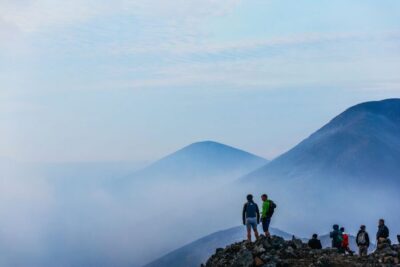
Iceland Hiking Tour to Fagradalsfjall Volcano with Local Guide
Read our review →Browse the lists this tour appears in