
REVIEW · WHALE & ORCA WATCHING
Ólafsvík: Whale Watching Tour
Whales feel closer when you sail under a glacier. This 3-hour boat tour from Ólafsvík runs along the Snæfellsnes Peninsula with Snæfellsjökull towering offshore as you scan for whales.
I love the setting. That glacier backdrop makes every wildlife sighting feel bigger, even before you spot anything.
My second favorite part is the real shot at seeing orcas plus other top predators like sperm whales and pilot whales, when the season lines up. The guides keep searching rather than giving up after one quick sighting. One drawback: if you are prone to seasickness, this is not for you, so plan accordingly.
In This Review
- Key things that make this whale watch work
- Ólafsvík and Snæfellsnes, the view that sets the tone
- What you might see: orcas, sperm whales, pilot whales, and the seasonal mix
- Orcas (killer whales)
- Sperm whales
- Pilot whales
- Other possible sightings
- How the 3-hour cruise usually unfolds (and why it matters)
- 1) Meet your English-speaking guide, then board
- 2) Cruise along Snæfellsnes, scanning for blows and movement
- 3) Stay flexible if the whales are active
- 4) Return after the 3-hour window
- Comfort and safety: warm gear and the seasickness reality
- What to bring
- What not to do
- If you get seasick
- Price and value: what $119 buys you (and what it does not)
- Odds get better when you think like the ocean
- Who should book this whale watch from Ólafsvík
- Booking mindset: the smart way to choose your day
- Should you book this Ólafsvík whale watching tour?
Key things that make this whale watch work
- Snæfellsjökull glacier views from the boat make the whole cruise feel like more than just wildlife watching
- Seasonal odds for specific whales along the Snæfellsnes coastline
- A guide who stays active when whales appear, including shifting to different groups when possible
- Late-summer species changes mean you might see a different mix than spring
- A straightforward 3-hour format that maximizes time on the water without turning into a whole day
Ólafsvík and Snæfellsnes, the view that sets the tone
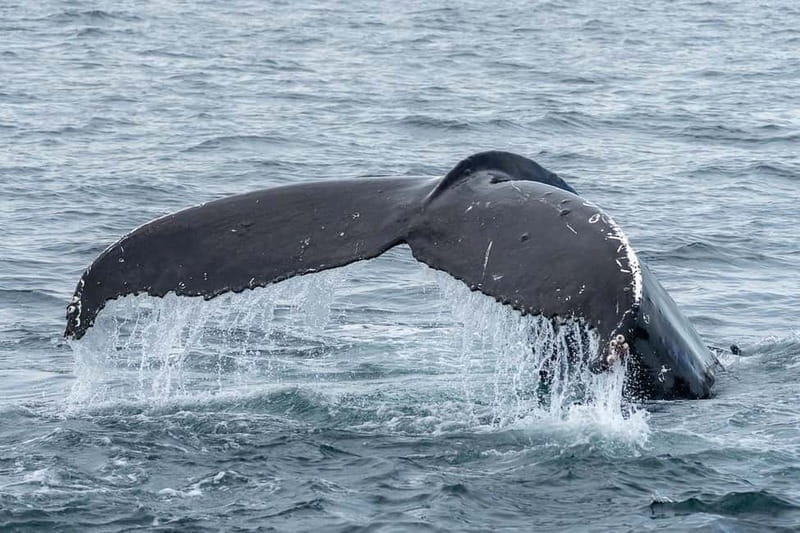
Ólafsvík is a strong base for whale watching because the coastline faces out into the kind of ocean where big whales travel and hunt. On this tour, you head out from the port area and cruise along the Snæfellsnes Peninsula, keeping your eyes open as you move through the water near Snæfellsjökull Glacier.
What I like about this setup is how it changes your perspective. From land, glaciers look like postcards. From the sea, that glacier becomes a real landmark you can aim your attention toward. Even when you are not seeing whales instantly, you are still getting a dramatic Iceland coast ride, with the glacier visible enough to keep your bearings.
And because the tour is only 3 hours, you are not stuck waiting around for a full day. You are out, scanning, and returning while the weather window and ocean mood are still favorable.
What you might see: orcas, sperm whales, pilot whales, and the seasonal mix
This is not a one-species guarantee tour. It is a natural-habitat search, and your best results depend heavily on timing. The good news is that the coastline here has a track record for certain whale groups at certain times of year.
Here’s the pattern the tour notes emphasize:
More blows spotted from the rail:
- Reykjavík: Whale Watching and Marine Life Cruise★ 4.6 · 9,838 reviews
- Reykjavík: Whale Watching Cruise on the Amelia Rose Yacht★ 4.5 · 2,911 reviews
- The Original Classic Whale Watching from Reykjavik★ 4.5 · 2,626 reviews
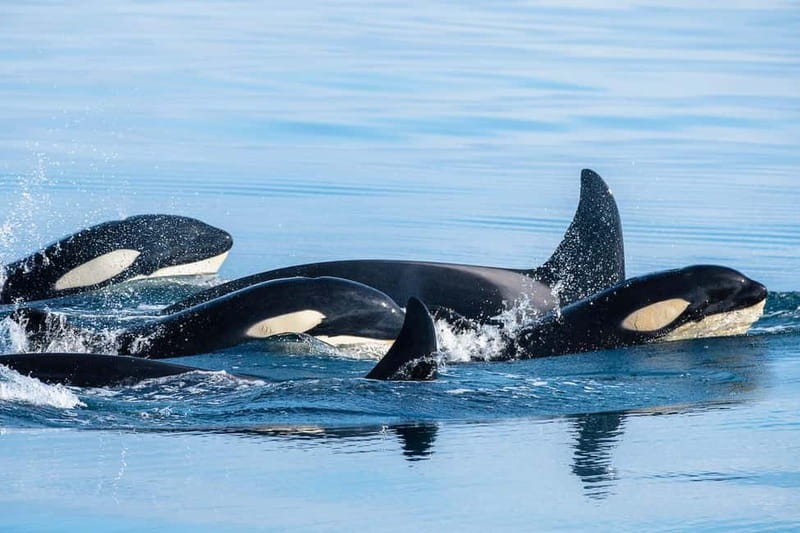
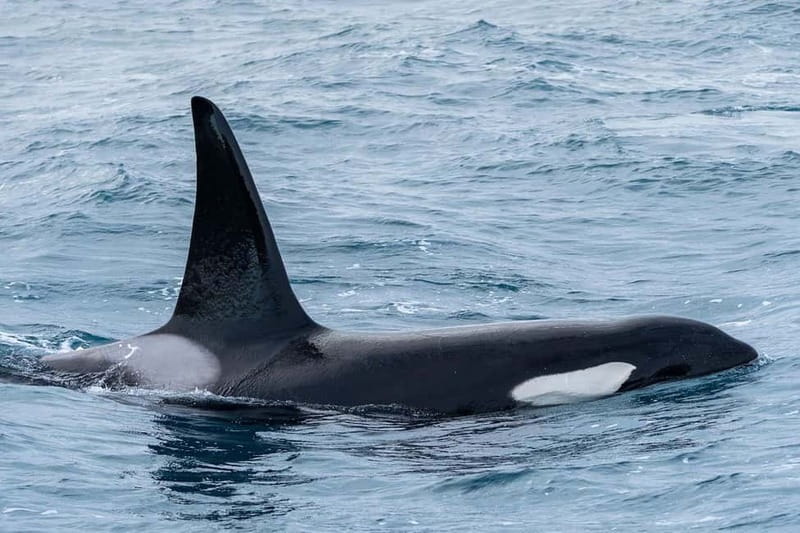
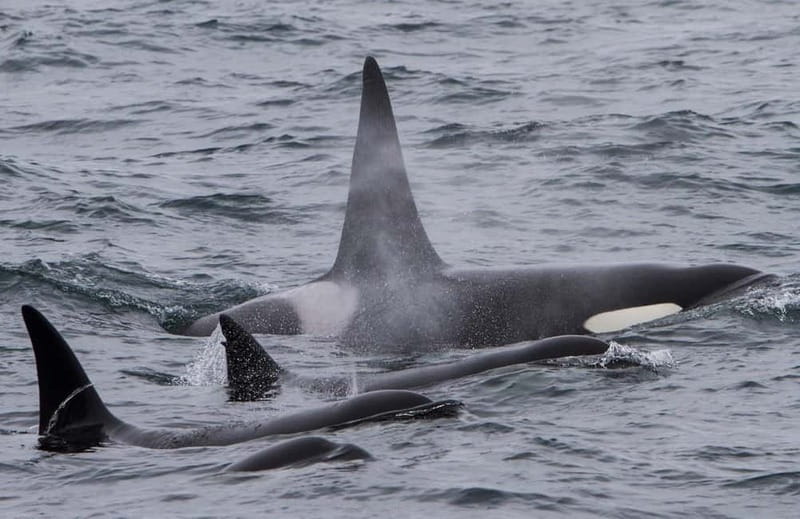
Orcas (killer whales)
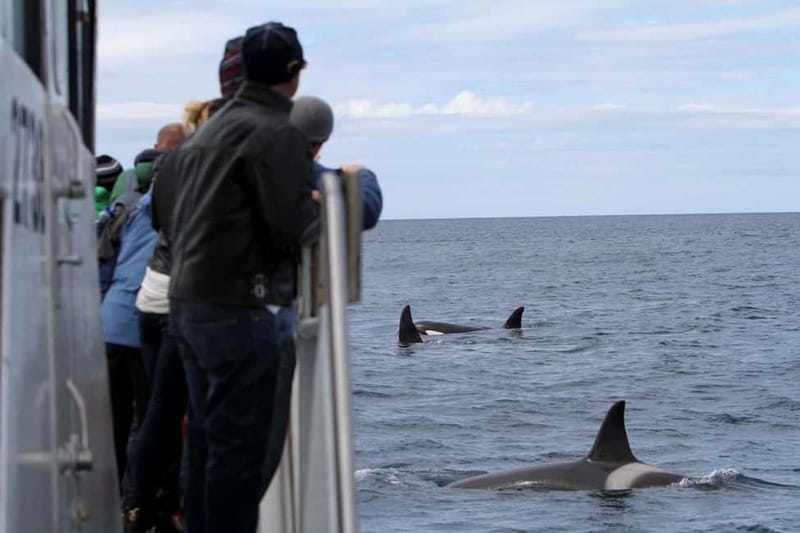
Orcas are more often spotted in winter, spring, and early summer, roughly February through early July. There is still a chance later in summer, but by September the mix tends to shift to other species.
In practical terms, that means if your trip is in the first half of the year, you are chasing a more specific target. If you are traveling in late summer or early autumn, you need to be ready for a different kind of whale day. Not worse, just different.
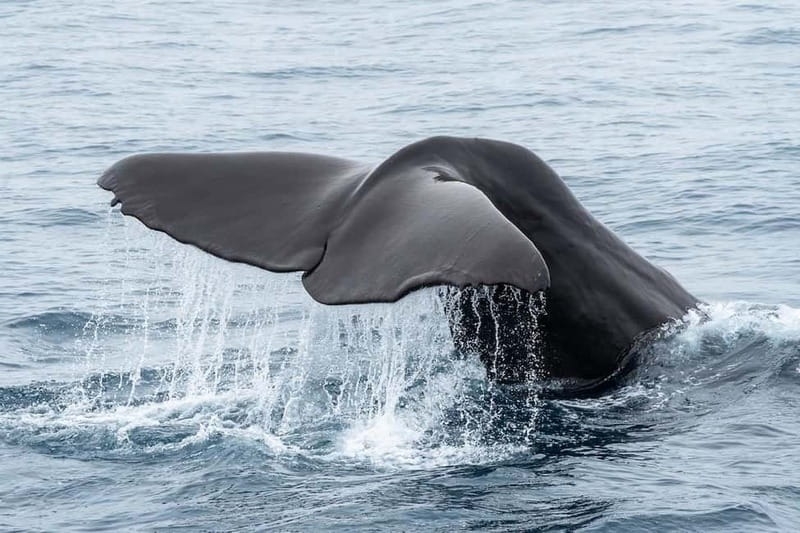
Sperm whales
Sperm whales are highlighted for the March to June window, mostly seen out in deeper water. The tour also notes that they can sometimes show up later in the year, but your odds are best in that spring window.
Why this matters to you: sperm whales are the kind of species people remember for the rest of the trip. They are not always the easiest to find, so having the right month on your side makes the experience feel more intentional.
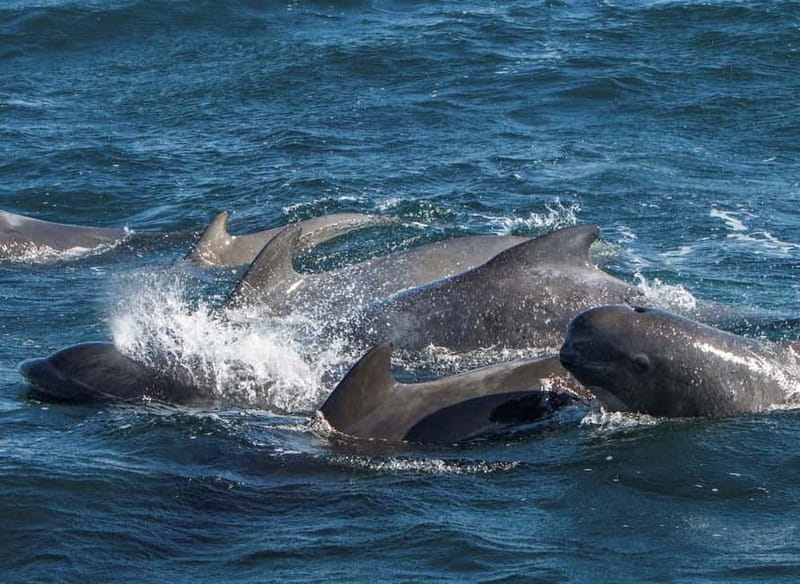
Pilot whales
Pilot whales are also part of the core target list. The seasonal guidance points to more sightings in late summer and into autumn.
Pilot whales can make the trip feel busier because they are often easier to track than you’d expect, depending on conditions. So even if orcas are not active that day, you might still leave feeling like you saw real ocean wildlife action.
Next clear spell around Reykjavik could go to:

Other possible sightings
The tour also flags a secondary list you may encounter, depending on the season:
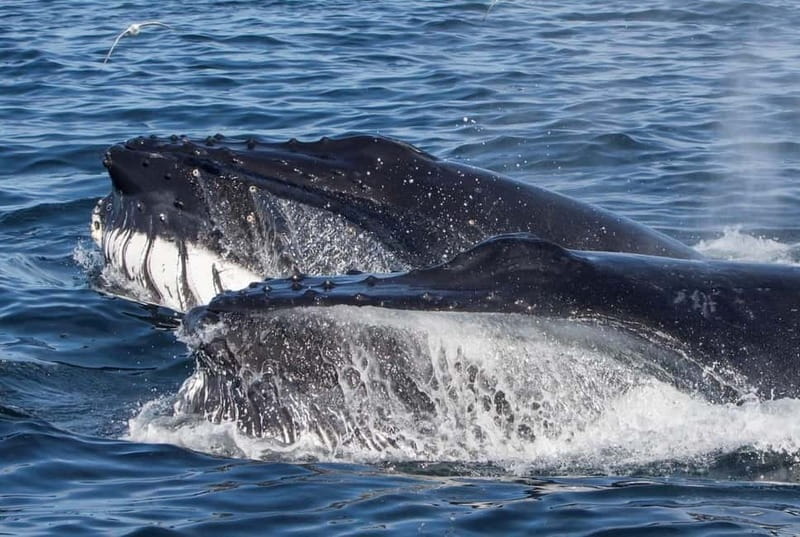
- Minke whales
- Humpback whales
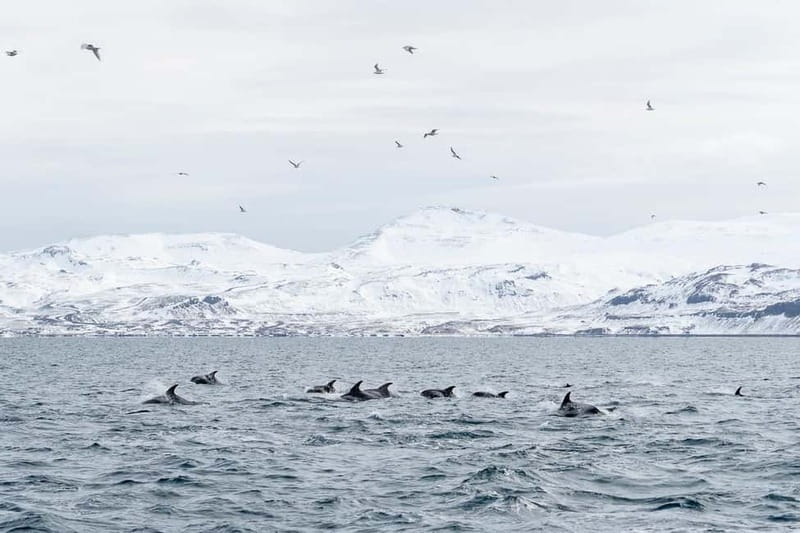
- Dolphins, including white-beaked dolphins
Two real-world signals from recent trips: one group saw lots of dolphins and also a smaller whale during a September outing, and another late-season trip still included orcas plus humpbacks near the end of September. That does not mean every day plays out the same, but it does tell you that late-season can still deliver big moments.
How the 3-hour cruise usually unfolds (and why it matters)
The tour is built around one main idea: get you out on the water fast enough that you can actually benefit from whale movement, then search actively along the coastline.
Here is what you should expect:
1) Meet your English-speaking guide, then board
You will meet the guide and board the boat before heading out. The tour includes an English-speaking guide, so you can ask questions right away about what you are currently watching for and what species are more likely at that time.
I like this because it turns the trip into a guided hunt, not just standing on a deck hoping for the best. The guides can also help you understand what you might be seeing versus what you are guessing at.
2) Cruise along Snæfellsnes, scanning for blows and movement
Once you set sail, you spend your time cruising along the Snæfellsnes Peninsula coastline. The focus is on the ocean area with Snæfellsjökull as a landmark, and the guide and crew look for signs of whales in the water.
This part is where your mindset helps. You are watching a living, moving environment, not a performance. You might get short appearances, longer passes, or multiple encounters close together. Keep your attention on movement changes, and do not assume the first sighting means the only sighting.
3) Stay flexible if the whales are active
One thing I appreciate about the best whale tours is the willingness to move with what’s happening. Recent experiences highlight that guides may try to show different groups rather than staying tied to a single area if whales are surfacing elsewhere.
That approach matters because whales are not static. If a pod changes location, the tour that keeps scanning and repositioning tends to give you more chances to see different animals rather than repeating the same view.
4) Return after the 3-hour window
After you’ve had time to search along the coast, the tour ends. The short duration is part of the value. You get meaningful time on the water, without turning this into an all-day grind.
Comfort and safety: warm gear and the seasickness reality
This is an ocean boat ride, so your comfort depends on what you wear and how you handle motion.
What to bring
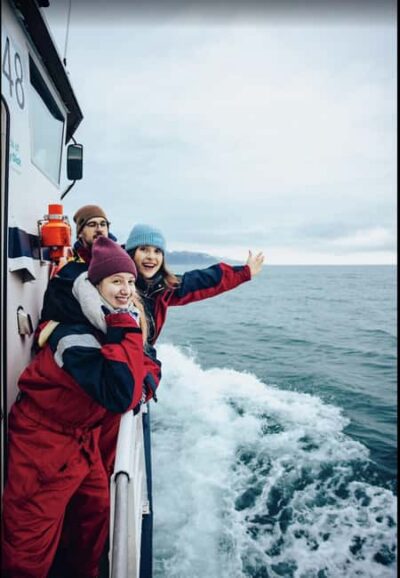
The tour specifically asks you to bring warm clothing. I take that seriously. Iceland weather can feel sharp even on clear days, and you want layers you can move in while you are watching for whales.
A good rule: dress as if you are going to be outside for hours, not just minutes. You will be standing, leaning, and turning your body to look for movement.
What not to do
You are not allowed to feed animals. It sounds obvious, but it’s worth mentioning because it’s the kind of rule that protects both wildlife and your experience. Feeding would also change how animals behave around boats, which would not help anyone.
If you get seasick
The tour is not suitable for people prone to seasickness. This is not a “maybe you’ll be fine” situation. If you know your stomach has a tough time on boats, do not gamble. That one decision can decide whether you enjoy the trip or spend it stuck feeling miserable.
Price and value: what $119 buys you (and what it does not)
At about $119 per person for roughly 3 hours, this tour sits in the midrange for Iceland wildlife outings. The key question is not only price, it is what you are paying for.
You are paying for:
- A boat time window that lets you search along a meaningful stretch of coastline
- An English-speaking guide
- A chance to see major targets such as orcas and sperm whales depending on season
You are not paying for:
- Food and drinks
- Hotel pickup and drop-off
So, you should plan to eat before you go, or be ready to buy food elsewhere on your own. Since there is no hotel pickup, factor in how you will get to Ólafsvík and how you will return after the tour.
Where the value feels strongest is when you hit the right season. If you are traveling in the better months for the targets (spring for orcas and sperm whales, late summer into autumn for other species), the odds stack more in your favor. And when whales are active, the boat ride can feel like you are watching a living ecosystem unfold, not just chasing a single animal.
Odds get better when you think like the ocean
One of the smartest ways to enjoy a whale watching tour is to stop treating it like a checklist and start treating it like a probability game.
The tour’s own timing notes help you do that:
- February to early July is where orcas are more often seen
- March to June is a strong window for sperm whales
- Late summer into autumn shifts your likely sightings toward minke, pilot whales, humpbacks, and dolphins
That seasonal shift is actually good news. It means you do not need to panic if you do not see your “first choice” on arrival. If the ocean is behaving differently that day, you might still have a great lineup of species that match the time of year.
And the coastline itself helps. Seeing multiple species on different outings is possible because the ocean community here changes with movement and migration patterns. One late September outing reportedly included orcas and humpbacks, which is a reminder that whale seasonality is not strict on a calendar. It’s flexible.
Who should book this whale watch from Ólafsvík
This tour fits best if you:
- Want a short, focused wildlife outing with a real chance of orcas, sperm whales, and pilot whales
- Enjoy nature with a guide helping you read what you are seeing
- Are traveling in the right season for your target animals
It is also a strong option if you want the scenery as part of the experience. The Snæfellsjökull glacier views are not an extra perk. They change the feel of the trip.
Who should skip or rethink:
- If you are prone to seasickness, the tour explicitly says it is not suitable for you
- If you need lots of structured stops and guaranteed viewing times, this is still nature. You are going out to look, not to enter a set-piece attraction
Booking mindset: the smart way to choose your day
You do not have to overthink it, but you should pick your day with intention.
If your goal is orcas, aim for February through early July if your schedule allows. If sperm whales are your top target, the March to June window is where the odds are stronger. If you’re going in late summer and autumn, be ready for minke, pilot whales, humpbacks, and dolphins to become the more likely stars of the show.
Also, since the tour lasts 3 hours and does not include food, pick a day when you can keep your energy up before boarding. Your best viewing happens when you are not hungry and not cold.
Finally, check that English is the language you want. This tour includes an English-speaking guide, which is a real comfort factor when you are learning how to identify behavior from the deck.
Should you book this Ólafsvík whale watching tour?
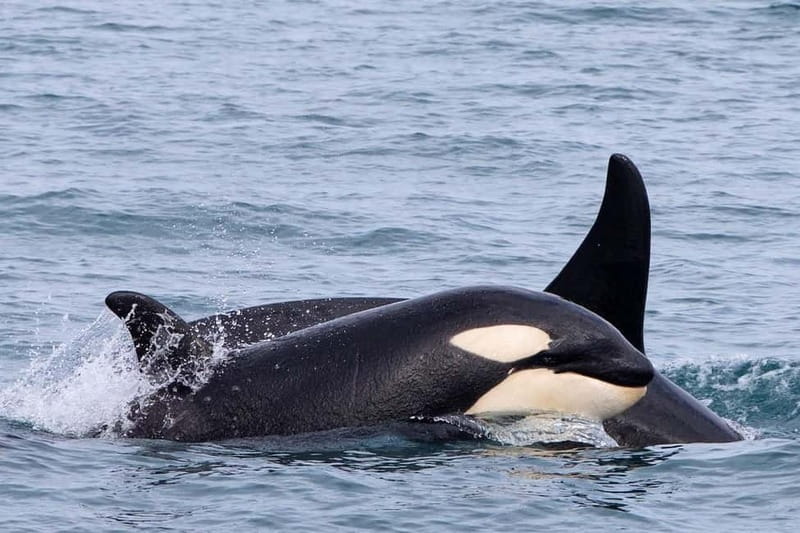
If you are flexible about which whales you see and you are traveling in a season that matches your targets, I think this is a smart book. It has a strong geographic advantage, a guided search approach, and a short time commitment that keeps you from turning whale watching into a marathon.
Book it if:
- You want orcas and other big whales as a real possibility
- You care about glacier scenery from the water, not just wildlife spotting
- You can handle a boat ride comfortably in Iceland conditions
Skip it if:
- Seasickness is likely for you
- You expect guaranteed sightings of specific species every time
If you match the month to your interests and pack warm layers, this tour can deliver that rare combination Iceland does well: dramatic scenery plus top predators in their own world.
Fresh on the forecast for Reykjavik
- Iceland Game of Thrones Tours
★ 5.0 · 7 reviews - Reykjavik: Golden Circle Tour & Laugarás Lagoon Entry
★ 4.7 · 7 reviews - Reykjavik Private 4-Hour Tour with Transfer
★ 5.0 · 7 reviews - Thórsmörk, Valley of Thór | Private Tour | PRO Photos Included
★ 5.0 · 7 reviews - Reykjavik: Private Golden Circle and South Coast Tour
★ 5.0 · 7 reviews - Reykjavik: Small-Group Northern Lights Tour with Pickup
★ 5.0 · 7 reviews - Reykjavik: Golden Circle Super Jeep Tour with Snowmobiling
★ 4.9 · 7 reviews
Whale & Orca Watching, compared.
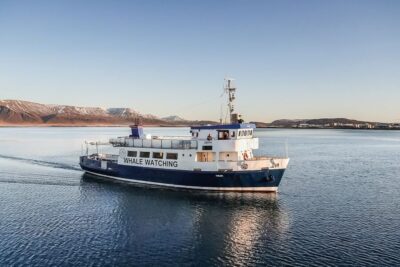
Whale Watching Cruise on the Amelia Rose Yacht
Read our review →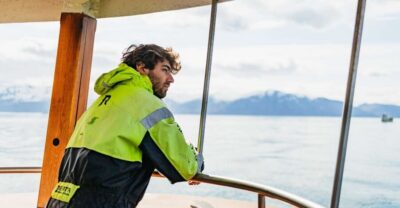
The Original Classic Whale Watching from Reykjavik
Read our review →
Whale Watching – Family Run with Indoor Seats
Read our review →Browse the lists this tour appears in