REVIEW · ICE CAVE EXPEDITIONS
Jökulsárlón: Glacier Hike to a Remote Ice Cave
Blue ice caves feel like a sci-fi set. This winter Jökulsárlón Glacier adventure pairs a remote 4×4 transfer with a guided hike deeper than most groups, plus time in a natural blue ice cave. The big win is that you spend your glacier time somewhere quieter, not wedged into the usual crowd route.
Two things I really like: you get professional glacier guidance from the start, and the pace is built for safety and photos. I also like the way the guides explain how the ice caves form and why winter matters, with practical glaciology and climate science basics you can actually use.
One drawback to consider: the hike is not for couch fitness. You need to be able to hike about 8 kilometers with uphill sections, and you should plan for a schedule that can change if cave entry becomes unsafe.
In This Review
- Key highlights worth planning around
- Blue Ice Cave Hike in Winter: What This Day Is Really Like
- Getting Started at Jökulsárlón Main Parking, Then Into the 4×4 Ride
- Breiðamerkurjökull Time: Gear Up, Learn Footwork, Stay Safe
- The Remote Glacier Hike: Why Walking Further Helps
- Ice Cave Explorations with Headlamps: Light, Color, and Route Changes
- Lunch on the Ice: Simple, But Plan Ahead
- What’s Included, What’s Not, and How That Affects Value
- Guide Quality in Real Terms: Examples You Can Use to Choose
- What to Pack: Footwear, Gloves, and Rain Gear That Actually Matter
- Who This Tour Fits Best, and Who Should Skip It
- Price and Logistics: Is $278 Worth It?
- Should You Book This Remote Ice Cave Hike?
- FAQ
- Where do I meet for the Jökulsárlón ice cave glacier hike?
- How long is the tour, and how much time do we spend on the glacier?
- What gear is included, and what should I bring?
- Do you provide lunch?
- Is prior glacier experience required?
- What happens if a specific ice cave becomes unsafe?
- Who should not book this tour?
Key highlights worth planning around
- 4×4 transfer to Vatnajökull National Park so you start the glacier day farther from the crowds
- A longer, remote glacier hike aimed at bluer ice and less time stuck behind other groups
- Ice cave access with headlamps and a guide who prioritizes safety first
- Small-group feel in the field, with days reported as low as 4 people and up to around 8
- Flexible cave goals when conditions change, with route swaps if an ice cave becomes too hazardous
- No rush time blocks so you can actually stop, look, and take photos
Blue Ice Cave Hike in Winter: What This Day Is Really Like
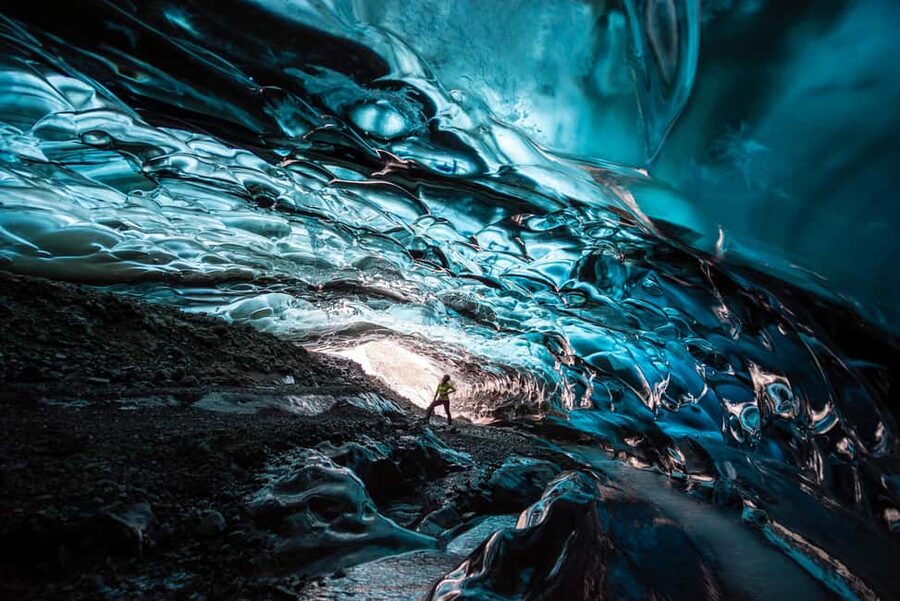
This is a winter-only kind of magic. Blue ice caves form and change fast, and the tour is built around getting you onto the glacier when conditions allow, then letting you explore at a human pace.
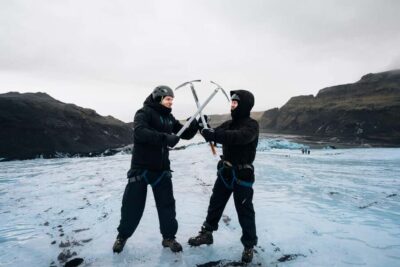
You should picture a day with two modes. First comes hiking focus, crampons and technique style (not a casual walk), then comes cave time where you slow down, use your headlamp, and watch the light play across the ice.
A big part of the experience is how the guides teach while they guide. You get safety briefings, plus on-the-ground explanations about how caves form, what the glacier is doing right now, and what that means for climate science in plain language.
If you care about avoiding the busiest spots, this is where the tour makes a difference. The goal is to walk further than most groups, so you have a better chance of feeling like you discovered the place, not just visited it.
Getting Started at Jökulsárlón Main Parking, Then Into the 4×4 Ride
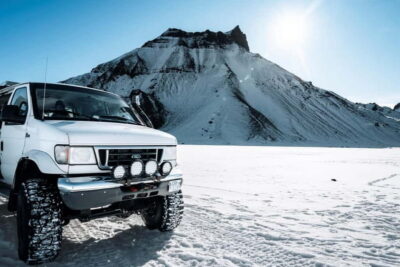
Your day starts at Jökulsárlón main parking. You look for a 4×4 vehicle branded Ice Walkers Tours, and you should plan to arrive early enough to find it without stress.
Then comes the transfer, which takes roughly 40 to 45 minutes depending on the exact pickup and road conditions. This drive matters, because it sets you up for a more remote glacier start, which is a big reason the caves can feel less crowded.
On the ride, you are not just sitting in the cold. The guide talks about current conditions, explains how ice caves are created, and shares local knowledge about the glacier area you are about to enter.
If your Iceland trip is packed with one-ring-of-fire sights and waterfalls, this feels like a different gear shift. It is still scenic, but it is scenic with purpose, because you are heading for an ice world you can only access on foot.
More Hiking Tours in South Iceland
- Skaftafell: Ice Cave Tour and Glacier Hike★ 4.5 · 1,746 reviews
- Skaftafell: Falljokull Glacier Easy Group Hike★ 4.7 · 1,508 reviews
- Sólheimajökull: Blue Ice Glacier Hike near Vík (Easy)★ 4.7 · 1,260 reviews
Breiðamerkurjökull Time: Gear Up, Learn Footwork, Stay Safe
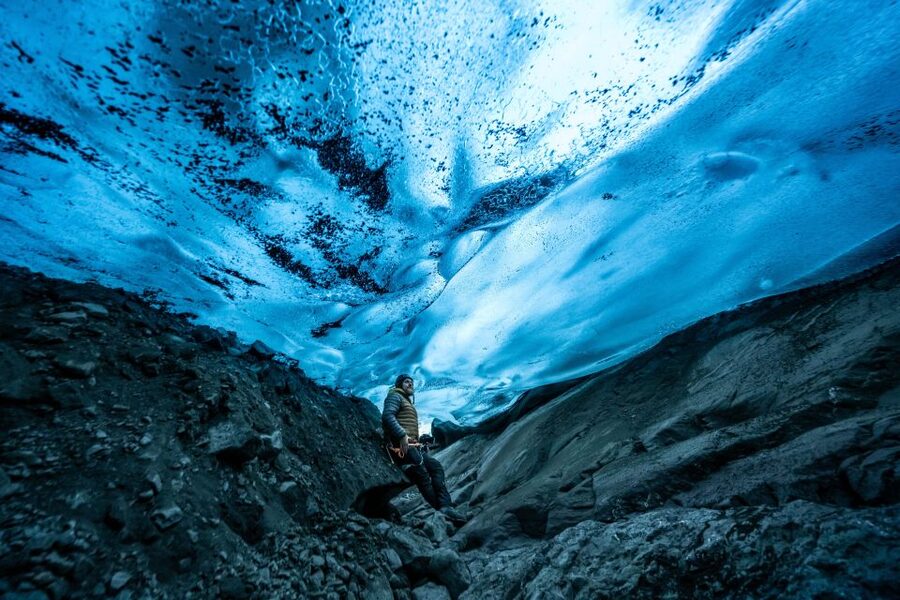
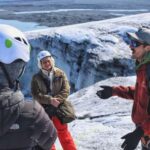
Once you reach the glacier area, you get a real safety rhythm. The guide introduces the gear and covers glacier hiking technique, so you know how to move on ice before you walk deeper.
Expect the guide to slow down for the basics. You should get comfortable with crampon-like movement, balance, and how to keep spacing and follow instructions on uneven surfaces.
This part of the day is also where you learn what matters about the ice caves. Caves are not static sculptures. They are changing cavities, and conditions can make one entrance too risky, even if it looked perfect earlier.
You will also get breaks and photo stops en route on the glacier side. One of the practical perks here is that you are not running on a tight schedule where you barely catch your breath between stops.
The Remote Glacier Hike: Why Walking Further Helps
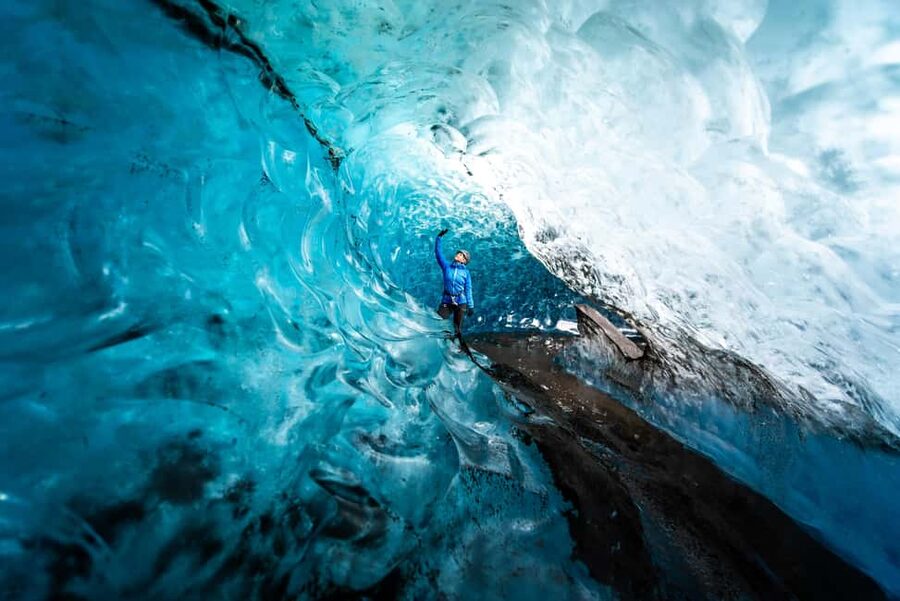
The hike is the core of the value. You are out there for about 3 to 3.5 hours on the glacier and in the caves, after which you return to the parking area to wrap up the full 6-hour experience.
The tour aims to go beyond the usual comfort zone. The guides plan a longer route so you spend more time in bluer ice and have a better chance of fewer people around you.
This is where the small-group feel becomes real. Reviews show groups sometimes around 4 people, and other days around 6 to 8, which makes a difference when you want room to move, pause, and take photos without constantly stepping aside.
You should also know what physically counts. The tour requires physical fitness for an 8-kilometer hike with uphill sections, so pace and stamina matter even if you have no prior glacier experience.
The good news is that the guides build in stopping points. Several reviews highlight guides who keep a pace that feels manageable and make sure everyone stays comfortable, especially when the terrain gets steeper.
Ice Cave Explorations with Headlamps: Light, Color, and Route Changes
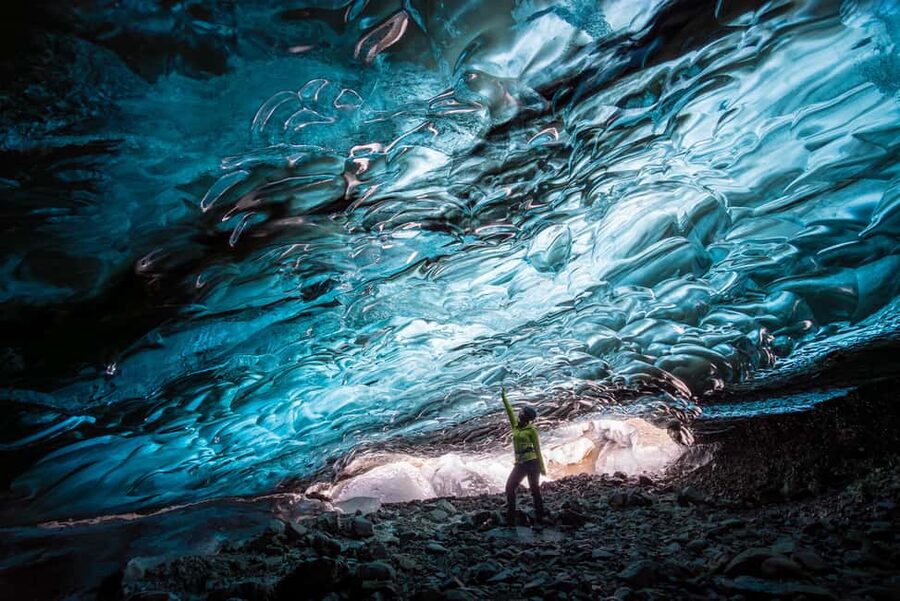
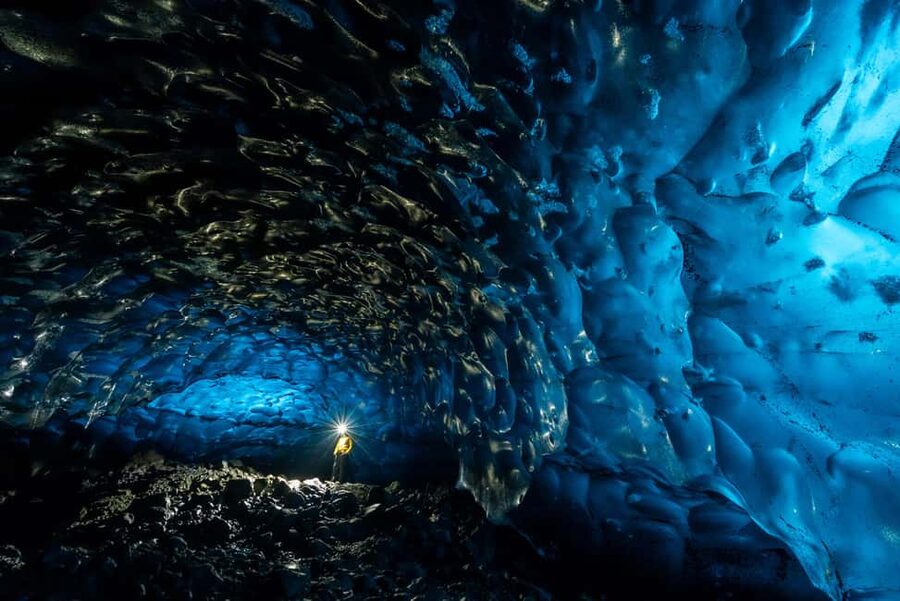
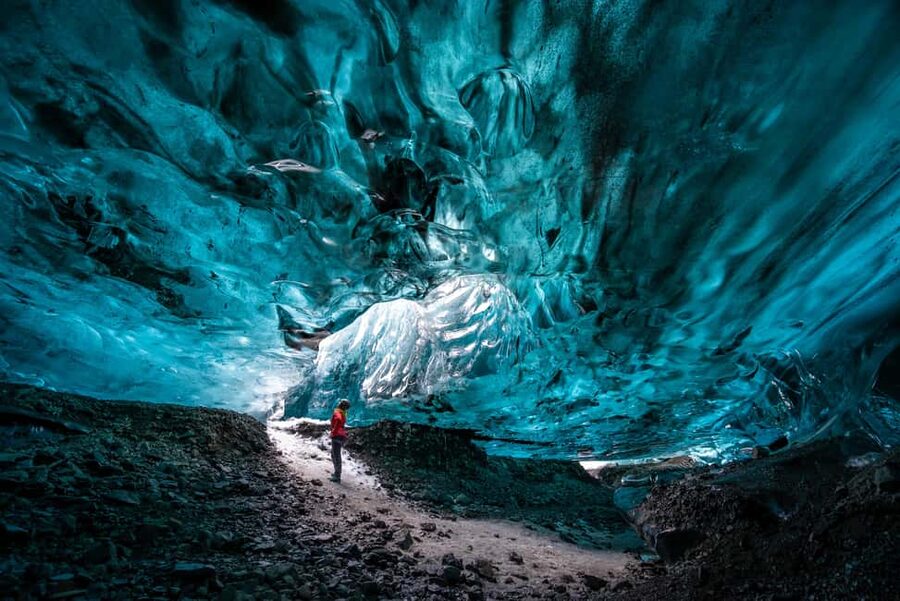
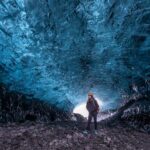
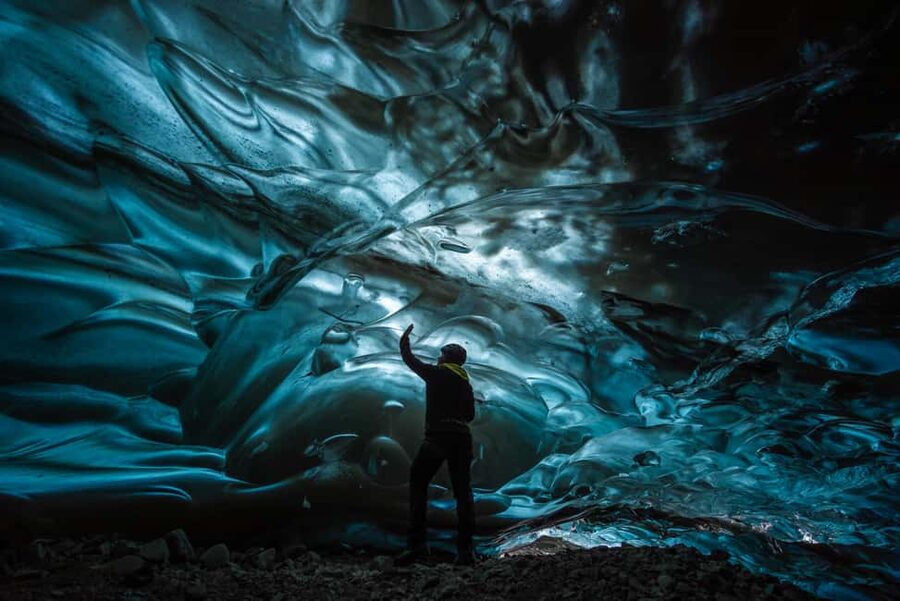
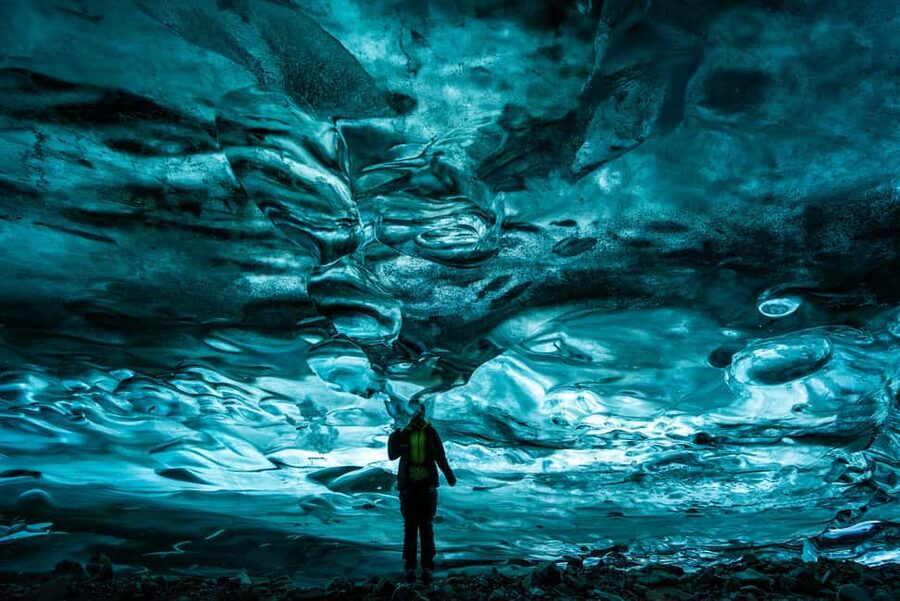
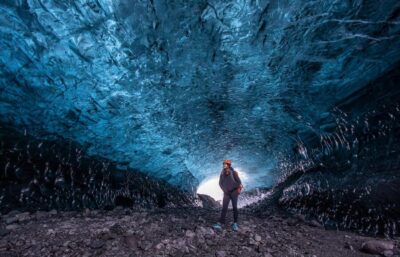
Then you hit the part everyone talks about: the blue ice caves. In winter, the ice shows that electric blue you cannot fake with a filter, and your headlamp helps you see inside where daylight fades.
What I like is that the tour does not treat cave entry as a guaranteed checkbox. The environment changes quickly. If entering a particular cave becomes too hazardous, the guide tries to switch to another accessible option, and you get updated information based on real conditions.
In practice, you may see one main cave, or you may get more depending on what is safe and reachable. Some days include more than one cave or an ice tunnel if conditions allow, with extra time built in since the guides do not rush you.
Photo time is not a 30-second grab-and-go. You are given time to look closely at ice formations and capture the cave interiors, and multiple reviews mention the guides helping people take photos.
You should also be ready for the cave experience to feel different from one day to the next. Caves melt, shift, and change appearance from season to season, and the guides aim for the best option available during your visit.
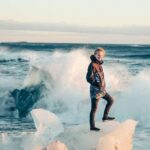
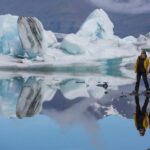
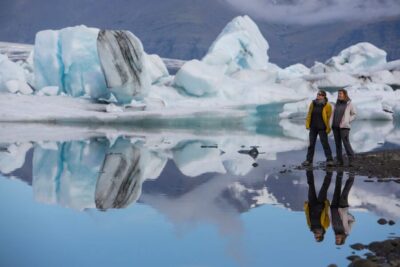
More bergs drifting to the black sand:
Lunch on the Ice: Simple, But Plan Ahead
Lunch is not provided, but you do get time to eat your own food on the glacier. That detail matters, because it changes your day from a rushed “tour” into an actual outing where you can recharge without leaving the ice behind.
Because you are hiking and spending time in cold conditions, you will want something easy to eat that does not require warmth. If you plan to pack a big meal, you might regret it once the gloves go on and you are trying to open everything with numb hands.
You also should treat this as a full-on winter activity even if the weather looks calm in town. Ice days can still feel sharp and windy, so bring the right winter layers since winter clothing is not included.
What’s Included, What’s Not, and How That Affects Value
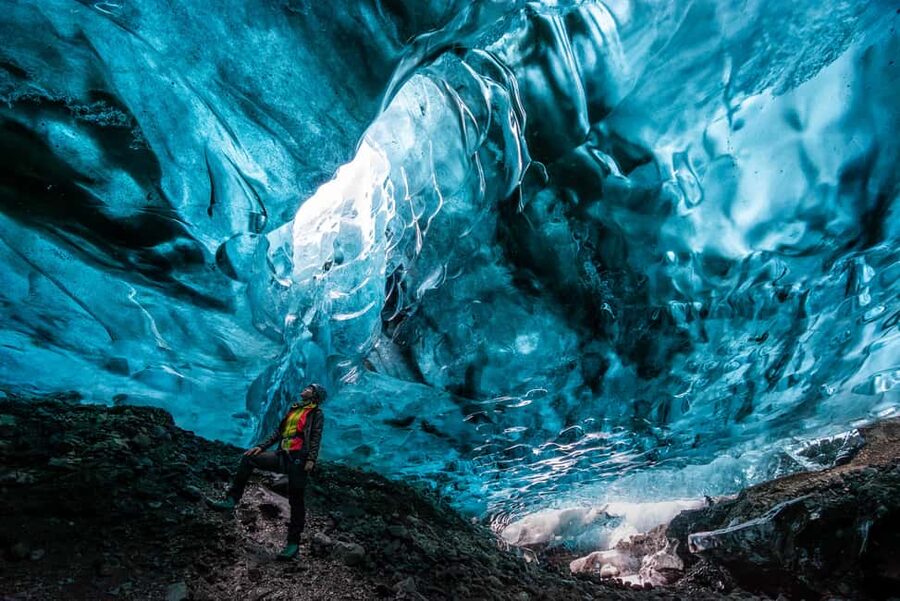
For $278 per person, what you are really paying for is access plus expertise, not just a photo stop. Your package includes roundtrip transportation from the meeting point, a guide, and glacier gear and headlamps.
What you do not get is winter clothing, and there is no food or drinks included. That means you should budget for your own warm layers and pack lunch, and it also means your personal gear choices can affect how comfortable you feel.
In my view, the value is strongest if you care about the “remote” part. If you just want to see a single ice cave with zero hike, you might find cheaper options elsewhere, but you would be giving up the deeper glacier time that makes this one special.
This tour also invests in safety and flexibility. Guides adjust route when an ice cave gets flooded or unsafe, and they aim for the best accessible option that day, which is the kind of operational thinking you want in glacier terrain.
Guide Quality in Real Terms: Examples You Can Use to Choose
The guide is the whole experience. When the guide is good, the hike feels confident, the ice feels understandable, and the cave time feels organized instead of chaotic.
In reviews, Martin stands out for glacier knowledge and clear communication. Ola is praised for humor, motivation, and making sure everyone in the group managed the pace, with a calm focus on safety.
Other names show up as well. Katherina is described as professional and caring, and Luke gets credit for explaining Iceland beyond just the hike. Marcin is noted for adjusting cave plans when conditions changed and for timing visits so caves felt more exclusive.
Even if you never meet these exact guides, the point is consistent: the tour is run with people who know glaciers and take safety seriously, not just people who lead a line on a trail.
What to Pack: Footwear, Gloves, and Rain Gear That Actually Matter
Here is the practical checklist from the tour requirements. Bring a hat, hiking shoes, rain gear, and gloves. Also, you should wear ankle-covering, relatively stiff boots, because the tour can deny participation if your footwear is not appropriate.
If your hiking shoes are soft like city sneakers, you might be in trouble. Glacier terrain punishes bad footwear, and you will not want to learn that lesson on day one in Iceland.
Rain gear is not just for rain. When wind hits, you will want a barrier that cuts the chill and helps you stay focused on walking.
And do not forget simple stuff like layers under your outer shell. Even when you feel dressed for the air, you might still get cold while standing still inside a cave.
Who This Tour Fits Best, and Who Should Skip It
This is an active winter glacier hike. If you have limitations, this tour may not fit, because it is not designed as a gentle walk.
It is not suitable for children under 12, and it is also not recommended for people with back problems, mobility impairments, wheelchair users, heart problems, respiratory issues, or low level of fitness.
The key physical threshold is clear. You must be able to hike for about 8 kilometers with uphill sections, and you should be physically fit enough to handle those demands while carrying winter gear.
If you are an experienced hiker, you will likely find it doable. If you are moderately fit but take your time, the guides typically build in stopping points, and small-group spacing helps.
If you want an ice cave day that is mostly about scenery and minimal exertion, this may be more effort than you want. In that case, consider a less hiking-heavy option and save your legs for the rest of Iceland’s variety.
Price and Logistics: Is $278 Worth It?
Let’s talk money like adults. $278 per person is not cheap, but you are paying for a 4×4 transfer, a professional glacier guide, included glacier gear, and headlamps, plus the real work of planning routes around constantly changing cave safety.
The biggest “value lever” here is remote access and reduced crowding. When the guide can hike further and time cave visits, you get more solitude and more time to look, which is what most people actually want out of an ice cave.
You also gain education time. The guides teach basics of glaciology and climate science while you are walking, so it is not just a scenic errand.
Finally, the day length matters. This is a focused 6-hour window that gives you substantial time on the ice without turning into a 10-hour endurance test.
Should You Book This Remote Ice Cave Hike?
Book it if you want the winter blue ice cave experience and you are okay with real hiking effort. I would choose this tour if avoiding crowds is high on your list and if you like learning what you are seeing, not just snapping photos.
Skip it if you do not meet the fitness requirement, or if you have health limitations that make glacier walking risky for you. Also skip if you are not willing to bring proper boots and winter layers, because the tour can deny participation for unsuitable footwear.
If you love Iceland when it feels wild and a little hard, this is one of the best ways to spend a winter day in the Jökulsárlón area. You come away feeling like you did something substantial, not just watched something from a platform.
FAQ
Where do I meet for the Jökulsárlón ice cave glacier hike?
You meet at Jökulsárlón main parking and look for a 4×4 vehicle branded Ice Walkers Tours.
How long is the tour, and how much time do we spend on the glacier?
The total tour duration is 6 hours, and you should expect about 3 to 3.5 hours on the glacier and in the caves.
What gear is included, and what should I bring?
Included: glacier gear and headlamps. Bring: a hat, hiking shoes, rain gear, and gloves. Winter clothing is not included.
Do you provide lunch?
No. Lunch and drinks are not included, but there is time to eat your own lunch on the ice.
Is prior glacier experience required?
No prior glacier experience is required, but you must be physically fit to hike for about 8 kilometers with uphill sections.
What happens if a specific ice cave becomes unsafe?
The conditions can change fast. If entering a cave is too hazardous, the guide will try to go to another accessible cave and you will receive up-to-date information about what is safe.
Who should not book this tour?
It is not suitable for children under 12 and is not recommended for people with back problems, mobility impairments, wheelchair users, heart problems, respiratory issues, or low level of fitness.
Crampons on Old Ice
- Sólheimajökull Glacier Hike – Adventure in a Small Group
★ 5.0 · 799 reviews - Skaftafell: Blue Ice Cave & Glacier Hike on Vatnajökull
★ 4.7 · 643 reviews - Skaftafell Glacier Hike 3-Hour Small Group Tour
★ 4.5 · 580 reviews - Blue Ice Discovery – Guided Glacier Hike from Skaftafell
★ 5.0 · 532 reviews
Blue Chambers
- From Vik: Katla Ice Cave and Super Jeep Tour
★ 4.6 · 2,110 reviews - From Vik: Katla Ice Cave & Super Jeep Tour
★ 4.6 · 1,450 reviews - Ice Cave by Katla Volcano Super Jeep Tour from Vik
★ 4.5 · 1,100 reviews - Skaftafell: Blue Ice Glacier Hike on Vatnajökull
★ 4.7 · 1,045 reviews
Fresh on the forecast for South Iceland
- Private Day Trip in Landmannalaugar South Region area on a 4×4 truck
★ 5.0 · 7 reviews - Eyjafjallajökull by Super Jeep
★ 5.0 · 8 reviews - Iceland: Vatnajokull Glacier Hike and Ice Cave Tour
★ 4.6 · 8 reviews - Scenic Buggy Adventure 1 hour
★ 3.9 · 8 reviews - Reykjavík: Westman Islands, Volcanoes and Puffins Minibus Tour
★ 4.0 · 8 reviews - Golden Circle
★ 5.0 · 8 reviews - Glacier Hike Starting from Solheimajokull
★ 4.5 · 8 reviews
Ice Cave Expeditions, compared.
Jökulsárlón: Vatnajökull Ice Cave Guided Tour
Read our review →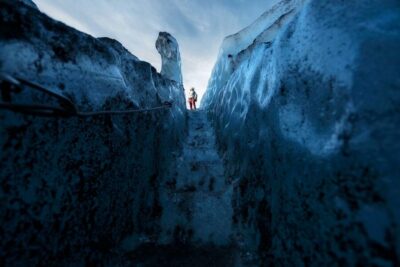
Jökulsárlón: Crystal Ice Cave Super Jeep Tour
Read our review →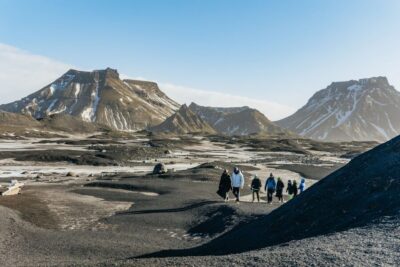
Sólheimajökull: Blue Ice Glacier Hike near Vík (Easy)
Read our review →