
REVIEW · LAVA CAVING & TUNNEL WALKS
Geological Lava Tunnel Adventure – Arnarker Cave
Caves have a way of making Iceland feel real. The Arnarker Cave lava-tube adventure is a smaller, more natural caving experience with geology lessons that you can actually see. I like that it is run as a true small-group trip, up to 6 people, so you get time to look closely and ask questions without rushing.
I also like the hands-on mix: you explore a 500 m-long tunnel, touch the rock features up close, and learn how lava caves form from a professional geological guide. One big consideration is physical, real-world caving conditions inside the cave, with no man-made path and a lot of stepping, climbing over boulders, and balancing in a cold, uneven space.
In This Review
- Key Things I’d Plan Around
- Arnarker Cave: The Lava Tube That Feels Less Like a Show
- Reykjavik Pickup to Cave Time: How the 5 Hours Actually Work
- Inside the Arnarker Lava Tunnel: What 500 Meters Feels Like
- The Geology Part That Makes It Worth More Than a Walk
- Gear and Clothing: What’s Provided, What You Must Bring
- Who Should Book Arnarker, and Who Should Skip It
- Price and Value: Why $214 Can Make Sense
- Weather, Seasons, and the Cold Truth About Cave Time
- Should You Book Arnarker Cave? (My Practical Take)
- FAQ
- How long is the Arnarker Cave geological lava tunnel adventure?
- Where does the tour pick up and drop off in Reykjavik?
- How big is the group?
- What equipment is included?
- What should I bring?
- Is food included?
- What is the cave temperature like?
- Is the tour affected by bad weather?
Key Things I’d Plan Around
- A smaller lava cave experience, not a show cave: Arnarker Cave is described as more unknown and adventurous than the well-known lava tunnel.
- Up to 6 people in a small group: This usually means more attention during boulder scrambling and photo stops.
- Provided caving gear: You get a helmet, headlamp, and gloves, so you can travel light.
- No man-made path inside: Expect uneven footing and climbing over boulders in most parts.
- Cave temps stay cold: Even in summer, the cave rarely exceeds 4°C, so warm layers matter.
- Geology guide focus: The guide explains Icelandic volcanism and how lava tubes form as you go.
Arnarker Cave: The Lava Tube That Feels Less Like a Show
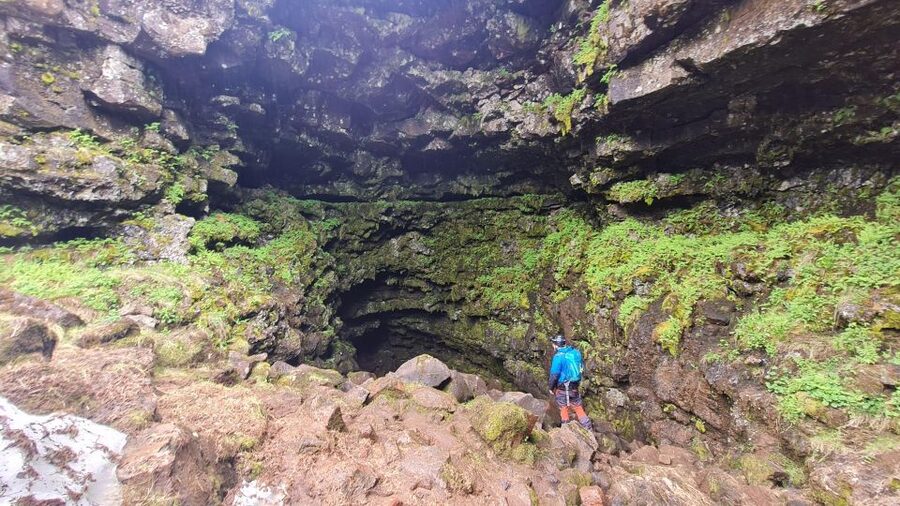
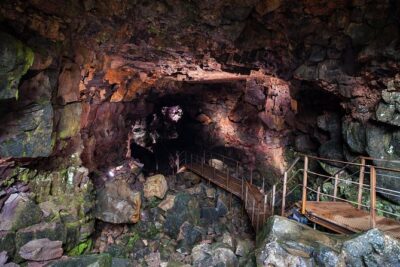
Arnarker Cave is built from the same Icelandic process that creates famous lava tunnels, but the vibe is different. This is a more unknown, 500 m-long lava tunnel, and that matters. A lot of the interest here is that it feels like you are in the actual system that lava created, not a paved attraction.
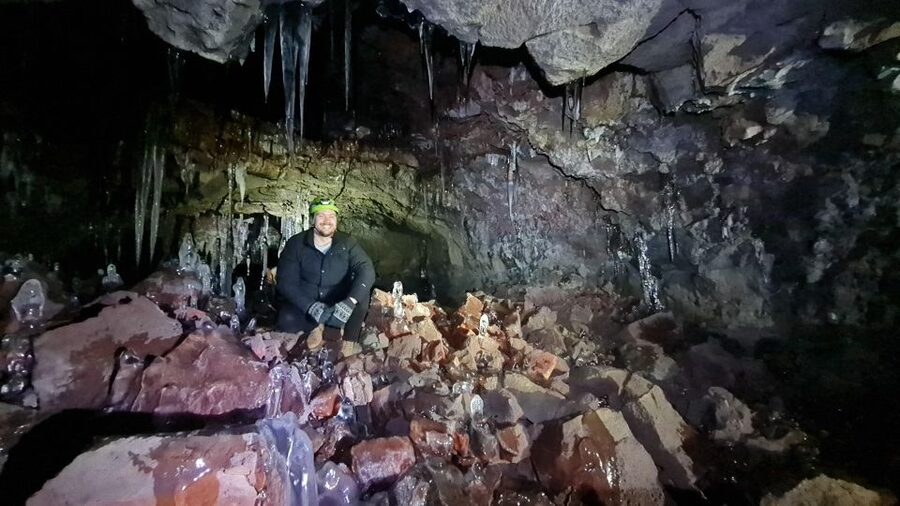
What you will likely enjoy most is the mix of structure and surprise. Even though you are following a route through the tunnel, the rock shapes change as you go, and you get chances to pause and look at features left by flowing and cooling lava. In winter, the cave can include ice formations along geological features, which adds a second layer of textures: frozen surfaces meeting volcanic rock.
If you are choosing between this and more tourist-friendly caves, think about what you want. If you want a calm walk with zero scrambling, Arnarker is not that. If you want a real caving feel with geology education baked in, it is a strong fit.
Reykjavik Pickup to Cave Time: How the 5 Hours Actually Work
This tour starts with pickup in Reykjavik at Bus Stop #8, in the parking lot of Hallgrímskirkja. From there, you drive out through Iceland’s countryside scenery to reach the cave area in the Capital Region.
The total duration is 5 hours, which is long enough to include travel, gear setup, and the actual tunnel time. The cave portion is not a quick photo stop. Based on how the route is described, the caving happens in two stages: an early stretch around 100 m that takes about an hour, then the longer part around 400 m taking roughly 1.5 hours.
In practical terms, you should treat this as an active half-day. Wear your warm layers before you leave Reykjavik, because once you are under earth and in cold air, getting comfortable takes time. Also, the provided gear helps a lot with convenience, but your clothing still needs to work for walking, climbing, and water that can drip from the ceiling.
More lava tubes taken by headlamp:
- The Lava Tunnel Tour – Raufarhólshellir★ 5.0 · 2,373 reviews
- Reykjavik: Snæfellsnes Day Trip with Vatnshellir Lava Cave★ 4.7 · 1,108 reviews
- From Reykjavik: Raufarhólshellir Lava Tunnel by Bus★ 4.6 · 793 reviews
Inside the Arnarker Lava Tunnel: What 500 Meters Feels Like
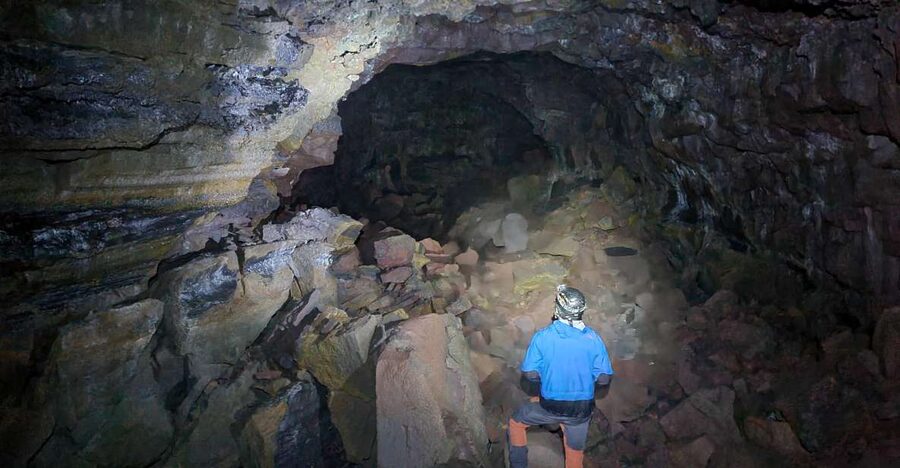
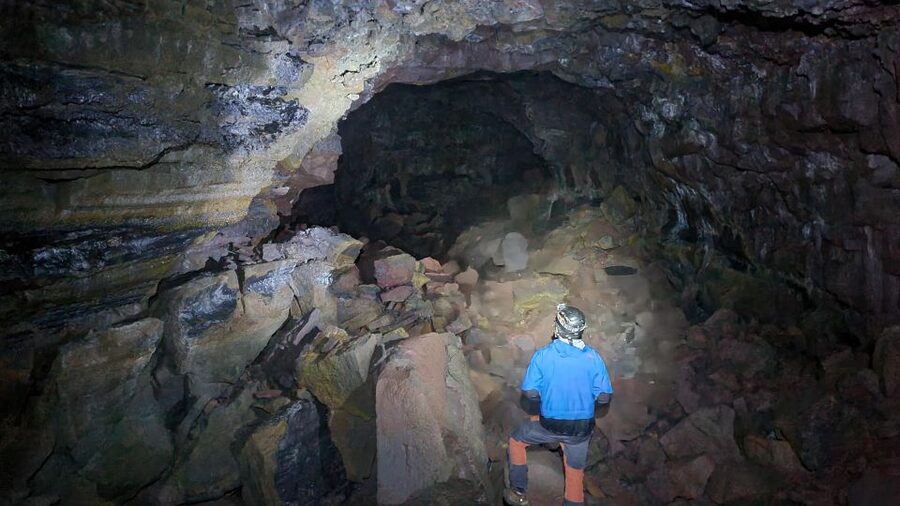
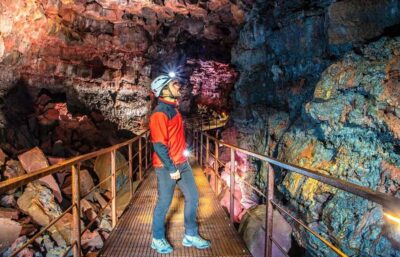
Inside Arnarker Cave, the key word is uneven. There is no man-made path, and you will climb over boulders in many parts. That is part of the point, and it is why people who like real caving call this more adventurous than the better-known tunnel options.
Here is what the pacing looks like. You start with a first section that includes a climb down and a gradual move through the tunnel. One portion is described at around 100 m and can take about an hour. Then you continue into a second section around 400 m that can take about 1.5 hours. Overall, you are not rushing through. The route gives you time to stop, look at features, and get explanations while you are physically in the environment.
You should also expect the cave conditions to shape your experience. The temperature is rarely above 4°C, even in summer. That cold plus damp air means you want real warmth, not just a light jacket. And because water can drop from the ceiling, a waterproof jacket is a smart idea even if the weather is dry outside.
The ceiling height and rock contours vary. You might feel the tunnel narrowing in spots, and the boulder steps mean you need balance more than raw strength. This is exactly why the tour asks for good physical shape and a steady sense of footing.
The Geology Part That Makes It Worth More Than a Walk
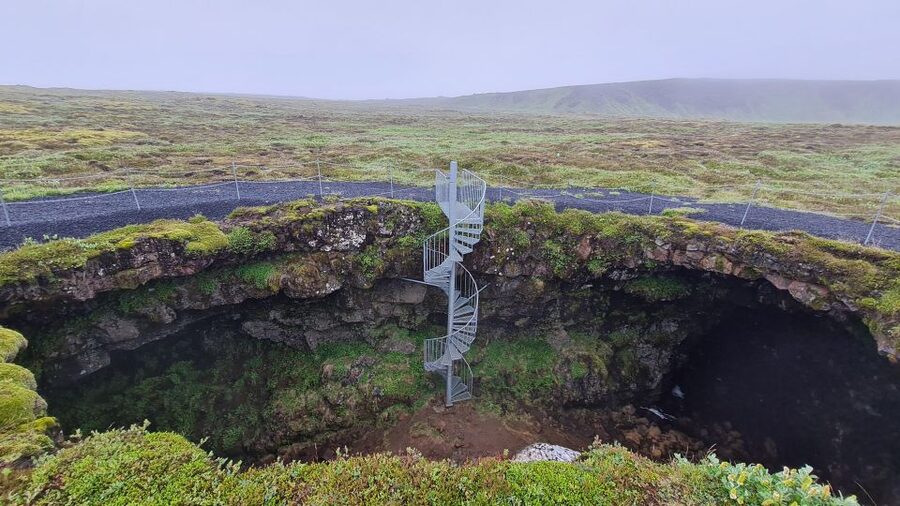
The caving is the main event, but the geology is the glue that makes it memorable. Your guide is a professional geological expert, with a focus on Icelandic volcanism and how lava caves form.
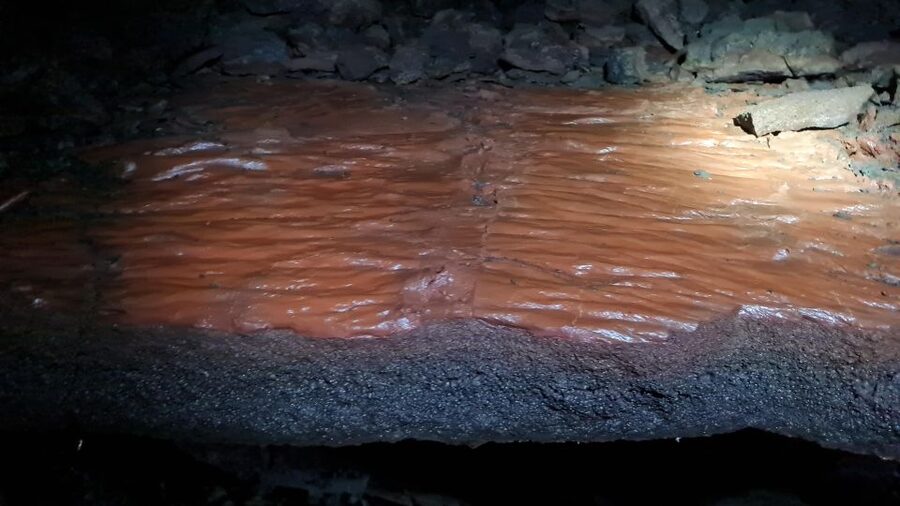
What I like about this setup is that geology is not treated like a lecture you hear before you go in. You are learning while you see the results of volcanic processes around you. Lava tubes form when lava flows and then cools, with insulating layers and crust creating channels. As the molten material drains, you are left with a tunnel shape and rock features that reflect flow patterns and cooling behavior.
You also get a chance for close-up inspection. In the experiences shared, people mention photo stops and learning that is easy to understand, plus the impact of touching the rock and seeing the textures. That tactile element helps you connect the explanation to the physical reality.
If you are a geology nerd, you will probably love the topic depth. If you are not, you can still benefit because the guide’s job is to translate volcanic processes into what you can physically observe in the tunnel walls.
Gear and Clothing: What’s Provided, What You Must Bring
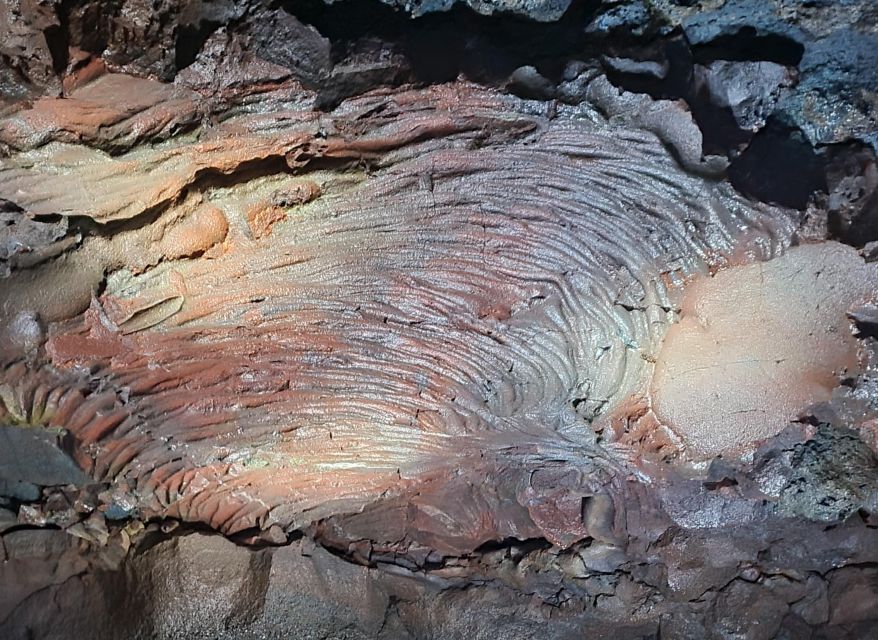
Good gear can make the difference between fun cold adventure and miserable cold discomfort. This tour provides essential caving equipment: helmets, headlamps, and gloves. That means you do not have to hunt for those items before you arrive.
What you need to plan for yourself is your footwear and clothing.
- Bring hiking shoes (and the tour guidance emphasizes ankle support).
- You should wear hiking boots with ankle support, because you will be stepping over uneven ground and boulders.
- Wear layers for real cold. The cave rarely exceeds 4°C.
- Bring a waterproof jacket. Water can drip from the ceiling, even inside the cave.
Also, pack for movement, not fashion. If your shoes are comfortable for city walking but do not support your ankles on rocks, you will feel it. This is one reason I consider this tour a better choice for travelers who enjoy hiking and scrambling rather than a casual sightseeing style day.
Food and drinks are not included, so plan a meal before you go. Bring water if you know you run thirsty. At these temperatures, you might feel less thirsty than normal, but caving effort still adds up.
Also waiting on skies over Reykjavik
Who Should Book Arnarker, and Who Should Skip It
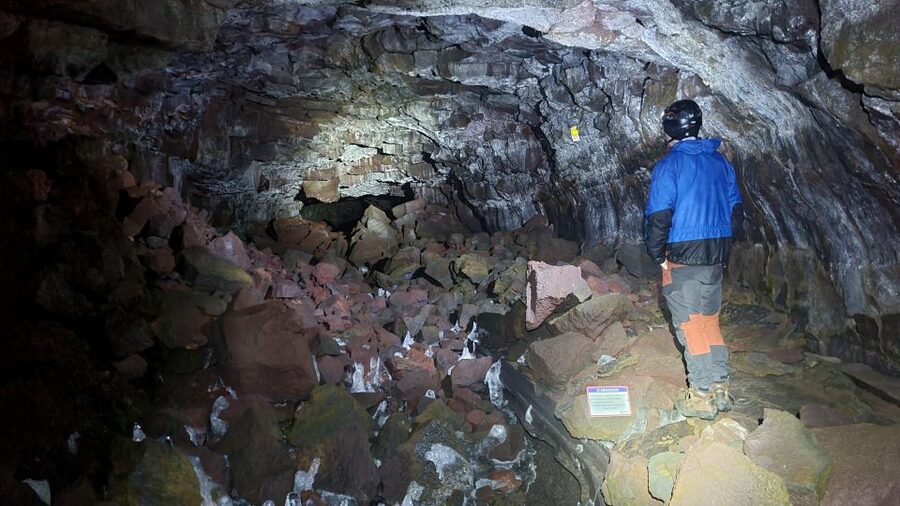
This is not an accessible, low-effort cave tour. It is meant for people with good physical conditioning, good balance, and the willingness to move over rocks.
You will want to take the following seriously:
- Good balance and physical shape are required.
- There is no man-made path, and climbing over boulders is common.
- The cave is cold and damp, so you need warm, waterproof clothing.
The tour also lists clear non-suitable categories, including:
- children under 15 and people over 65
- pregnant women
- people with back problems, heart problems, recent surgeries
- people with mobility impairments or wheelchair users
- people with claustrophobia
- people over 200 cm (6 ft 6 in)
- people over 125 kg (275 lbs)
If any of those categories apply, it is better to choose another Iceland activity. Even if you love geology, the physical and enclosed aspects here are central to the experience.
On the upside, for people who meet the requirements, this sounds like the kind of adventure that sticks in your memory. People call it a real lava tube experience, with enough challenge to feel authentic, but still guided with provided gear and a small group size.
Price and Value: Why $214 Can Make Sense
At $214 per person for a 5-hour outing, this is not a budget add-on. But I think the price can be reasonable if you value the combination of things you get.
You are paying for:
- Reykjavik pickup and drop-off at Bus Stop #8 (Hallgrímskirkja area)
- a professional geological guide focused on volcanism and cave formation
- provided safety gear: helmet, headlamp, gloves
- a small group capped at 6 people, which matters in a cave with uneven footing
In other words, you are not just buying transportation and a ticket. You are buying expert interpretation and guided safety for an environment that requires real movement and steady balance.
The main value tradeoff is that you still need to bring proper boots and warm clothing, and you need to have the physical ability. If you meet that bar, the guide expertise plus the real lava-tube setting is a strong match for the cost.
Weather, Seasons, and the Cold Truth About Cave Time
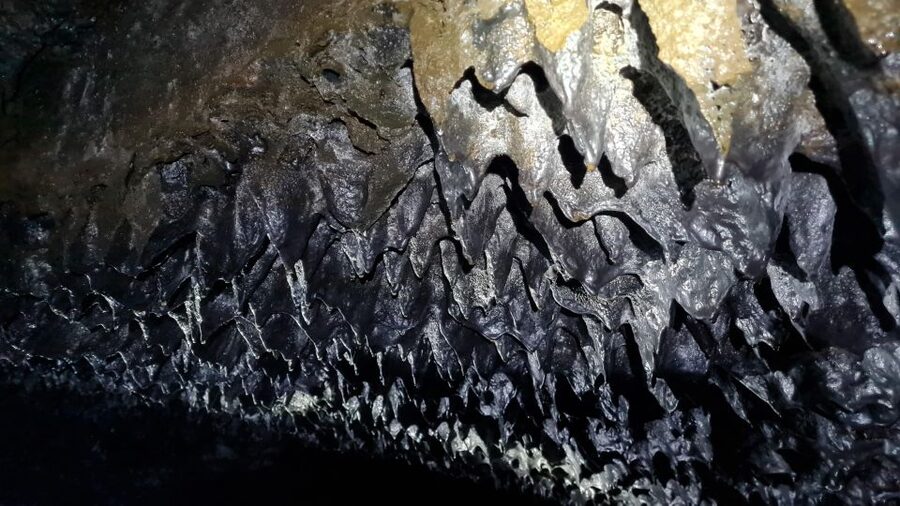
One practical advantage: the tour says bad weather conditions do not impact it and can take place all year around. So if Iceland weather makes you nervous, this is helpful. The cave itself is underground, and you are already dealing with cold temperatures.
That said, the temperature inside the cave stays very cold. The cave rarely exceeds 4°C even in summer, so winter or not, plan for cold from the start. In winter, you can discover stunning ice formations along geological features, which adds extra visuals and a different mood.
So the season affects the look of the cave, but not the reality of the cold. Your best move is to dress for the cave first, not for the Reykjavik weather forecast.
Should You Book Arnarker Cave? (My Practical Take)
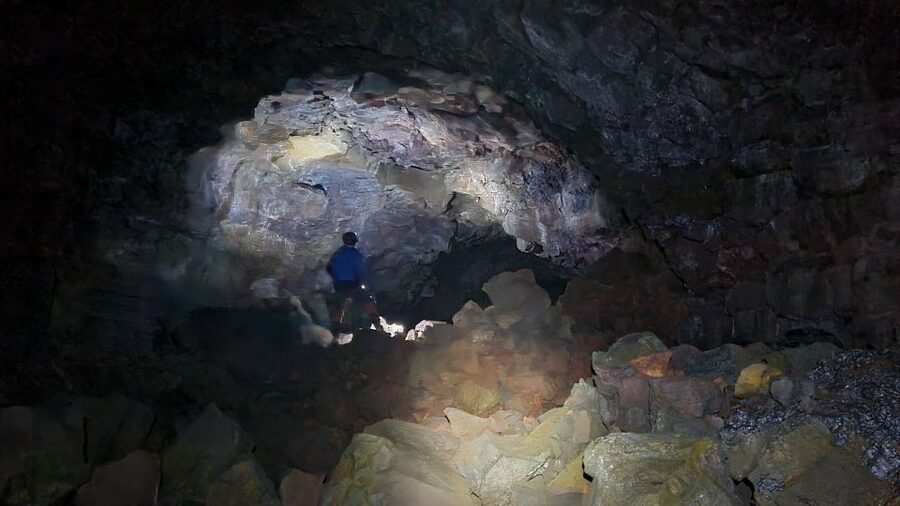
Book this if you want a true lava tunnel caving experience in a very small group, with professional geology guidance that explains Iceland’s volcanic world while you are inside it. It is also a good pick if you like hands-on learning, photo stops, and rock features you can see and feel.
Skip it if you are looking for a gentle walk, if you need wheelchair access, if you get uneasy in enclosed spaces, or if your fitness and balance are limited. The lack of a man-made path and the frequent need to climb over boulders are not small details here.
If you are the right fit, this tour has that rare combination of challenge and clarity. You come away with more than photos. You come away with an explanation your brain can picture the next time you see volcanic rock.
FAQ
How long is the Arnarker Cave geological lava tunnel adventure?
The duration is listed as 5 hours.
Where does the tour pick up and drop off in Reykjavik?
Pickup and drop-off are at Bus Stop #8, in the parking lot of Hallgrímskirkja.
How big is the group?
This is a small group limited to up to 6 participants.
What equipment is included?
The tour includes helmets, headlamps, and gloves.
What should I bring?
You should bring hiking shoes. The guidance also recommends hiking boots with ankle support and a waterproof jacket, since water can drip from the cave ceiling. Food and drinks and hiking boots are not included.
Is food included?
No. Food and drinks are not included.
What is the cave temperature like?
The cave rarely exceeds 4°C, even in summer, so you should dress warm.
Is the tour affected by bad weather?
It states that bad weather conditions do not impact the tour and it can run all year around.
Fresh on the forecast for Reykjavik
- Iceland Game of Thrones Tours
★ 5.0 · 7 reviews - Reykjavik: Golden Circle Tour & Laugarás Lagoon Entry
★ 4.7 · 7 reviews - Reykjavik Private 4-Hour Tour with Transfer
★ 5.0 · 7 reviews - Thórsmörk, Valley of Thór | Private Tour | PRO Photos Included
★ 5.0 · 7 reviews - Reykjavik: Private Golden Circle and South Coast Tour
★ 5.0 · 7 reviews - Reykjavik: Small-Group Northern Lights Tour with Pickup
★ 5.0 · 7 reviews - Reykjavik: Golden Circle Super Jeep Tour with Snowmobiling
★ 4.9 · 7 reviews
Lava Caving & Tunnel Walks, compared.
Raufarhólshellir Lava Tunnel: Underground Expedition
Read our review →
Snæfellsnes Day Trip with Vatnshellir Lava Cave
Read our review →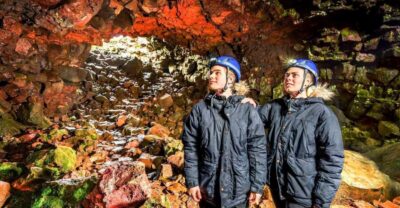
The Lava Tunnel Tour with Transfer from Reykjavik
Read our review →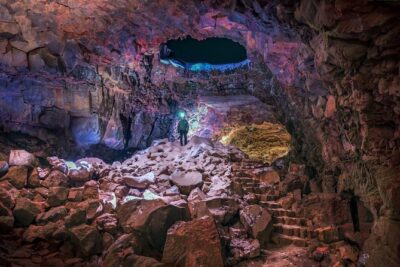
Lava Tunnel Tour Including Transfers from Reykjavik
Read our review →
Epic Snæfellsnes Adventure with Lava Cave Small-Group Day-Tour
Read our review →Browse the lists this tour appears in