
REVIEW · HELICOPTER TOURS
From Reykjavik: New Volcanic Area Helicopter Tour
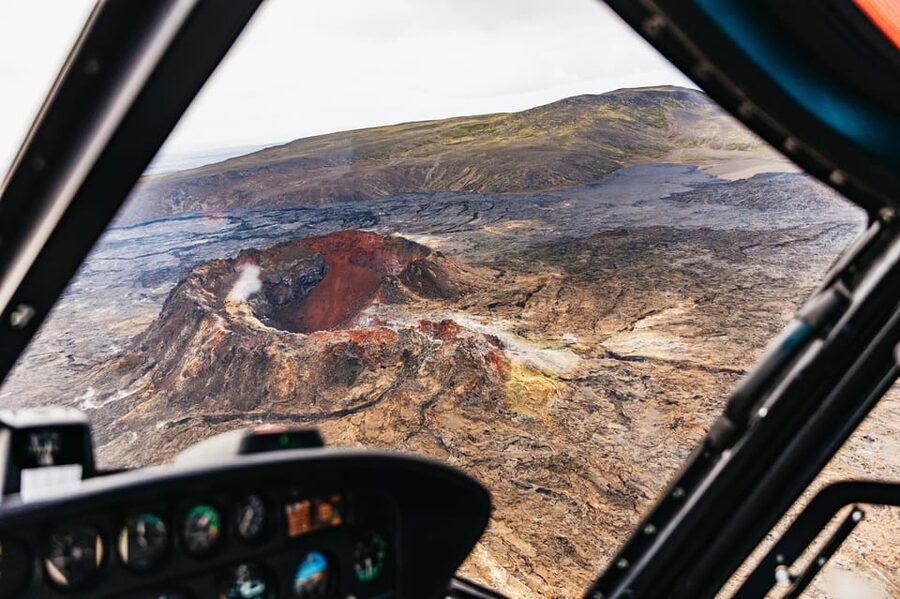
This helicopter tour takes you out from the capital and over Iceland’s Reykjanes Peninsula, where recent eruptions have reshaped the ground. In a short time in the air, you get a big-picture view of active volcanic terrain plus recognizable landmarks like Mount Esja and Faxafloi Bay.
Two things I really like about this experience are how it focuses on recent volcanic areas and how pilots work to keep the views fair from different seats. I also like that the commentary is easy to follow, with both live English guidance and an English audio option.
One thing to consider is that you might not see lava or smoke on the day you fly, since eruptions can be quiet and conditions depend on safety and weather. And yes, 40 minutes is amazing, but it can also feel short for the price.
In This Review
- Quick hits: what makes this flight special
- Ace FBO Reykjavik, and why the start matters more than you think
- Litli Hrutur Volcano, seeing a crater area up close
- Geldingadalir Volcano, where the terrain starts telling a story
- Fagradalsfjall Volcano, the main event for crater-and-lava spotting
- Grindavik and the coast view that puts the eruption in context
- The return to Reykjavik: smooth flying, and why short flights can still feel huge
- Photo strategy for craters, lava fields, and Mount Esja
- Weather and safety: what you can control, and what you cannot
- Price and value: does 577 USD make sense for 40 minutes?
- Who should book this helicopter tour, and who should think twice
- Should you book GlacierHeli’s Reykjavik volcanic helicopter tour?
- FAQ
- How long is the helicopter tour?
- Where do I meet for the tour?
- Is there a guide on board?
- What is included in the price?
- Is food or drinks included?
- Will I definitely see lava during the flight?
Quick hits: what makes this flight special
- New volcanic area views near Reykjavik: you’re not heading far into the wilderness just to see volcanoes
- Multiple eruption sites in one flight: stops include Litli Hrutur, Geldingadalir, and Fagradalsfjall
- Photo-friendly aircraft loops: pilots are known for banking so both sides get a look
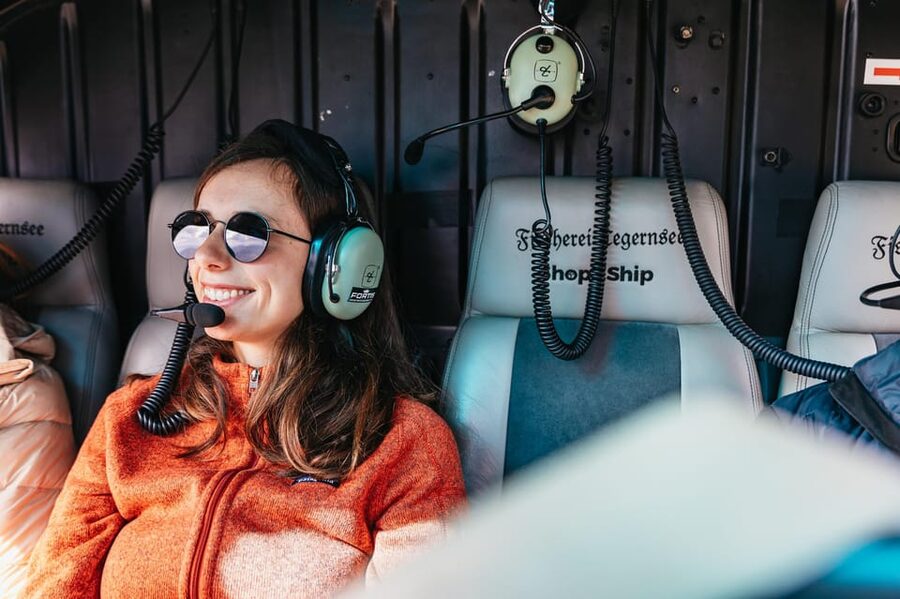
- Modern, small-group helicopter ride: limited to 6 people, in a 5- or 6-seater setup
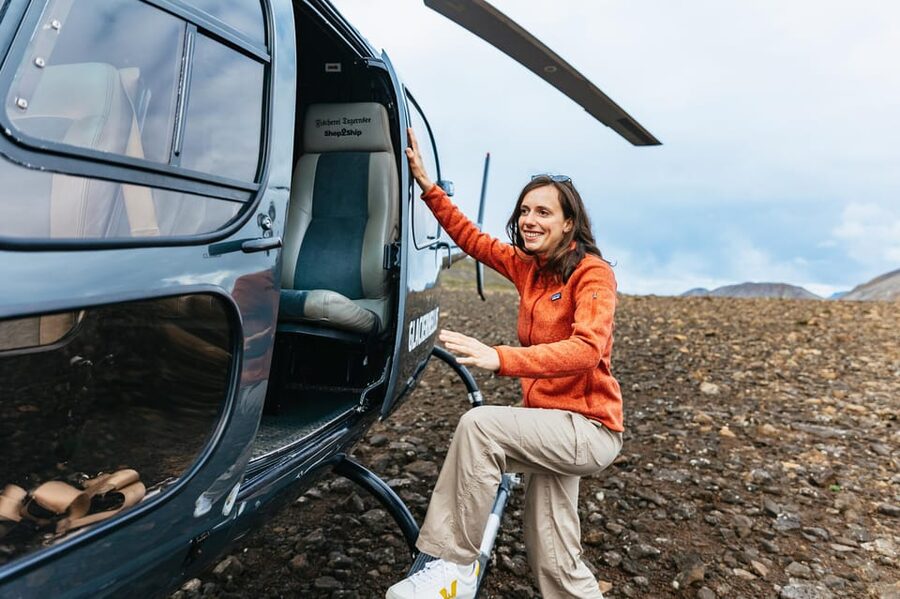
- Potential lava walking: some departures include a short landing and stepping out on lava near the eruption zone
- Big landmarks from above: Mount Esja and Faxafloi Bay are part of the aerial show
Ace FBO Reykjavik, and why the start matters more than you think
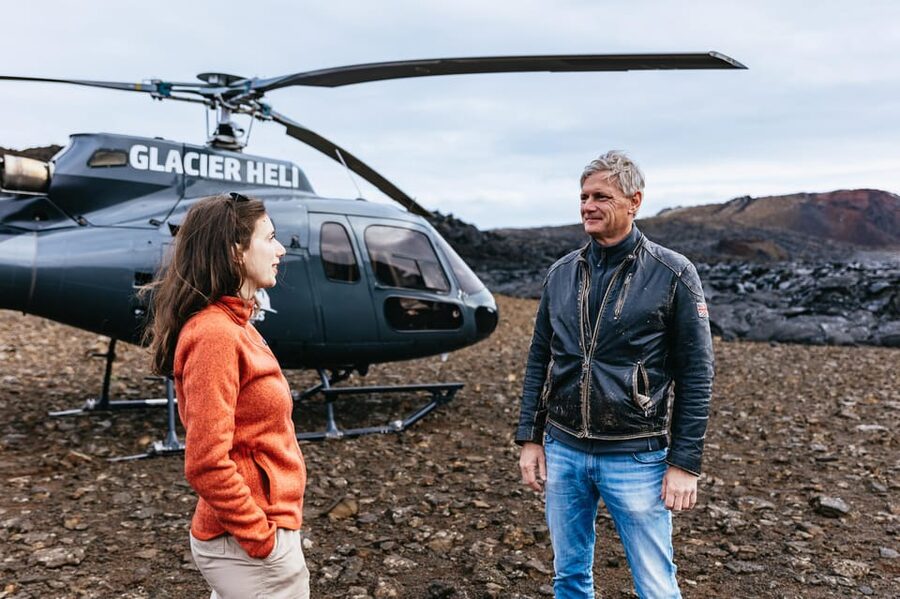
The tour starts at Ace FBO Reykjavik, located just behind Reykjavik Hotel Natura. The quick win here is logistics: you’re not scrambling across town with a big bus or a confusing maze of meeting points. You can also expect a straightforward check-in since the operation is built around getting small groups into the air efficiently.
Right before takeoff, you’ll get the kind of safety briefing that helps your brain switch from anticipation to calm. Many people are surprised by how smoothly the flight feels once you’re airborne, and that comes down to pilot experience plus a modern aircraft setup.
A practical note: this is not the kind of activity where you can dress like it’s a summer city walk. Even in Iceland’s capital area, you’ll want warm layers for time on the tarmac and cooler air up high.
Litli Hrutur Volcano, seeing a crater area up close
One of the first volcanic stops is Litli Hrutur Volcano, with a short sightseeing window. Even though the time above each spot is brief, this stop is valuable because it gives you a close-up look at how the ground changes when volcanoes switch on and off.
What makes this part of the tour click is perspective. From the air, you can read the terrain the way a geologist might: newer flows stand out, cracks and fissures trace activity, and you can often spot how lava routes down toward lower ground.
If your main goal is photos, this is one of the moments to focus hard. Short flight segments are where your pilot’s flying style matters most, and the better departures are the ones that give everyone a turn to see key features from their side of the helicopter.
More rotor hours over the rift:
- 1-Hour Helicopter Tour in Iceland: The Geothermal Tour★ 4.9 · 263 reviews
- Helicopter Tour with Mountain Summit Landing from Reykjavik★ 5.0 · 243 reviews
- Iceland Volcanic Eruption Area Helicopter Tour from Reykjavík★ 4.5 · 196 reviews
Geldingadalir Volcano, where the terrain starts telling a story
Next you’ll fly over Geldingadalir Volcano. This stop matters because it’s part of the same Reykjanes system, but it helps you compare different stages and styles of activity across the broader area.
Here’s what you should look for from the sky: variations in color and texture. Fresh lava and warmer-looking zones tend to read differently from older surfaces, and you may be able to trace channels where flows once traveled. Even when the volcano is quiet, the scars on the land are still visible from above.
This is also a good spot to remember a key reality check. The tour is designed for scenery and volcanic observation, but it is still weather-dependent, and eruptions can be present one day and not the next. The best mindset is flexible expectations: plan to learn and observe, not to demand one specific spectacle.
Fagradalsfjall Volcano, the main event for crater-and-lava spotting
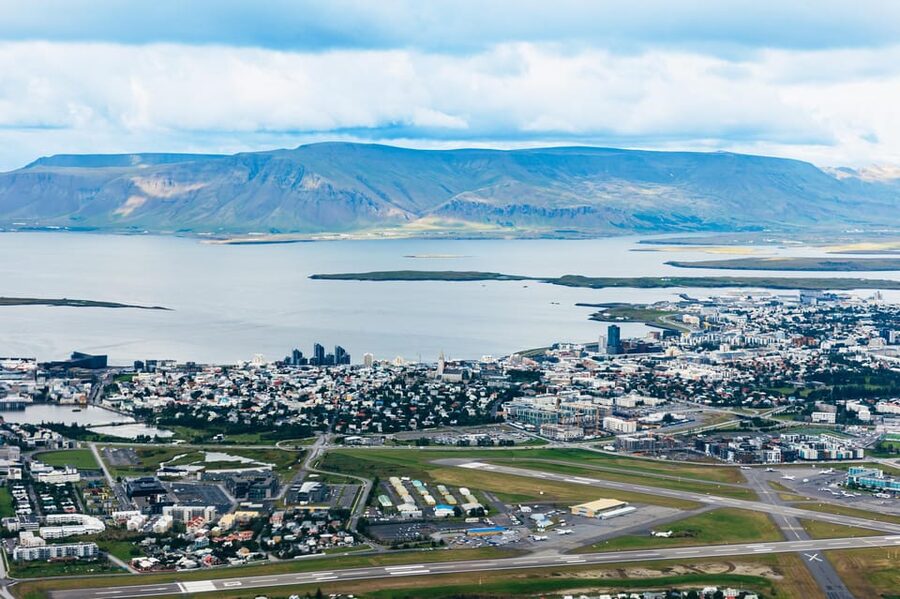
Fagradalsfjall Volcano gets the longest sightseeing time, about 10 minutes. This is where the flight usually feels most intense, because the views tend to combine crater features, lava-field texture, and dramatic scale, all in one sweep.
From above, craters and fissures are easier to interpret than from the ground. You can often see the shape of the volcanic area, how smoke or heat might be moving, and which lava paths appear to run toward lower terrain. If conditions are clear, you may even catch a shimmering effect near active spots, though there’s never a guarantee.
A bonus element is that pilots often fly in ways that help both sides of the helicopter. If you’re sitting where the view is blocked, you’re not necessarily stuck. More than one passenger report that the pilot made banking turns and loops so everyone had time to photograph and look, not just the front row.
Grindavik and the coast view that puts the eruption in context
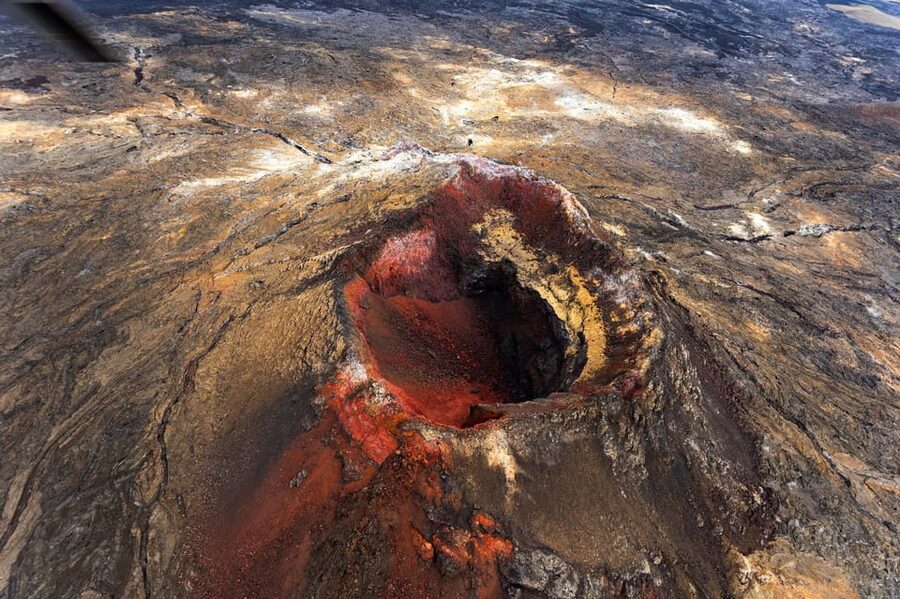
After the volcanic passes, the route includes Grindavik and a view window of about 10 minutes. This part is important because it connects the volcanic story to human geography, showing how close settlements are to active systems.
From the air, you also get a better sense of the layout of the area. Iceland’s volcanic zones are not far from the places people live, so when you see the ground altered by eruptions, it lands with more weight than a photo alone.
You may also catch views toward the coast and Faxafloi Bay, which adds a sense of scale. The ocean and coastline become your reference points, helping you estimate how far lava fields and fissures extend.
Also waiting on skies over Reykjavik

The return to Reykjavik: smooth flying, and why short flights can still feel huge
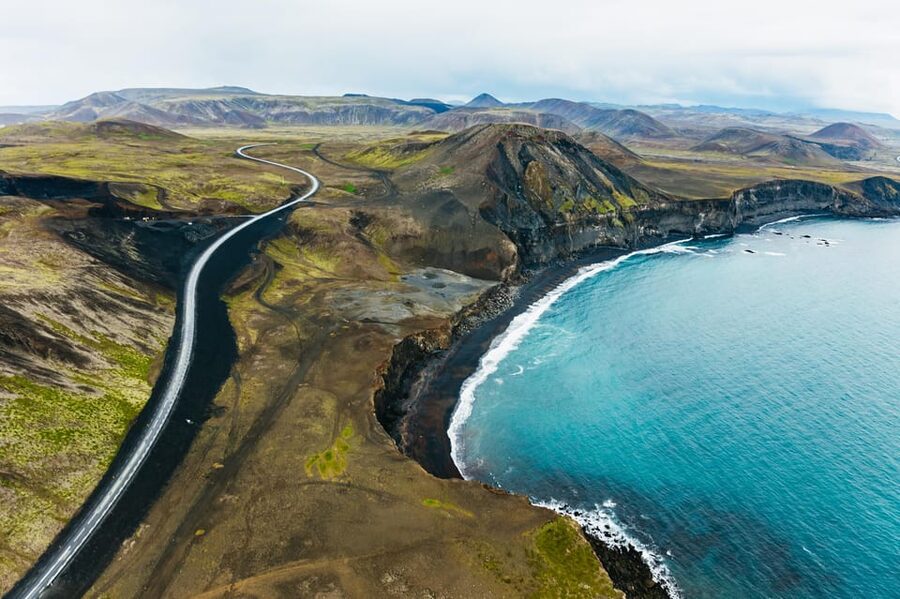
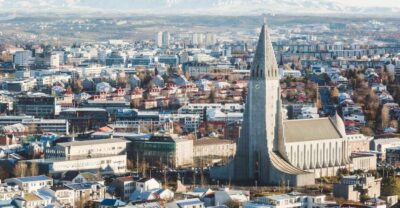
The flight finishes back at Ace FBO Reykjavik and includes a final Reykjavík sightseeing segment of about 5 minutes. Even that wrap-up time is useful because you can compare the city grid with the raw terrain beyond it, which is a nice reset if you’ve been staring at volcanic texture for most of the ride.
People often say the helicopter portion goes fast, and that tracks. Still, 40 minutes in Iceland’s airspace gives you a lot of variety: multiple volcanic areas, coastlines, and a few of the best-recognized views near the capital.
The most common praise is about how calm and professional pilots feel, and how they manage sightlines for different passengers. Some flights even include a short landing so passengers can step out and walk on lava for a few minutes. That kind of add-on is the difference between watching volcanoes from above and feeling like you’re standing near a real, current process of the Earth.
Photo strategy for craters, lava fields, and Mount Esja
If you’re bringing a phone, plan for cold hands. If you’re using a camera, check your strap and battery before you arrive. In a helicopter, you’re not trying to win a studio award, but you can still get great shots if you’re ready when the pilot lines up the view.
Here’s what tends to work best:
- Focus on crater edges and fissure lines first, because they show structure
- Aim to capture a few wider shots that include coastline or Mount Esja, since landmarks help your brain process scale
- Expect to shoot in bursts as the helicopter banks and loops, since some of the best angles come quickly
For seat choice, when options exist, I’d choose for the best sightlines to the main volcanic feature. Even then, don’t worry too much about your exact seat, because pilots are known for loops that give multiple sides a chance to see.
Weather and safety: what you can control, and what you cannot
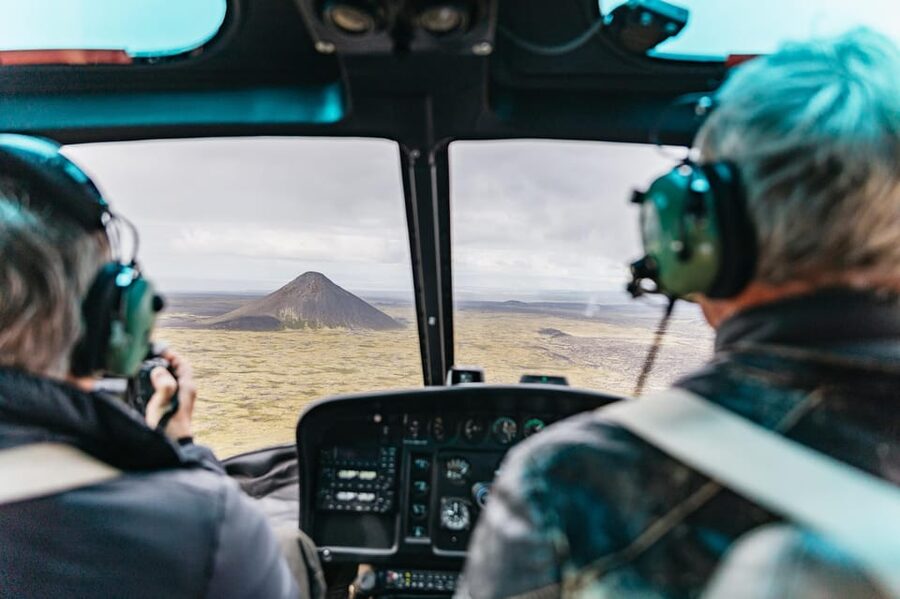
This is a weather-driven flight. Visibility, cloud cover, and safety rules can change the plan, and flights must follow Iceland’s Department of Civil Protection and Emergency Management regulations.
What you should know upfront is simple: there is no guarantee you’ll see active lava during your visit. If eruptions are quiet or weather hides the view, you’ll still be flying over volcanic terrain, but the “simmering crater” moments depend on conditions that day.
The good news is that the operation is built around safety-first decisions and flexibility. Many people have had reschedules due to weather or low visibility, and the experience stays the same at its core: modern helicopter flight, clear communication, and a pilot who prioritizes seeing the key points within whatever conditions allow.
Price and value: does 577 USD make sense for 40 minutes?
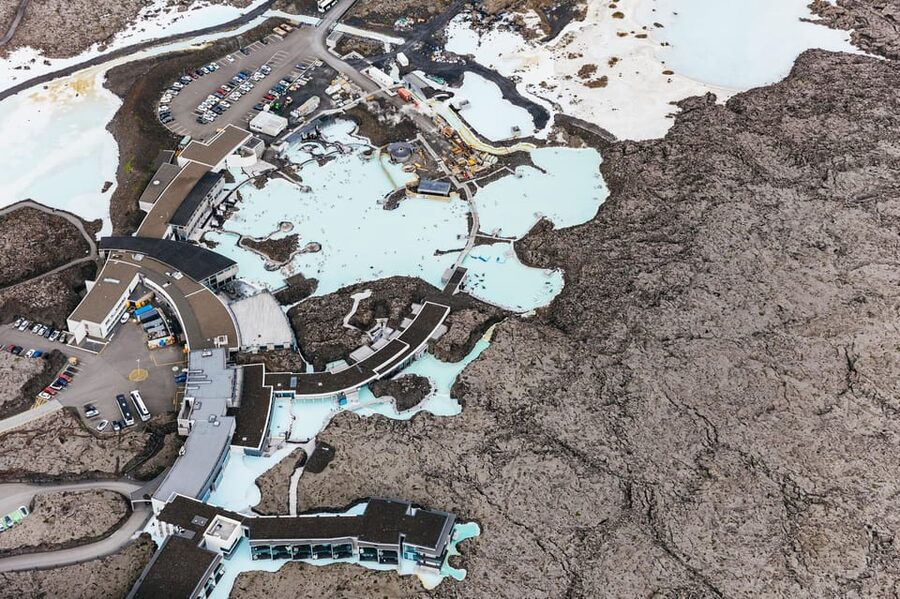
At $577 per person for about 40 minutes, this tour is not cheap. The right way to judge value is not cost per minute of flight time, it’s cost per access.
Ground routes can be blocked by safety zones near active volcanic areas. Even when you can drive, you don’t always get close enough to understand crater shapes, fissure patterns, and flow directions. Here, you’re buying time and access from the air, plus the chance to see multiple eruption areas in one outing.
That said, one review theme is that it can feel short for the money. My take: if you’re the type who wants a longer day with lots of stops on land, this might not satisfy you on its own. But if you want a concentrated, high-impact volcanic experience from the capital area, the price starts to feel more reasonable because you avoid a full day of chasing conditions on the ground.
Who should book this helicopter tour, and who should think twice
This tour is a strong fit if you:
- Want volcano views near Reykjavik without committing to a long drive
- Love photography and want crater and lava-field angles you cannot easily reach on foot
- Appreciate a small group experience, since the helicopter holds up to 6 people
- Want a first-time helicopter experience with calm, professional flying reported by many passengers
It might not be your best choice if:
- You only want your money tied to one specific outcome, like seeing roaring lava on command
- You’re sensitive to cold or noise and haven’t planned warm layers and ear protection habits (you might find some noise is simply part of the experience)
- You prefer long, leisurely touring days rather than a tight 40-minute aerial hit
Also, there’s a weight consideration: if you’re over 120 kgs, you’ll have to book an additional seat.
Should you book GlacierHeli’s Reykjavik volcanic helicopter tour?
If you can afford it, I think it’s an easy yes for the right traveler. This is one of the few ways to see the Reykjanes Peninsula’s newer volcanic activity from close range, while also grabbing aerial landmarks like Mount Esja and Faxafloi Bay.
I’d book sooner rather than later, because weather can force changes. And I’d go in with flexible expectations about visible lava. When conditions line up, you get crater-and-lava views that feel unreal. When they don’t, you still come away with a clear understanding of how volcanic Iceland really looks from above.
FAQ
How long is the helicopter tour?
The total duration is about 40 minutes, with sightseeing segments along the route.
Where do I meet for the tour?
You meet at Ace FBO Reykjavík, located just behind Reykjavik Hotel Natura. The provider operates from the ACE FBO building.
Is there a guide on board?
Yes. There is a live English tour guide, and an English audio guide is also included.
What is included in the price?
The price includes the helicopter tour and the pilot.
Is food or drinks included?
No. Food and drinks are not included.
Will I definitely see lava during the flight?
No. Eruptions may or may not be active during your visit, so there is no guarantee of visible lava. Flights are also weather-dependent and follow safety rules.
Fresh on the forecast for Reykjavik
- Iceland Game of Thrones Tours
★ 5.0 · 7 reviews - Reykjavik: Golden Circle Tour & Laugarás Lagoon Entry
★ 4.7 · 7 reviews - Reykjavik Private 4-Hour Tour with Transfer
★ 5.0 · 7 reviews - Thórsmörk, Valley of Thór | Private Tour | PRO Photos Included
★ 5.0 · 7 reviews - Reykjavik: Private Golden Circle and South Coast Tour
★ 5.0 · 7 reviews - Reykjavik: Small-Group Northern Lights Tour with Pickup
★ 5.0 · 7 reviews - Reykjavik: Golden Circle Super Jeep Tour with Snowmobiling
★ 4.9 · 7 reviews
Helicopter Tours, compared.
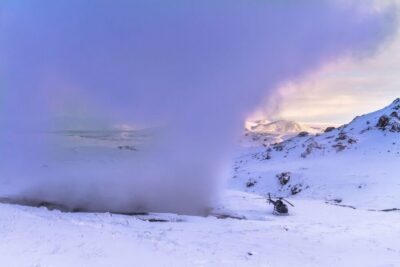
1-Hour Helicopter Tour in Iceland: The Geothermal Tour
Read our review →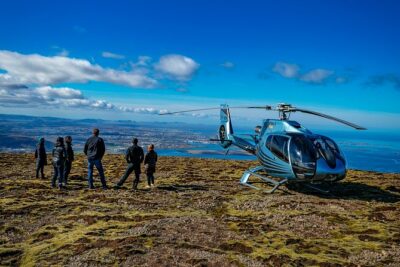
Helicopter Tour with Mountain Summit Landing from Reykjavik
Read our review →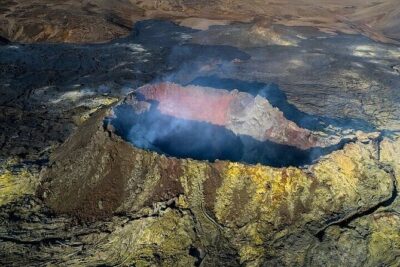
Iceland Volcanic Eruption Area Helicopter Tour from Reykjavík
Read our review →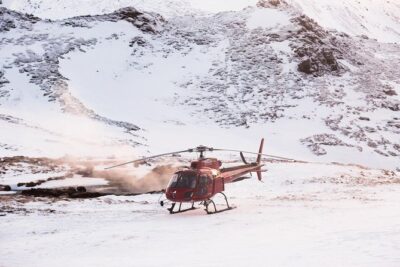
Helicopter Flight Over Geothermal Landscapes from Reykjavik
Read our review →
Panoramic Helicopter Flight with Summit Landing
Read our review →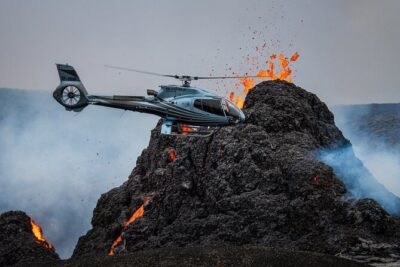
Helicopter Tour Over Iceland’s Reykjanes Volcano Eruption Site
Read our review →
Fire and Ice Helicopter Tour: Glacier and Hengill Geothermal Area
Read our review →Browse the lists this tour appears in