
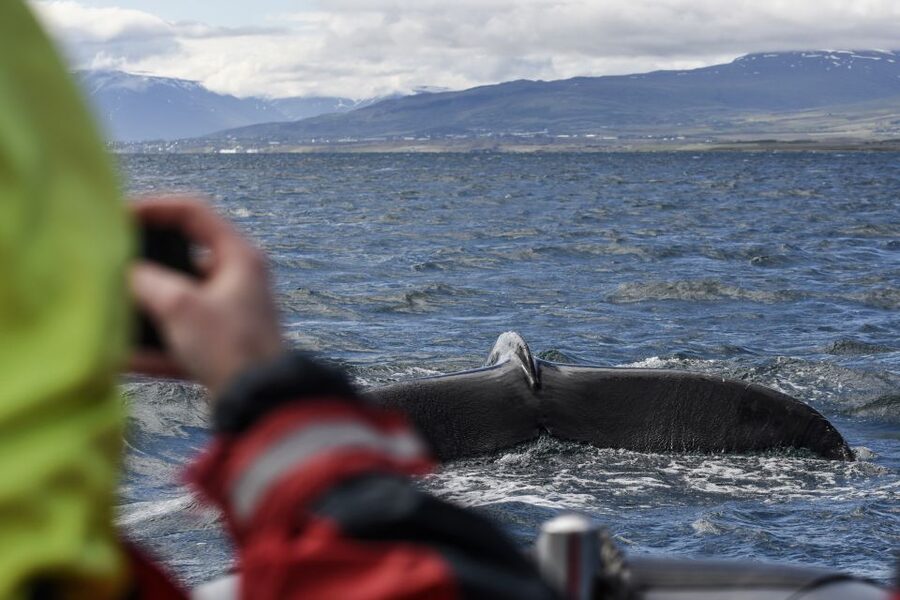
REVIEW · WHALE & ORCA WATCHING
Akureyri: 2-Hour Whale Watching Express by RIB Speedboat
RIB speed makes whales feel close. I love how the small 12-passenger RIB boats can chase whales quickly across the Eyjafjord, and I also love the hands-on wildlife learning from the guide, with humpback and minke sightings often within easy reach. The one downside to plan around is that Iceland weather can change fast, and the captain can cancel for safety.
From the Oddeyrarbót 2 floating pier near Hof in Akureyri, you suit up like a pro with provided overalls, neoprene gloves, goggles, and a life vest. You’ll want sturdy shoes and warm layers too, because you will get wet at some point, and the ride can feel physically intense when the water turns rough.
In This Review
- Key highlights at a glance
- Oddeyrarbót 2, RIB Speedboat Energy, and the Eyjafjord Setting
- Getting Ready: Overalls, Gloves, Goggles, and What You Bring Yourself
- The 2-Hour Plan: What Happens From Launch to Dock
- RIB Speed vs. Big Boats: Why You Get More Whale Time
- Eyjafjord Wildlife: Humpback and Minke Whale Viewing That Feels Personal
- Birds, Dolphins, and the Stuff You Notice After the First Whale
- What to Do If You Get Wet, Cold, or Motion-Sick
- Guide Quality Is Part of the Ticket Value
- Price and Value: Is $200 Worth a 2-Hour RIB Express?
- Who Should Book This Akureyri Whale Watching Express?
- Should You Book This 2-Hour RIB Whale Watching Tour?
- FAQ
- Where is the meeting point for the Akureyri whale watching tour?
- How long is the whale watching tour?
- What is included in the tour price?
- Is pickup service included?
- Is there food or toilets on board?
- Are drones allowed during the tour?
- What shoes should I wear?
- What are the age requirements for this tour?
Key highlights at a glance
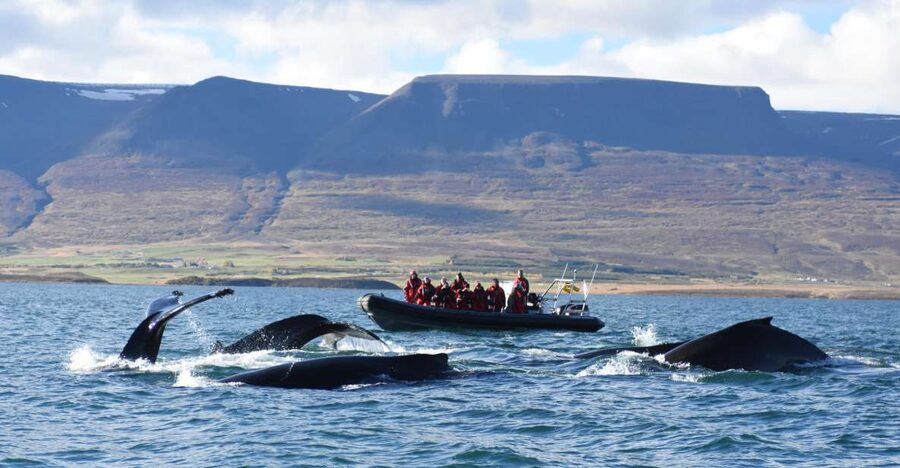
- RIB speed across Eyjafjord so you can cover more water than larger boats
- Up-close whale viewing with a smaller group and typically a respectful approach
- Warm, practical gear included (overalls, gloves, goggles, life vest)
- Wildlife focus in English with real behavior talk from guides like Yoann, Mack, and Gisella
- Big action moments such as fluke sightings, tail slaps, and even breaches when you’re lucky
- Small extras on the route like a brief waterfall stop during the return on some outings
Oddeyrarbót 2, RIB Speedboat Energy, and the Eyjafjord Setting
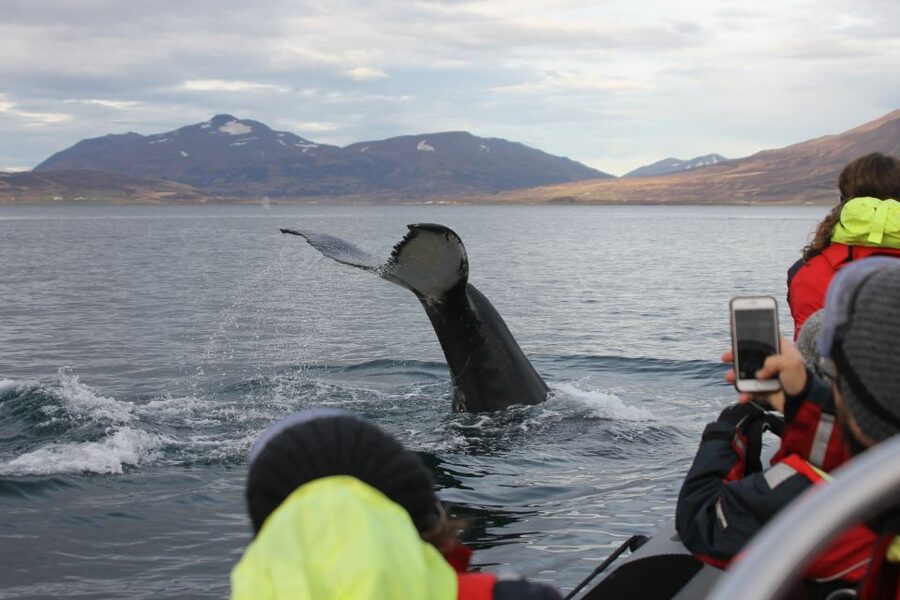
Akureyri is one of the best bases in Iceland for northern sea wildlife, and this tour leans into that with a simple plan: get out fast, scan hard, and spend your time where the animals actually are. The Eyjafjord scenery does the rest, with glacier-carved shapes and snow-capped mountains framing the water like a natural stage.
What makes this experience feel different is the vehicle. This is not a big, lumbering whale ship that sits in one spot while you hope something swims by. Instead, you ride small, fast RIB speedboats, so the crew can adjust course quickly when whales show themselves or move away.
Two things I really like about that setup: you’re more likely to find active whales, and your whole group stays more connected to what’s happening on the water. The tradeoff is that the ride can be a bit bouncy, and you should treat it as an adventure, not a relaxed cruise.
Getting Ready: Overalls, Gloves, Goggles, and What You Bring Yourself
Check-in is at the floating pier Oddeyrarbót 2, next to the cultural centre Hof. Arrive at least 30 minutes early so you have time to get organized without rushing, especially when cold wind is in the mix.
Then comes the part that makes whale watching in north Iceland actually doable: the tour provides the key cold-water gear. You get overalls, neoprene gloves, goggles, and a life vest, plus safety equipment. I love this because it removes the guesswork. You don’t need to be an expert in Iceland cold-weather layering, just show up warm and ready.
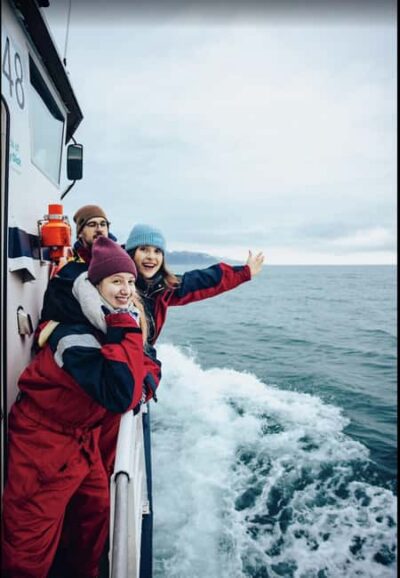
Still, bring what helps you personally. Sturdy shoes are recommended, and open-toed shoes are not allowed. If you have warm headgear, gloves, or extra layers, use them. Even with provided overalls, the wind chill at sea is real, and you might start dry and end up damp depending on how the boat hits the waves.
A practical note: there’s no lounging on board. The seat style is more of a saddle seat, and multiple people describe feeling sore on the way back. If you have back issues or mobility limits, take that seriously.
More Whale Watching in North Iceland
- Akureyri: 3-Hour Classic Whale Watching Tour by Ship★ 4.6 · 3,000 reviews
- Whale Watching from Downtown Akureyri★ 4.5 · 971 reviews
- Big Whales & Puffins RIB boat tour from Húsavík★ 5.0 · 501 reviews
The 2-Hour Plan: What Happens From Launch to Dock
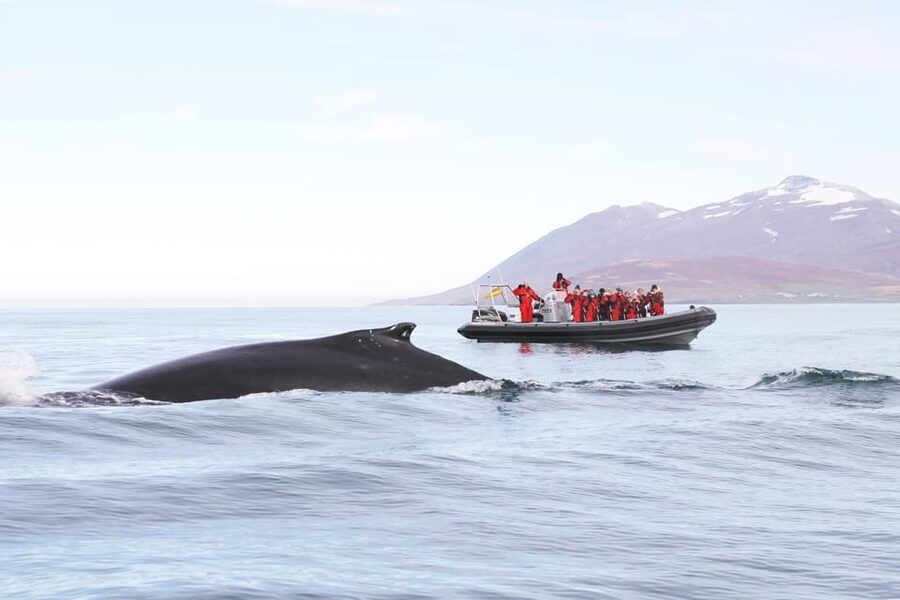
This is a true 2-hour express format, so the rhythm matters. You meet at the floating pier, gear up, do safety instructions, then you’re off searching the Eyjafjord for whales, dolphins, and bird life.
The tour’s whole logic is speed and flexibility. RIB boats are quick to reach sightings, and they can also shift areas when the animals move. In a short window like this, that matters more than people expect, because whales do not hold still for your schedule.
As you go, your guide stays focused on wildlife behavior and what you’re seeing. Guides you might meet include Yoann, Mack, Agnes, Gisella, Jacob, Lindsey, Sergi, and Chayenne, and the common thread is that they’re tuned in to whale activity, not just repeating facts. The best moments usually come when the guide helps you spot what to watch for next: surfaces, fluke-up timing, feeding patterns, and signs of movement under the water.
On the way back, many departures include a short stop or close look at a geothermal or hot waterfall near Akureyri, depending on the route and conditions. It’s not the main event, but it’s a nice change of pace after all that open-water scanning.
RIB Speed vs. Big Boats: Why You Get More Whale Time
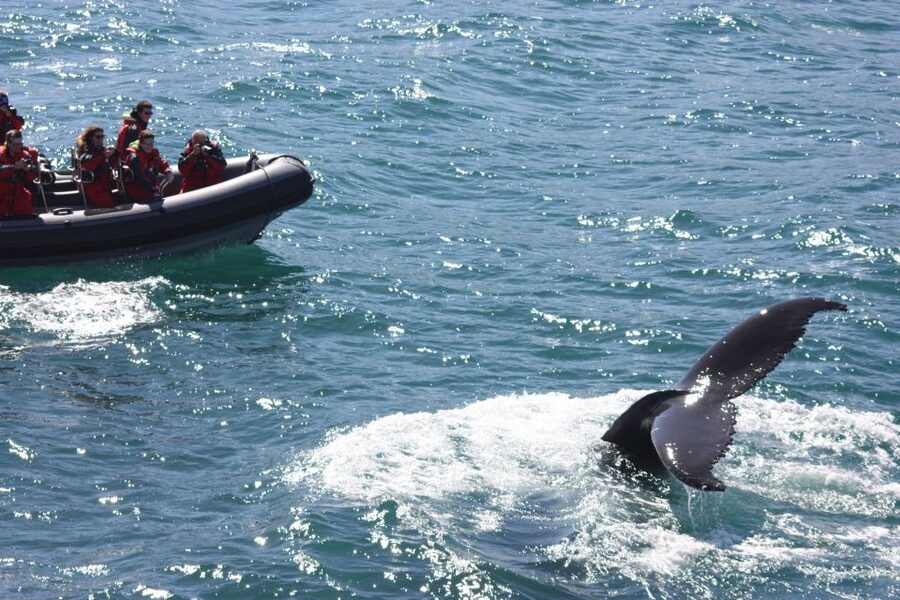
The biggest “value” behind this tour is the way it uses motion. Larger whale-watching boats tend to be slower to reposition, which means they often spend more time waiting. This RIB setup flips that, so the crew can cover more area and chase the best chances.
That is why you’ll hear (and feel) the tour described as exhilarating. You’re zipping across open water, tracking surfaces, then closing the distance when whales appear. People also like that the group is small, typically only 12 passengers, so the guide’s attention is easier to manage and everyone gets a clear view more often.
Just keep one thing in mind: closeness does not mean reckless behavior. The goal is for whales to feel like whales, not like obstacles. Many guides work hard to keep a respectful distance, and in practice that often leads to better animal behavior, because the whales come toward you on their terms instead of forcing everything to stop.
If you’re sensitive to motion or cold, prepare for the ride honestly. This is not a tour that politely stays smooth. When water is rough, the ride can feel intense, and you may need to hold your posture as the boat changes direction.
Eyjafjord Wildlife: Humpback and Minke Whale Viewing That Feels Personal
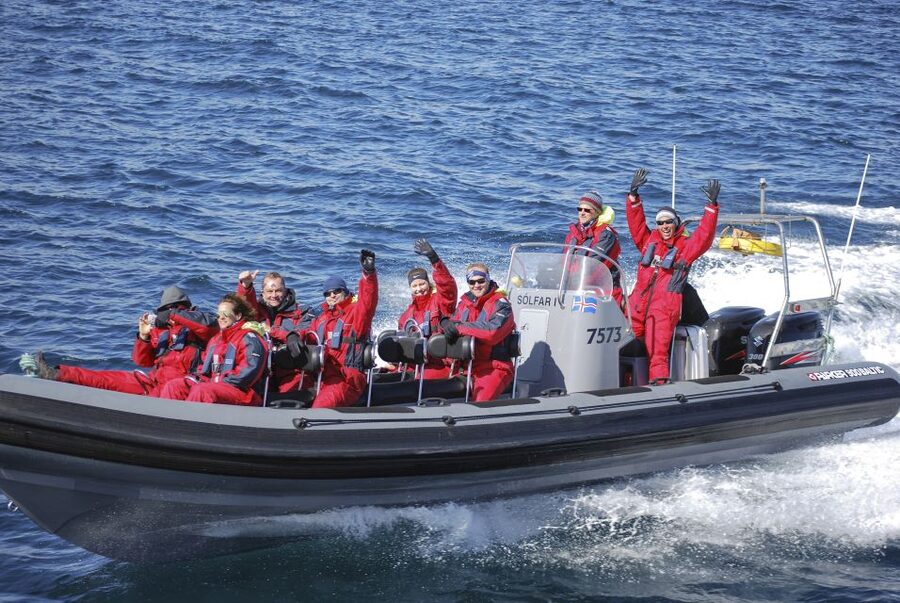
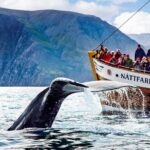
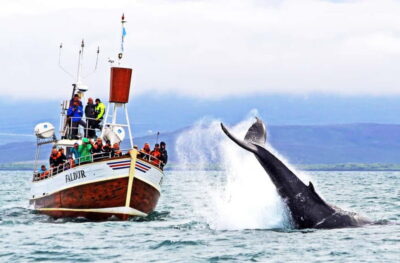
Humpback whales are the headline in the Eyjafjord, and they’re the reason most people book. You’re looking for fluke-ups, surfacing sequences, tail movements, and sometimes spectacular action like breaches. When you get lucky, it feels like the animals are staging moments right in front of you.
Minke whales are also part of the mix. They can be harder to spot because of timing and surfacing behavior, so the guide’s scanning skills and the RIB’s ability to reposition quickly can make a noticeable difference. In many outings, people report multiple sightings across the 2 hours rather than one brief moment.
What I like most about the whale watching here is that the guide helps you read the water. It’s not just spotting a whale and moving on. You learn why certain surfaces matter, what the whales might be doing in that moment, and how the crew tracks them as they move through the fjord.
And yes, some outings are full of action: multiple fluke sightings, tail slaps, or even long stretches where one whale keeps showing behavior. Those are the moments you remember, but the tour also delivers on the learning side, which is what turns a sighting into understanding.
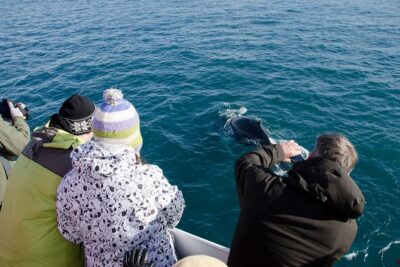
More blows spotted from the rail:
Birds, Dolphins, and the Stuff You Notice After the First Whale
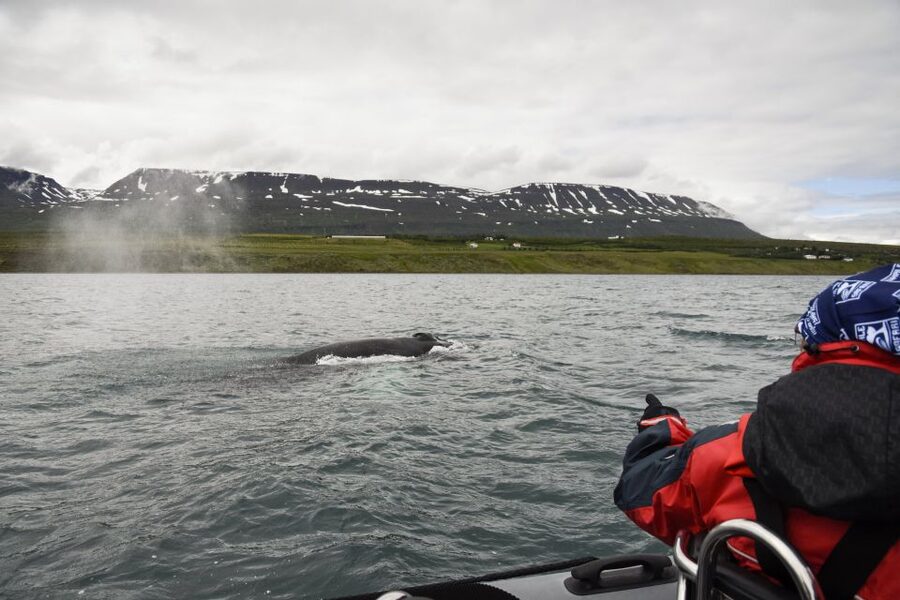
Even if humpbacks are the star, don’t tune out after the first big sighting. This tour also looks for birds and other marine life, and it’s common to hear reports of dolphins or harbor porpoises during the ride.
Bird life matters in whale watching because it can hint at feeding activity. When you see seabirds working the water, it often lines up with what whales are doing beneath the surface. The guide can connect those dots in plain language, which makes the whole outing feel like one continuous story instead of separate moments.
A good mental approach: treat your scanning as a loop. Watch the water for surfaces, then watch the sky for birds, and then listen for the guide to say which direction and why. That rhythm makes the ride more rewarding, especially in wind or choppy conditions where it’s easy to miss small movements.
What to Do If You Get Wet, Cold, or Motion-Sick
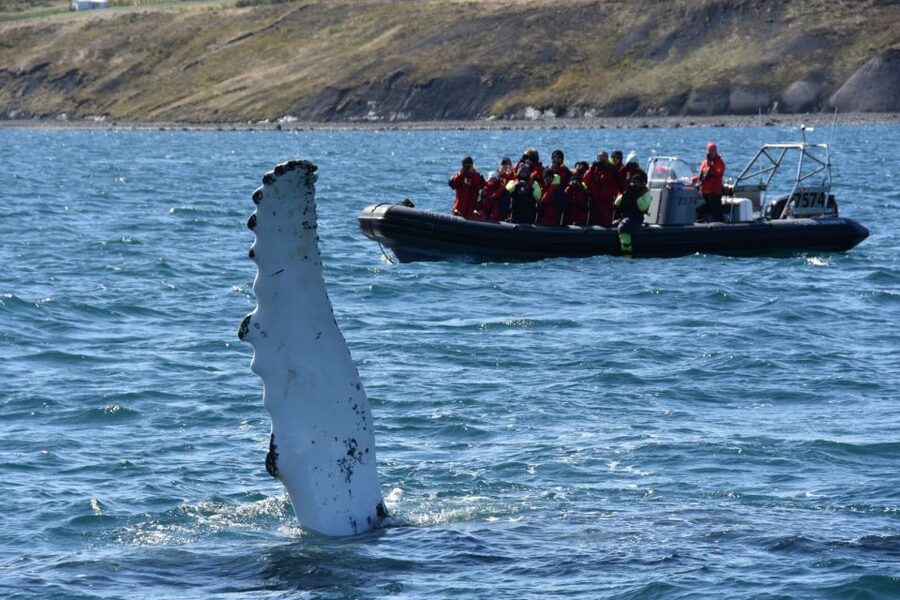
You should assume you will get wet. Even with gear, the sea can spray, and on a RIB in open water, wind chill adds up quickly. The provided overalls and gloves help a lot, and many people say they stay warm enough thanks to the suit system.
Still, come prepared. Wear layers under the overalls if you tend to get cold. Sunglasses or goggles are helpful, and goggles are provided, so you just need to keep them ready. If your eyes water in cold wind, take that seriously and protect your vision early.
Motion sensitivity is the other wildcard. People mention soreness after the ride, and rough water can make the boat feel more intense. If you know you react poorly to bumpy speeds, consider whether you really want an active RIB experience, not a gentler boat.
Guide Quality Is Part of the Ticket Value
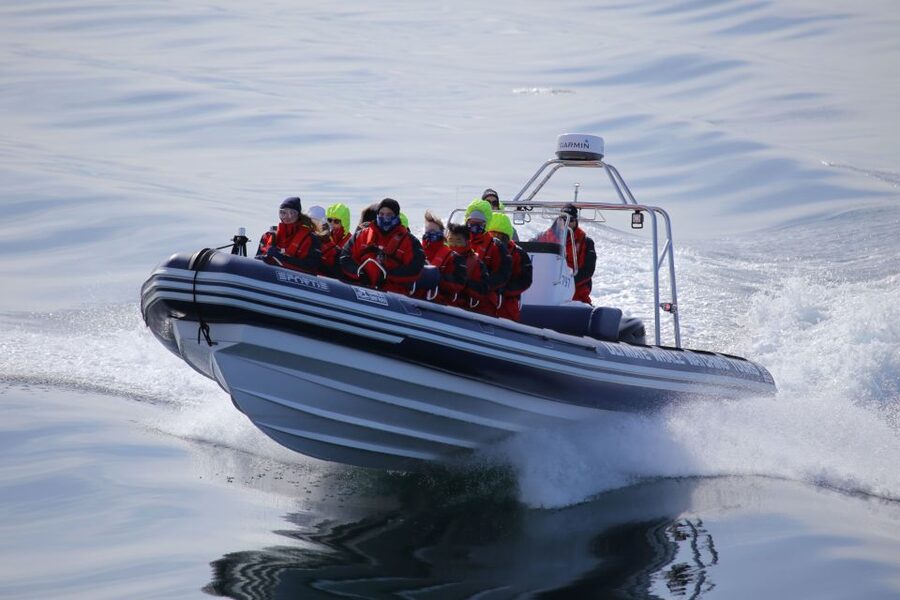
This is one of those tours where the guide is not a side character. The best outings share a pattern: the guide calls out what you’re seeing, explains whale behavior, and keeps the group focused when sightings are brief.
The names you might run into across different departures include Yoann, Mack, Gisella, Jacob, Lindsey, Sergi, Agnes, Victor, and Chayenne. You’ll notice the consistent style: safety is clear, and the wildlife talk is tied to the exact moment on the water.
I also like that the crew is practical. One person noted help dressing and getting on board, which matters when you’re dealing with cold weather gear and getting seated quickly. If you arrive feeling a bit awkward about the suit process, you’re not alone. The team expects that.
Price and Value: Is $200 Worth a 2-Hour RIB Express?
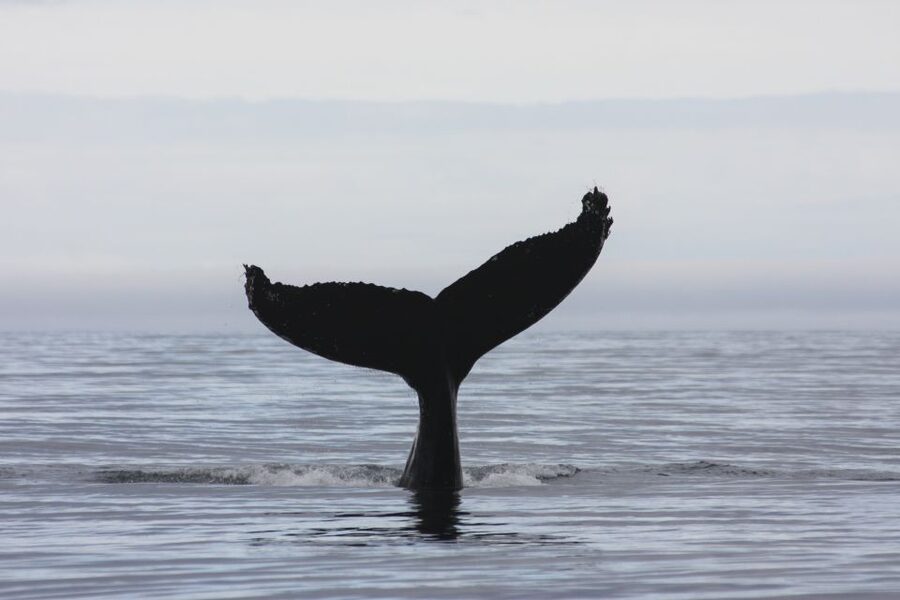
At $200 per person, this is not a budget activity. But it can still feel like good value for the specific kind of experience you’re buying.
Here’s what you’re paying for, in plain terms:
- A small group (about 12 passengers)
- A RIB boat that can reposition quickly, covering more water in less time
- Included safety gear and cold-water clothing essentials like overalls, gloves, and goggles
- An English-speaking guide who interprets wildlife behavior while you’re actively searching
If you compare the cost to big-boat whale watching, the difference is that this tour spends energy where whales are likely to be, instead of waiting on a fixed route. That increases your odds of meaningful sightings within the short 2-hour window.
Also, the “value” is not only whales. People repeatedly mention the exhilaration of the ride and the feeling of closeness compared to larger boats. For many, that combination makes the price feel like it matched the memory.
The balanced view: whales are animals, so sightings are never guaranteed. On a calm day with active whales, this tour can feel like a standout bargain. On a day when whales are quieter or shy, you still get a great RIB experience, but you should be realistic about not every trip turning into a whale-action show.
Who Should Book This Akureyri Whale Watching Express?
This tour fits best if you want an active wildlife experience, not a passive cruise.
You’ll probably love it if:
- You enjoy fast, bouncy boat rides and can handle cold wind at sea
- You want a closer feel with a small group
- You like learning about animal behavior, especially humpbacks and minke whales
- You want a short tour that still covers a decent area
You should think twice if:
- You have back problems, mobility impairments, or you need a more gentle ride
- You’re pregnant, since the tour is not suitable for pregnant women
- You’re traveling with kids under 10 years or under 145 cm, because there’s a minimum age and height requirement
If you’re unsure, focus on the ride style. This is the core feature. If the idea of a quick, wet, cold, RIB chase sounds fun, you’re in the right place.
Should You Book This 2-Hour RIB Whale Watching Tour?
Yes, you should book this if your main goal is a high-chance, close-up whale watching experience from Akureyri in a tight time window. The combination of small group size, fast RIB transportation, and provided cold-water gear is exactly what makes this work well in the Eyjafjord.
Also book it if you want more than a postcard. You’re getting real behavior explanations in English from guides like Yoann, Mack, and Gisella, and you’re set up to watch for surfaces, movement, and signs of feeding.
Just be smart about the planning side. Weather can lead to short-notice cancellation for safety, and rough water can make the ride more intense than a calm harbor cruise. If you’re flexible and ready for real sea conditions, this one is a strong choice.
FAQ
Where is the meeting point for the Akureyri whale watching tour?
Meet at the floating pier Oddeyrarbót 2, next to the cultural centre Hof in Akureyri.
How long is the whale watching tour?
The tour lasts 2 hours.
What is included in the tour price?
Included: guide, overalls, neoprene gloves, goggles, and a life vest plus necessary safety equipment.
Is pickup service included?
No, pickup service is not included.
Is there food or toilets on board?
No, there are no toilets on board, and food is not included.
Are drones allowed during the tour?
No, drones are not allowed.
What shoes should I wear?
Open-toed shoes are not allowed. Sturdy shoes are recommended.
What are the age requirements for this tour?
The minimum age is 10 years or 145 cm. It is not suitable for children under 10 years or under 145 cm.
Fresh on the forecast for Akureyri
- East Glacial River Extreme Rafting
★ 4.1 · 7 reviews - Lake Myvatn Private Day Tour Mývatn, Godafoss Waterfall for Cruise Ships
★ 5.0 · 8 reviews - Boat Tours from Siglufjörður
★ 5.0 · 8 reviews - Express Whale Watching in Dalvik
★ 5.0 · 8 reviews - Lake Myvatn and Godafoss Waterfall for Cruise Ships from Husavik
★ 4.5 · 8 reviews - Goðafoss and Akureyri Botanic Garden Shared Shore Excursion
★ 4.5 · 8 reviews - West Glacial River Family Rafting
★ 5.0 · 9 reviews
Whale & Orca Watching, compared.
Whale Watching Cruise on the Amelia Rose Yacht
Read our review →
The Original Classic Whale Watching from Reykjavik
Read our review →
Whale Watching – Family Run with Indoor Seats
Read our review →Browse the lists this tour appears in